



Pabrik bola are essential for grinding materials in industries like mining, cement, ceramics, and recycling. It’s widely used in cement, silicate products, new construction materials, refractory materials, fertilizers, ferrous and nonferrous metal beneficiation, and glass ceramics and other production industries, available in dry or wet grinding.
Small ball mills (typically 0.65–5 t/h output) offer a cost-effective entry point for startups and small-scale operations. Purchasing a small ball mill requires balancing budget constraints with performance requirements. Prices can range from a few thousand dollars for laboratory units to over $100,000 for high-capacity industrial models—but several factors dramatically impact the final cost.
This ultimate 2026 buyer’s guide breaks down:
- Current small ball mill price ranges (lab, industrial, custom)
- Key factors affecting pricing (capacity, motor power, automation, materials)
- Hidden costs most buyers overlook (installation, power, maintenance)
- Supplier comparisons (China vs. USA vs. Europe, direct vs. dealer)
- Real-world case studies & ROI calculations
Quick Small Ball Mill Price Guide (2026 Estimates)
| Jenis | Kapasitas | Price Range | Best For |
| Laboratory Ball Mill | 1–5 kg batches | $2,000 – $20,000 | Research, universities |
| Mini Industrial Mill | 0.2–1 t/h | $15,000 – $50,000 | Ceramics, small mining |
| Small Production Mill | 1–5 t/h | $50,000 – $120,000 | Gold ore, cement, recycling |
| Customized Mill | Varies | $80,000+ | Special materials, high automation |
Hubungi kami for the ball mill quotation checklist to compare suppliers fairly.
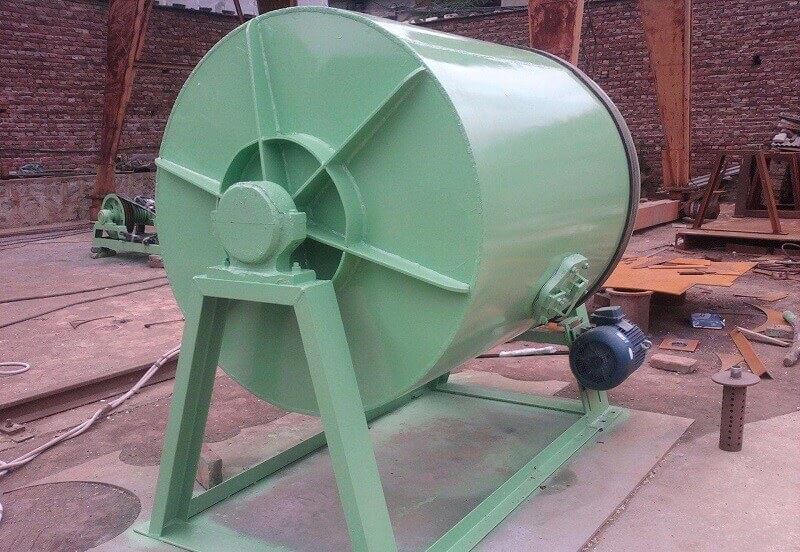
What Is a Small Ball Mill?
Definition & Working Principle
A ball mill grinds material into fine powder using rotating drums filled with grinding media (steel or ceramic balls). Key components:
- Drum: Holds material and grinding balls
- Motor: Powers rotation (typically 1–50 kW for small mills)
- Liner: Protects the drum from wear (steel, rubber, or ceramic)
- Discharge system: Controls output fineness
Example: A φ900×1800 model (small industrial size) has a 0.65 t/h capacity and consumes ~7.5 kW of power.
Common Applications
- Pertambangan: Gold, copper, lithium ore processing
- Ceramics: Glaze and clay refinement
- Battery materials: Lithium cathode/anode grinding
- Daur ulang: Electronic waste, metal recovery
- Labs: Pharmaceutical, material science R&D
What Size Is “Small”?
Small ball mills are typically classified by:
| Kategori | Diameter Drum | Daya Motor | Throughput |
| Lab Mill | <0.5 m | 0.5–5 kW | <50 kg/h |
| Mini Industrial | 0.5–1.2 m | 5–30 kW | 0.2–2 t/h |
| Small Production | 1.2–1.8 m | 30–100 kW | 2–5 t/h |
Small Ball Mill Parameter
Mengambil ball mill kecil 1 t/jam sebagai contoh, ada dua model Ф900 × 1800 dan Ф900 × 3000. Parameter spesifiknya adalah sebagai berikut:
Ф900 × 1800Kecepatan laras 36-38 r/min, kapasitas pemuatan bola 1,5t, ukuran umpan ≤20mm, ukuran keluaran: 0,075-0,89 (200 mesh), keluaran 0,65-2 t/jam, daya motor 18,5kw, berat total 5,85t.
Ф900 × 3000Kecepatan putar 2,7 silinder 36 r/min, beban bola 2t, perincian pengumpanan ≤20mm, perincian pemakaian: 0,075-0,89 (200 mesh), output 1,1-3,5 t/jam, daya motor 22kw, berat total 6,98 t.
Lebih banyak jenis dan spesifikasi ball mill.
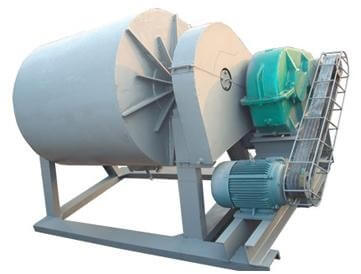
Many users will start with small devices when they enter a new field. Because they need to know the industry and market first, small devices have low output and low prices, and the payback time is fast and suitable for initial investment.
Small Ball Mill Prices in 2026 (By Capacity, Type & Origin)
1. Average Price Ranges
- Lab ball mills:$2k–$20k (bench-top to pilot-scale)
- Industrial small mills:$15k–$120k (0.2–5 t/h)
- Custom/specialty mills:$80k+ (corrosion-resistant, high automation)
2. Price by Capacity
| Kapasitas | Daya Motor | Price Range (New) | Typical Use |
| 0.2 t/h | 7,5 kW | $15,000 – $30,000 | Ceramics, pigments |
| 0.5 t/h | 15 kW | $30,000 – $50,000 | Small mining ops |
| 1 t/h | 22 kW | $45,000 – $75,000 | Cement, lab scaling |
| 3 t/h | 55 kW | $80,000 – $120,000 | Gold ore processing |
3. Price by Country of Manufacture
| Negara | Price (Compared to China) | Pros | Cons |
| Cina | $-$$ (Lowest upfront cost) | Low price, fast production | Varying quality, long-term support risks |
| USA/Europe | $$$ (30–50% more) | High reliability, strong warranties | Longer lead times, expensive spare parts |
| India | $-$$ (10–20% cheaper than China) | Lower labor costs | Limited certifications, fewer automation options |
💡 Tip: Chinese mills dominate the under-$50k market, while European brands lead in high-efficiency, automated designs.
4. New vs. Used Small Ball Mills
| Factor | New Mill | Used Mill |
| Biaya | Higher ($15k–$120k) | 30–50% cheaper |
| Lifespan | 10+ years | 3–7 years (varies) |
| Garansi | Full coverage | Usually none |
| Risk | Rendah | High (hidden wear) |
Inspection Checklist for Used Mills:
- Check liner wear & drum alignment
- Test motor & gearbox under load
- Verify bearing condition
- Review maintenance logs
10 Key Factors That Affect Small Ball Mill Pricing
- Kapasitas– Larger throughput = higher price (exponential cost increase past 3 t/h).
- Jenis– Wet grinding mills cost ~15% more than dry mills (sealing, corrosion resistance).
- Liner Material– Rubber liners ($) vs. ceramic ($$$) affect longevity & media wear.
- Media Penggilingan– Steel balls ($0.5–$3/kg) vs. alumina balls ($15–$30/kg).
- Motor & Drive– VFD drives add $5k–$15k but save 20% on energy.
- Automation– PLC controls (+$10k–$25k) reduce labor costs long-term.
- Build Quality– Thicker steel and precision machining raise prices 10–30%.
- Merek– European brands (Retsch, Metso) charge premiums vs. Chinese OEMs.
- Sertifikasi– CE, ISO-9001 add 5–15% to the price.
- Shipping & Duties– Importing a 3 t/h mill from China costs ~$5k in freight + taxes.
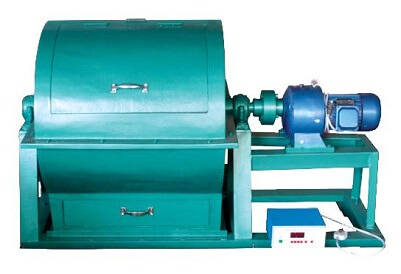
Hidden Costs Most Buyers Ignore
Unexpected Expenses:
- Instalasi:$2k–$10k (foundation, electrical work)
- Energy:~$0.15/kWh → $10k+/year for a 30 kW mill
- Maintenance:5–10% of initial cost annually (liners, bearings)
- Spare Parts:Grinding media = $1k–$5k/year
5-Year Total Cost of Ownership Example:
| Cost Factor | Cheap Mill ($50k) | Premium Mill ($80k) |
| Purchase Price | $50,000 | $80,000 |
| Energy (5 yrs) | $37,500 (30 kW) | $30,000 (24 kW, VFD) |
| Liners & Media | $15,000 | $7,000 (longer life) |
| Total Cost | $102,500 | $117,000 |
| ROI | Lower (more downtime) | Higher efficiency |
Key Takeaway: The “cheapest” mill often costs more over time.
Best Small Ball Mill for Your Industry
| Industry | Recommended Specs | Avg. Price |
| Penambangan Emas | 1 t/h, rubber liners, 30 kW | $60k–$90k |
| Keramik | 0.5 t/h, ceramic-lined, 15 kW | $40k–$70k |
| Battery Materials | 2 t/h, inert gas option | $100k–$150k |
| Lab Research | 5 kg batch, 2 kW | $5k–$15k |
China vs. USA vs. Europe: Best Value?
China: Lowest prices (30–50% savings), but vet suppliers carefully. USA/Europe: Better QA, longer warranties, higher efficiency—ideal for heavy use.
India: Emerging middle ground (10–20% cheaper than China, but limited support).
Case Study: A Tanzanian gold miner saved $40k buying a Chinese mill—but spent $15k extra on liner replacements in 2 years.
How to Choose the Right Small Ball Mill (6 Steps)
- Test Your Material– Hardness, moisture, and abrasiveness affect mill choice.
- Define Output Size– Finer grinding requires longer milling time (higher cost).
- Wet or Dry?– Wet mills prevent dust but need slurry handling.
- Match Capacity– Don’t overbuy (a 5 t/h mill wastes energy if you need 1 t/h).
- Compare Liners– Rubber for noise reduction, ceramic for purity.
- Supplier Vetting– Request client references, visit factories if possible.
Common Mistakes That Increase Costs
- Buying oversized: A 3 t/h mill running at 1 t/h wastes $10k+/year in energy.
- Ignoring power efficiency: A 10% more efficient motor saves $1,500/year.
- Choosing the wrong liner: Rubber wears fast in abrasive ores (+$5k in replacements).
2026 Price Trends & Predictions
Upward Pressure:
- Steel prices are rising ~8% yearly (affects mills, liners, media).
- Automation demand is increasing (IoT-enabled mills +15% cost premium).
Downward Opportunities: Chinese oversupply may lead to discounts for bulk buyers.
Final Recommendation
- Prioritize TCO over sticker price—calculate energy, maintenance, and downtime.
- Match the mill to your exact needs—overcapacity kills ROI.
- Get multiple quotes with identical specs for fair comparison.
FAQ
Q: How much does a 1 t/h ball mill cost?
A: $45k–$75k new, depending on motor, automation, and liner materials.
Q: Are Chinese mills reliable?
A: Top-tier Chinese OEMs (like [well-known brand]) compete with Western quality at 40% lower cost—but avoid unknown suppliers.
Q: What’s the lifespan of a small ball mill?
A: 8–15 years with proper maintenance (liners last 6–24 months).
Q: Should I buy used?
A: Only with thorough inspection—savings can be negated by hidden wear.
Need Help? Contact our ball mill experts for a free consultation!
This guide equips you to make an informed decision—saving thousands in purchase costs and long-term operations.
PRODUK TERBARU
-

SFM-8 Lab Grinder
【Max. Power Consumption】 150W 【Morta…
-
Cyclosizer
【Feeding Capacity】< 100g/time 【Feeding …
-
JKZ/2JKZ Mine Shaft Sinking Hoist
【Power Source】Electric Motor Drive 【Motor Spee…


 English
  French
  Spanish
  Portuguese
  Indonesian