



Most copper ores found in nature do not exist as single mineral species but rather as symbiotic mixtures of copper sulfides and copper oxides; this makes the beneficiation of copper ore a subject that is both classic and complex within the field of mineral processing. Common copper oxide minerals possess distinct physicochemical properties: malachite (CuCO₃·Cu(OH)₂) has a copper content of 57.4%, a density of 4 g/cm³, and a hardness of 4; azurite (2CuCO₃·Cu(OH)₂) has a copper content of 55.2%, a density of 4 g/cm³, and a hardness of 4; chrysocolla (CuSiO₃·2H₂O) has a copper content of 36.2%, a density of 2–2.2 g/cm³, and a hardness of 2–4; and cuprite (Cu₂O) has a copper content of 88.8%, a density of 5.8–6.2 g/cm³, and a hardness of 3.5–4. These diverse copper oxide minerals exhibit vastly different natural hydrophilic characteristics; when combined with copper sulfide minerals—which also vary in floatability—these differences dictate the varying levels of difficulty in separation. Flotasi currently stands as the primary separation method for copper oxide ores, categorized into two main approaches—direct flotation and sulfidization flotation—based on ore properties. Copper sulfide ores are further classified into mono-metallic and polymetallic types; the former involves relatively simple flotation processes, whereas the latter requires more complex flow-sheet designs due to the presence of associated valuable metals. Mineral processing plants rely on tailored flotation processes to efficiently concentrate copper minerals from raw ore, significantly upgrading the copper concentrate grade and providing suitable feedstock for subsequent copper smelting. Specialized equipment for various stages of the flotation process provides the essential support for implementing these techniques; in the following sections, we will systematically outline eight core flotation processes suited to different types of copper ore, as well as nine key pieces of equipment commonly used throughout the entire process.
Waktu terbit:22 November 2022
8 Core Flotation Processes
1. Direct flotation process for simple copper sulfide ores: Leverages the difference in floatability between copper minerals and gangue; features a simple, easy-to-operate flowsheet.
2. Differential flotation process for polymetallic copper sulfide ores: Separates minerals in stages based on their flotation rates; reduces reagent consumption and eliminates interference from residual reagents.
3. Ore washing–grinding–copper flotation–iron magnetic/gravity separation process: Involves desliming followed by copper flotation, then iron recovery via magnetic and gravity separation; suitable for high-iron copper oxide ores.
4. Grinding–desliming–copper flotation process: Removes high-copper slimes beforehand to minimize interference with flotation and improve copper concentrate grade.
5. Direct sulfidization-flotation process for copper oxides: Uses staged addition of sodium sulfide to activate copper oxides, combined with xanthate collectors; suitable for minerals such as malachite and azurite.
6. Hydrothermal sulfidization-flotation process: Intensifies the sulfidization reaction under high temperature and pressure to form artificial copper sulfide; overcomes slime interference and achieves high recovery rates.
7. Amine collector flotation process: Uses cationic collectors to process minerals like azurite and atacamite; suitable for certain refractory copper oxide ores.
8. Chelating agent–neutral oil flotation process: Highly selective for refractory minerals like chrysocolla; significantly reduces sodium sulfide consumption.
9 Types of Equipment
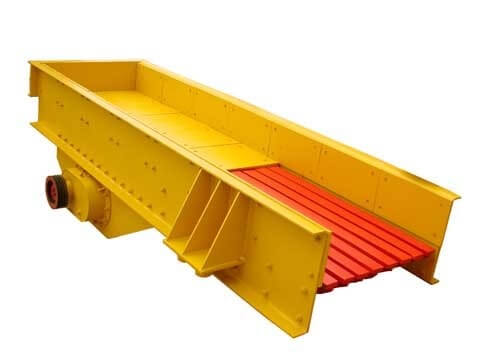
1. Memberi makan - pengumpan bergetar
A pengumpan bergetar adalah peralatan makan yang banyak digunakan dalam metalurgi, pertambangan batu bara, pengolahan mineral, bahan bangunan, dan industri lainnya. Ini dapat memberi makan bijih tembaga besar secara merata dan terus menerus ke peralatan penghancur berikutnya, dan bahan tersebut disaring terlebih dahulu.
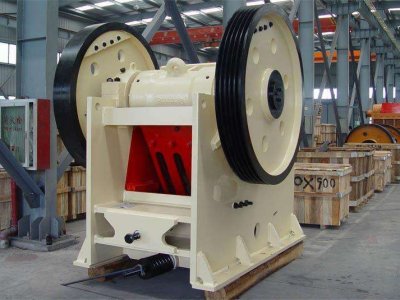
2. Coarse Crushing - Jaw Crusher
Penghancur rahang terutama digunakan untuk penghancuran kasar di pabrik pasir dan kerikil, metalurgi, pertambangan, kimia, dan industri lainnya. Ukuran partikel input bisa mencapai 1500mm, ukuran partikel output bisa 10-350mm, dan material bisa diproses hingga 2200 ton per jam. Kekuatan tekan bisa mencapai 320MPa.
Bijih tembaga yang berukuran besar harus dihancurkan terlebih dahulu menjadi batu-batu yang lebih kecil dengan menggunakan jaw crusher untuk memenuhi ukuran umpan penghancuran sedang.
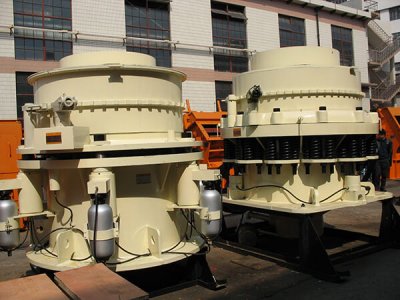
3. Penghancuran Sedang - Penghancur Kerucut
The penghancur kerucut terutama digunakan untuk bijih peremukan sedang dan halus dengan kekerasan sedang atau di atas sedang dan dapat memproses 12-1000 ton bahan per jam.
Kekerasan bijih tembaga relatif tinggi, yang hanya cocok untuk dihancurkan dengan cone crusher. Setelah diproses oleh cone crusher, produk jadi dengan ukuran 3-60mm dihasilkan.
4. Screening - Circular Vibrating Screen
Fungsi dari layar bergetar adalah menyaring material yang memenuhi ukuran partikel untuk proses selanjutnya. Pada saat yang sama, kumpulkan material yang tidak memenuhi syarat dan kirimkan ke peralatan penghancur untuk dihancurkan kembali hingga ukuran partikelnya memenuhi syarat.
Misalnya, ukuran partikel buangan dari cone crusher adalah 3-60mm. Dalam proses penggilingan berikutnya, ukuran partikel umpan ball mill harus di bawah 20-25mm, sehingga layar getar dapat memisahkan material dengan ukuran partikel yang berbeda. Masukkan bahan di bawah 20mm ke dalam ball mill, dan kirim 20mm atau lebih kembali ke cone crusher untuk dihancurkan kembali.
5. Grinding - Ball Mill
Fungsi dari pabrik bola adalah untuk menggiling lebih lanjut material menjadi partikel-partikel halus dengan ukuran 0-200 mesh untuk memenuhi persyaratan untuk langkah flotasi berikutnya.
Ukuran partikel umpan ball mill di bawah 20-25mm, ukuran partikel buangan 0,074-0,89mm, dan dapat menghasilkan 0,65-615 ton bahan per jam. Ini trendi dalam semen, produk silikat, bahan bangunan baru, dan bahan tahan api.
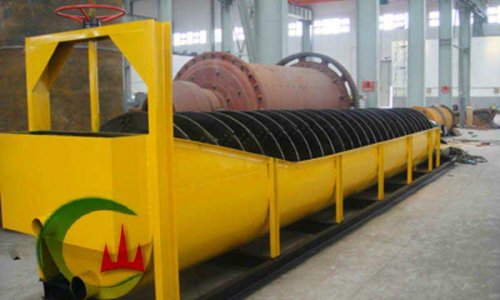
6. Klasifikasi - Pengklasifikasi
The pengklasifikasi adalah peralatan khusus untuk klasifikasi ukuran partikel dari pulp bijih dalam proses benefisiasi logam. Panjang tangki air adalah 3000-14300mm, dan diameter spiral adalah 300-3000mm. Ini terutama menggunakan gravitasi spesifik yang berbeda dari partikel bijih tembaga, partikel gangue terkait, dan kecepatan sedimentasi yang berbeda dalam cairan untuk mengklasifikasikannya.
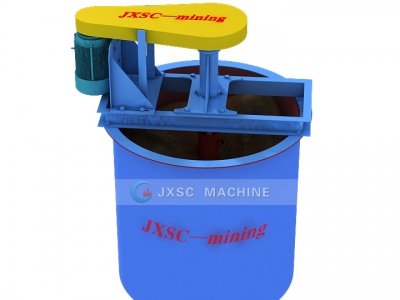
7. Beneficiation - Mixing Tank
The role of the tangki pencampuran adalah mengaduk bubur kertas sehingga bahan kimia dan bubur kertas tercampur secara merata, dan waktu reaksi bahan kimia dipercepat.
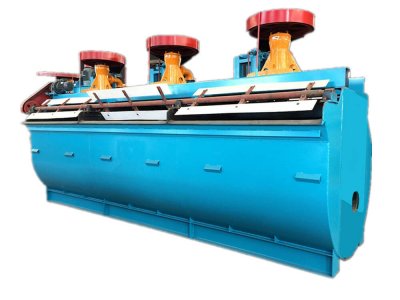
8. Beneficiation - Flotation Machine
Proses flotasi perlu menambahkan agen flotasi ke dalam pulp sehingga partikel bijih yang berharga dapat melekat lebih baik pada gelembung udara yang dihasilkan oleh mesin flotasi, float to the surface of the pulp, and be collected.
9. Drying - Dryer
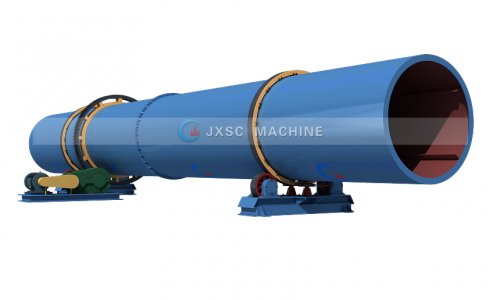
Konsentrat tembaga yang dikumpulkan dengan cara flotasi memiliki kandungan air yang relatif tinggi dan tidak dapat memenuhi standar untuk digunakan, sehingga harus melalui proses dehidrasi.
The pengering adalah peralatan pengeringan yang khusus digunakan dalam pertambangan, pengolahan mineral, kimia, dan industri lainnya. Alat ini dapat memproses 1,9-76 ton bahan per jam. Selain konsentrat tembaga, kami juga dapat menggunakannya untuk mengeringkan banyak mineral logam dan non-logam lainnya.
Ranging from easily processed simple copper sulfide ores to refractory chrysocolla-type oxidized copper ores, a suite of eight flotation processes creates a comprehensive technical framework capable of handling diverse ore characteristics; this system retains the proven advantages of traditional sulfide flotation while overcoming recovery bottlenecks for refractory oxidized ores through innovative methods such as hydrothermal sulfidization and chelation-assisted flotation. Complementing these processes are nine types of core equipment-covering stages from feeding, crushing, and grinding to flotation and drying—that provide the necessary hardware infrastructure to ensure the stable implementation of process parameters. Given the current industry context of high copper prices, processing plants must scientifically match specific flotation processes and equipment configurations to the unique characteristics of their ore—such as oxidation rate, mineral dissemination size, and associated components—to maximize copper concentrate recovery and grade while controlling production costs, thereby achieving the efficient utilization of low-grade, refractory copper resources.
PRODUK TERBARU
-

High Temperature & Pressure Gold Desorption Electrolysis System
High-Temperature & Pressure Gold Desorption Elect…
-
Normal Temperature & Pressure Gold Desorption Electrolysis System
The normal temperature & pressure gold desorption…
-
ABS Spiral Chutes
【Capacity】0.15-6 tph 【Feeding Size】0.02-…


BERITA TERBARU
- Mineral Analysis: The Foundation for Successful Mineral Processing Projects
- What Is Over-Grinding and How Can It Be Prevented?
- Fluorspar vs Graphite vs Quartz: Non-Metal Minerals Beneficiation Differences
- Tailings Dam Safety: 5 Critical Parameters to Monitor
- What Is the Beneficiation Process for Ultra-pure Iron Concentrate?
 English
  French
  Spanish
  Portuguese
  Indonesian