



Tailings ponds store leftover materials from mining operations. If not managed well, they can cause serious harm to the environment and people. Here’s what you need to know about tailings pond safety and why it matters.
A tailings pond is where mining waste is stored after extraction. Safety is crucial because failures can lead to environmental disasters, water contamination, and health risks. Proper design, monitoring, and maintenance prevent leaks and structural failures. Mining companies must follow strict regulations to protect ecosystems and communities.
Understanding tailings ponds is just the start. Let’s dig into the details of how they work and why safety measures are critical.
What Is a Tailings Pond?
Imagine a giant storage area for leftover mining materials. That’s essentially what a tailings pond is. But how does it really function?
A tailings pond holds waste materials (called tailings) after valuable minerals are extracted from ore. These tailings often contain water, chemicals, and fine particles. The pond allows solids to settle while water is recycled or treated. Proper containment prevents harmful substances from spreading.
Tailings ponds are engineered structures designed to manage mining waste. They consist of three main parts:
- The embankment (dam)– Holds the tailings in place. It must be strong and stable to prevent breaches.
- The pond itself– Where slurry (a mix of water and fine particles) is stored. Solids sink, and water stays on top.
- Drainage systems– Pipes and filters remove excess water safely.
Key considerations for tailings ponds include
| Fitur | Tujuan |
| Liner System | Prevents leaks into groundwater |
| Slope Stability | Ensures walls don’t collapse |
| Water Treatment | Removes harmful chemicals before discharge |
Without proper controls, tailings ponds can fail, leading to spills that damage waterways and ecosystems. Strict engineering and monitoring are essential.
Why Is Tailings Pond Safety Important?
Failures in tailings ponds have caused some of the worst mining disasters. Why is safety non-negotiable?
Tailings pond failures can release toxic materials into rivers, soil, and drinking water. Past incidents have destroyed habitats and harmed communities. Proper safety measures prevent disasters, protect wildlife, and reduce legal and financial risks for mining companies.
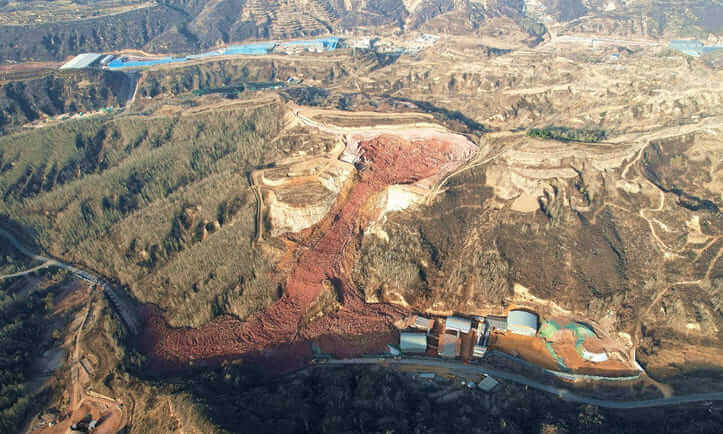
History shows why tailings pond safety is vital. Notable disasters include:
- 2019 Brumadinho Dam Collapse (Brazil)– Killed 270 people and polluted rivers.
- 2014 Mount Polley Spill (Canada)– Released 24 million cubic meters of waste into a lake.
These events highlight key safety issues:
- Environmental Impact–Toxic metals such as arsenic and mercury in tailings can poison water for decades.
- Human Health Risks– Contaminated water causes diseases and long-term health problems.
- Economic Costs– Cleanup and lawsuits cost millions, damaging mining companies’ reputations.
To prevent disasters, companies must:
- Follow strict regulations– Compliance with government and industry standards is mandatory.
- Use advanced monitoring– Sensors detect leaks or instability early.
- Plan for emergencies– Have response strategies in case failures occur. Safety is not optional—it’s a responsibility.
What Are the Key Characteristics of Tailings Pond Safety?
Distinctive Characteristics of Tailings Ponds
Compared to other mining facilities, tailings ponds have several distinctive characteristics in terms of safety:
First, they are dynamic structures. As tailings continue to accumulate, the dam body rises, the water table shifts, and the seepage field evolves. The stress conditions of the dam body vary with time and the accumulation level. This necessitates continuous, dynamic monitoring and management.
Second, they are highly susceptible to natural factors. Rainfall, earthquakes, and temperature fluctuations—these natural factors can all have a significant impact on the safety and stability of tailings ponds. Heavy rainfall, in particular, can cause reservoir water levels to rise rapidly, potentially leading to overtopping incidents or dam failures. I once responded to a critical situation at a tailings dam where three consecutive days of torrential rain caused the water level to surge dramatically, nearly resulting in an overtopping event.
Third, the consequences of accidents are extremely severe. A tailings dam breach can trigger a debris flow, with the impact extending several kilometers or even tens of kilometers downstream. This results not only in casualties and property damage but also causes severe environmental pollution. These consequences are something no mine can afford to bear.
Not all tailings ponds are the same. What makes one safer than another?
A safe tailings pond has a stable embankment, leak-proof lining, proper water treatment, and continuous monitoring. Advanced designs include dry stacking or filtered tailings to reduce risks.
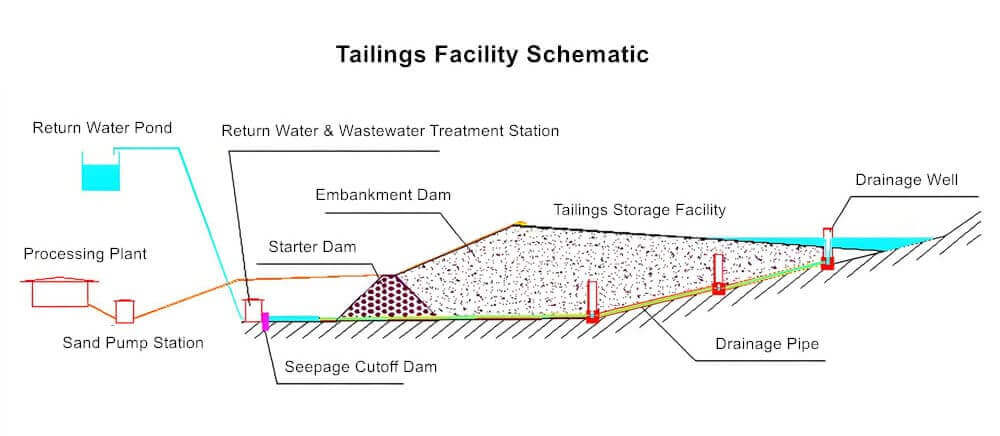
Here’s what separates safe tailings ponds from risky ones:
1. Embankment Design
- Wide base, gentle slopes– Prevents collapses.
- Reinforced materials– Compressed earth, geotextiles, or concrete.
2. Liner Systems
- Multiple layers– Clay, synthetic liners, or geomembranes block leaks.
- Leak detection– Sensors alert engineers to cracks.
3. Water Management
- Recycling systems– Reuse process water to minimize waste.
- Treatment plants– Remove chemicals before water is released.
4. Monitoring & Maintenance
- Satellite scans– Checks for ground movement.
- Regular inspections– Engineers assess structural integrity.
New technologies like dry stack tailings (drying waste before storage) reduce water risks. Companies investing in these methods lower failure chances significantly.
How Is Tailings Pond Safety Monitored?
How do mining companies ensure tailings ponds stay safe year after year?
Tailings ponds are monitored 24/7 using sensors, drones, and inspections. Any signs of leaks, erosion, or instability trigger immediate action. Governments also require regular safety reports.
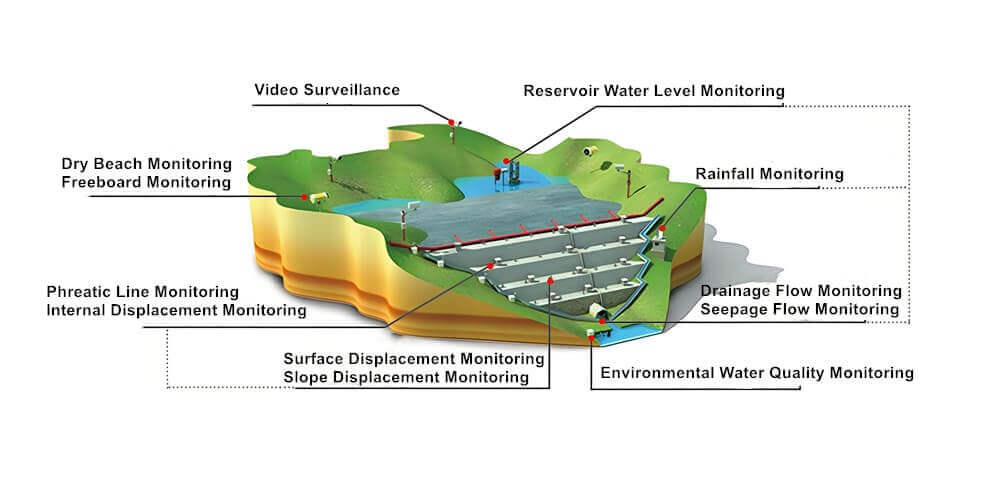
Monitoring tailings ponds involves multiple checks:
1. Real-Time Sensors
- Piezometers– Measure water pressure inside dams.
- Inclinometers– Detect shifts in the embankment.
2. Visual Inspections
- Drones & cameras– Scan large areas.
- Boots-on-ground checks– Engineers look for cracks or seepage.
3. Satellite & Radar
- InSAR technology– Tracks millimeter-level ground movement.
4. Water Quality Testing
- Sampling stations– Test pH, metals, and toxins regularly. Companies must also file safety reports with regulators. Emergency protocols (like evacuation plans) are mandatory in high-risk zones.
Kesimpulan
Tailings ponds are essential in mining but pose serious risks if mismanaged. Safety depends on strong design, proper monitoring, and strict regulations. Past disasters prove that cutting corners is unacceptable. By using advanced technologies and best practices, the mining industry can protect both ecosystems and communities.
PRODUK TERBARU
-

Inclined Vibrating Screen
The inclined vibrating screen is a simple and eff…
-
High Temperature & Pressure Gold Desorption Electrolysis System
High-Temperature & Pressure Gold Desorption Elect…
-
Normal Temperature & Pressure Gold Desorption Electrolysis System
The normal temperature & pressure gold desorption…


BERITA TERBARU
- Traditional De-cyanidation Technologies for Gold Cyanide Residues
- Shaking Table, 3-Disc Dry Magnetic & Electrostatic Separator for W-Sn-Ta-Nb
- Mineral Analysis: The Foundation for Successful Mineral Processing Projects
- What Is Over-Grinding and How Can It Be Prevented?
- Fluorspar vs Graphite vs Quartz: Non-Metal Minerals Beneficiation Differences
 English
  French
  Spanish
  Portuguese
  Indonesian