



Terak is a valuable by-product generated during metallurgical and industrial processes, including iron and steelmaking and the production of non-ferrous metals such as aluminium, tembaga, memimpindan seng. Although slag has traditionally been treated as industrial waste, it often contains recoverable metals and useful mineral components. Slag sorting equipment and modern slag processing technologies can separate these valuable materials, improve resource recovery, reduce waste, and support more sustainable industrial production.
A typical slag sorting and processing process includes cooling and crushing, screening, magnetic separation, gravity separation, and, when necessary, additional separation technologies. The specific process and equipment configuration depend on the type, composition, particle size, and target products of the slag.
This article explains the composition and comprehensive utilization of slag, as well as the main steps of slag processing.
Komposisi Terak
Komposisi terak bergantung pada faktor-faktor seperti jenis tungku yang menghasilkannya dan proses produksi. Terak terutama terdiri dari oksida (mis, silikaalumina, kalsium oksida, magnesium oksida) dengan sejumlah kecil sulfida dan logam. Di antaranya, oksida besi memiliki kandungan yang tinggi, yang dapat mencapai lebih dari 30% dari total massa terak. Terak juga dapat mengandung sejumlah kecil unsur logam dan non-logam, termasuk kalsium, magnesium, aluminium, kalium, natrium, dan sulfur. Dalam proses metalurgi, terak menghilangkan kotoran berbahaya dalam baja cair, seperti belerang, fosfor, dan gas, melalui reaksi fisikokimia, dan berperan sebagai pemurnian. Menurut proses metalurgi yang berbeda, terak dapat dibagi menjadi terak peleburan dan terak pemurnian. Selain itu, terak juga dapat dibagi menjadi terak basa, terak asam, dan terak netral menurut sifatnya.

Pemanfaatan Terak Secara Komprehensif
Pemanfaatan slag secara komprehensif merupakan sarana penting untuk mencapai ekonomi sirkular. Selain pemanfaatan komponen logam dan non-logam yang disebutkan di atas, slag juga dapat digunakan di bidang-bidang berikut:
- Digunakan sebagai pupuk: Slag contains trace elements and minerals. After appropriate treatment, slag can be used as organic fertilizer to promote plant growth.
- Pengurukan tanah: After slag is harmlessly treated, it can be used as land backfill material, increasing land value.
- Produksi bahan bangunan yang ramah lingkungan: Terak dapat dicampur dengan bahan lain untuk menghasilkan bahan bangunan yang ramah lingkungan, seperti batu bata terak, beton terak, dan sebagainya.
Penyortiran Terak
The treatment and recycling of slag are important links in industrial production. Slag sorting equipment is the key equipment in this process, and its efficient and accurate sorting ability is of great significance in improving resource utilization and reducing environmental pollution. The process steps of slag sorting equipment include persiapan bahan baku dan pretreatment, penyalaan dan commissioning peralatan, proses pemilahan terak, pemeliharaan dan perbaikan peralatan, serta langkah-langkah perlindungan dan keselamatan lingkungan. Below, we will introduce the steps for slag sorting equipment in detail.
1. Raw Material Preparation and Pretreatment
After the slag is collected from the production line, it is transported to the separating area through special conveying equipment. Before formal separation, the slag needs to be pre-treated, including cooling, crushing, screening, and other steps to ensure that the slag’s particle size meets the separating equipment’s requirements. This link helps to improve separation efficiency and reduce equipment wear.
Cooling
Hot slag must be cooled to a suitable temperature before it enters downstream processing equipment. Cooling methods depend on the slag type and plant design.
Menghancurkan
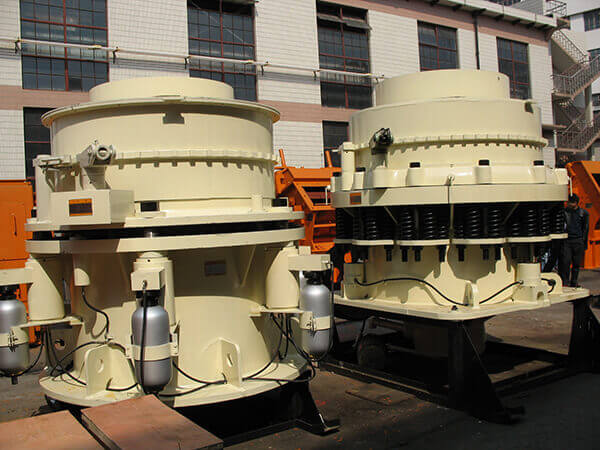
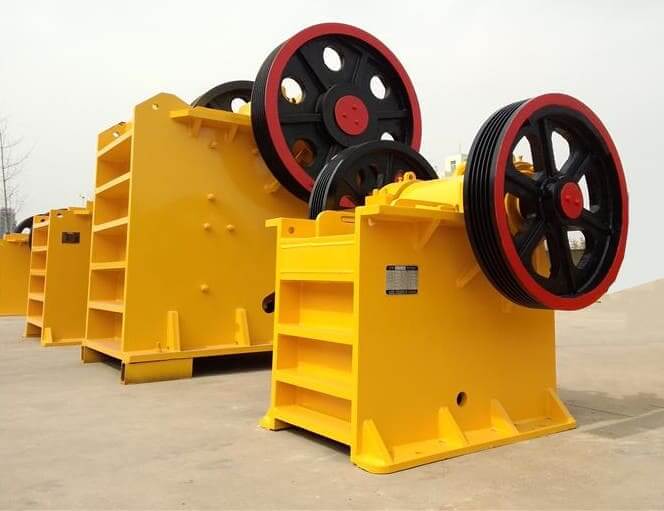
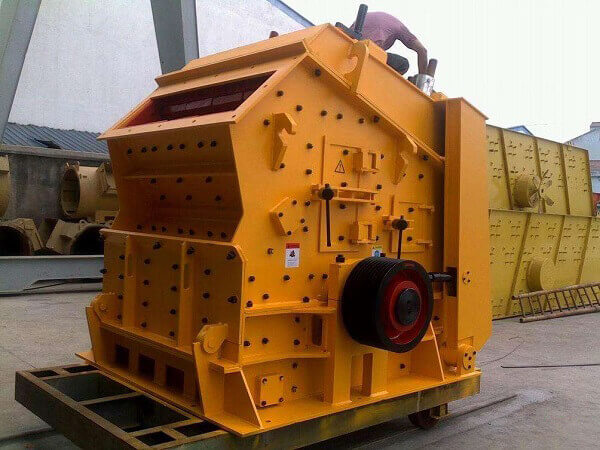
Crushing reduces large slag lumps to a more manageable particle size and helps liberate metallic particles from the surrounding mineral matrix.
Jaw crushers, cone crushers, impact crushers, and other peralatan penghancur may be selected according to the material characteristics and required particle size.
 |
 |
 |
Penyaringan
Screening separates slag into different particle-size fractions. This improves the efficiency of subsequent sorting equipment because different particle sizes may require different separation conditions.
2. Equipment Startup and Commissioning
After confirming that the slag is ready, start the slag sorting equipment. Before starting the equipment, perform the necessary debugging work, including checking whether the equipment components are intact, adjusting the sorting parameters, and so on. After the debugging is completed, the equipment enters the standby state, waiting for the input of slag.
3. Slag Sorting Process
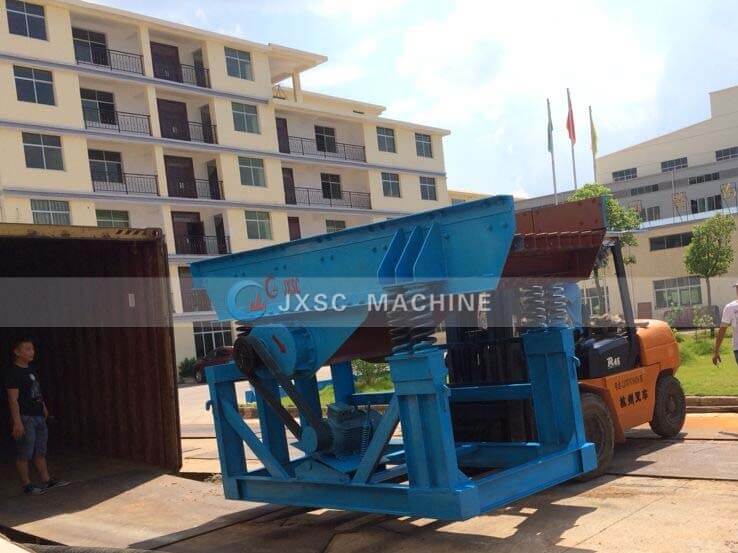
Memberi makan
Terak yang telah diolah sebelumnya diumpankan secara seragam ke dalam peralatan pemisah melalui pengumpan. Untuk memastikan efek pemisahan, kecepatan pengumpanan harus disesuaikan dengan kapasitas pemrosesan peralatan.
Pemisahan
After the slag enters the sorting equipment, it will be subjected to a variety of forces (such as gravity, magnetism, airflow, etc.) inside the equipment, so as to realize the effective separation of different components. In the process of separation, the equipment will automatically adjust the sorting conditions according to the preset parameters and the characteristics of the slag, in order to achieve the popular separating effect.
(1) Physical separation
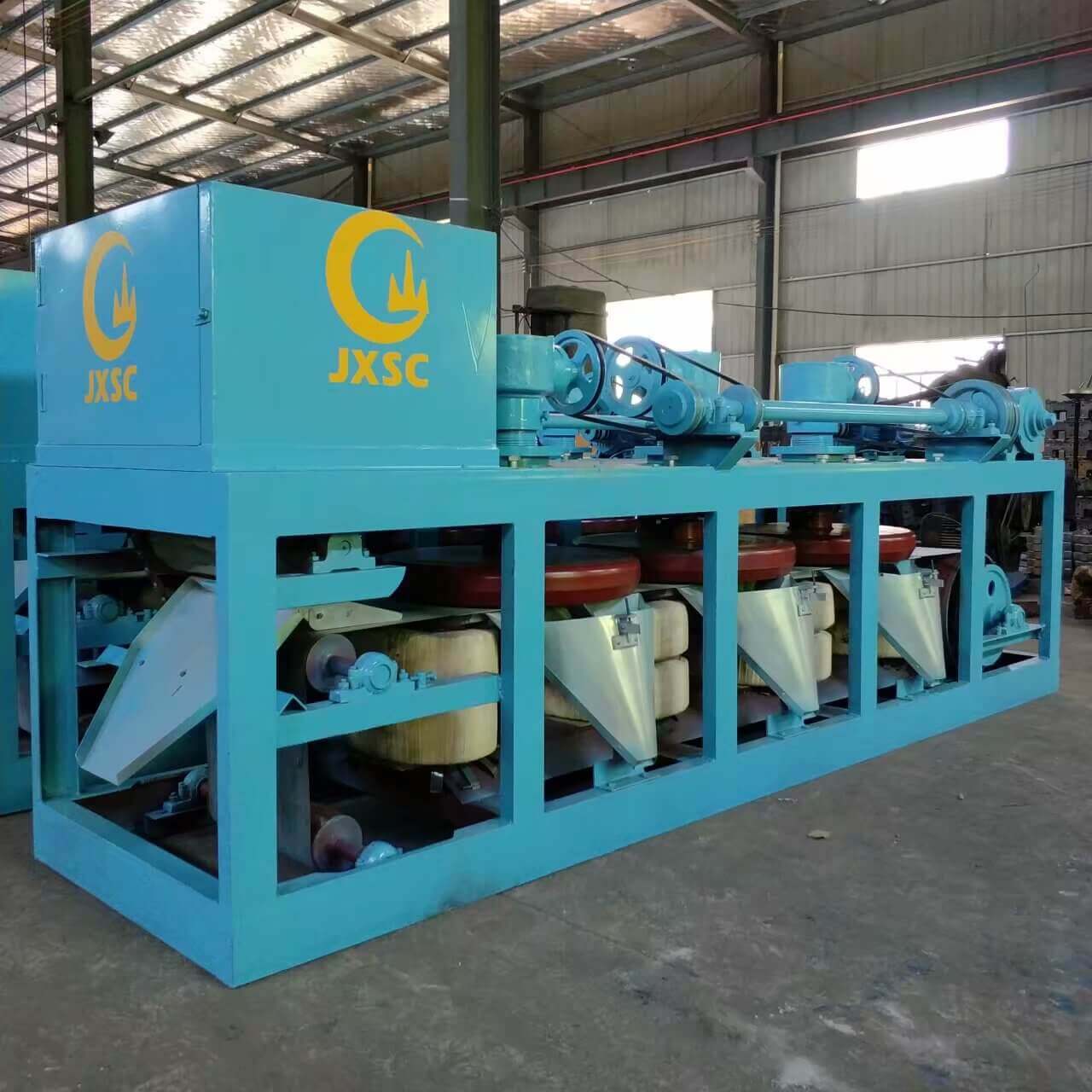
Magnetic separation and gravity separation are used to separate metal and non-metal components by utilizing the responsiveness of metal to the magnetic field and the difference in material density. Magnetic separation can separate iron, nickel, and other magnetic metals, while re-election separates heavy and light components according to the density difference.
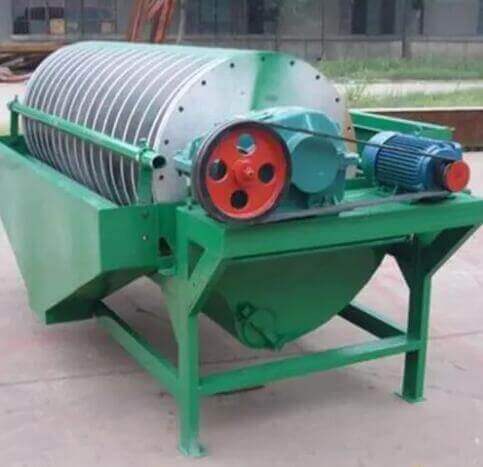
Pemisahan Magnetik
Magnetic separation is one of the most widely used methods in slag processing, particularly when recovering iron-bearing or other magnetic metallic materials.
After crushing and screening, the slag passes through a magnetic separator. Magnetic particles are attracted to the magnetic field while non-magnetic materials continue through the separation system.
Depending on the material, magnetic separation may be used to recover:
- Metallic iron
- Iron-bearing particles
- Other magnetic materials
Pemisah magnetik can be configured at different stages of a processing line to improve metal recovery.
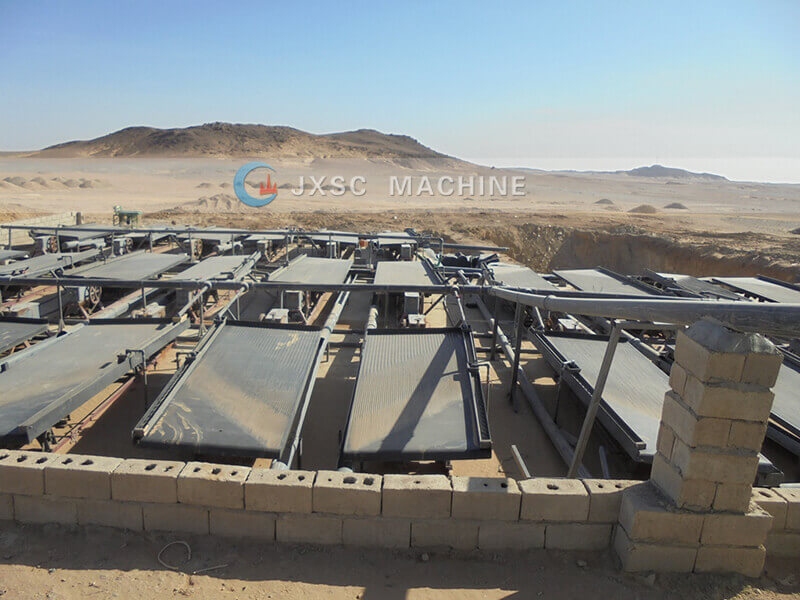
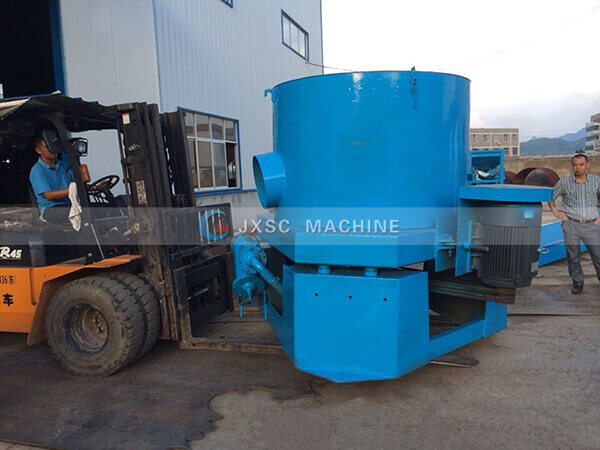
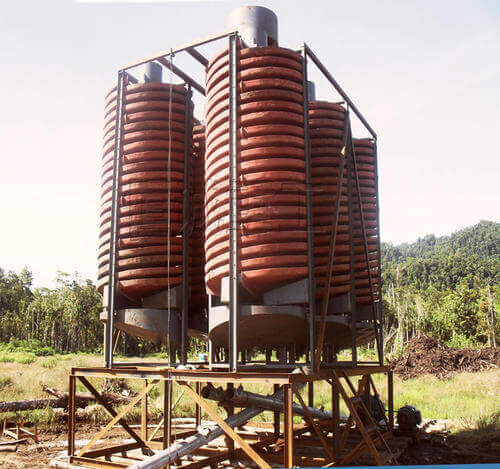
Pemisahan Gravitasi
When the target materials have significant differences in density, pemisahan gravitasi can be used to further separate heavy and light fractions.
For example, after magnetic separation removes magnetic materials, gravity-based equipment may help concentrate heavier metallic particles from lighter mineral materials.
The appropriate peralatan pemisahan gravitasi depends on the particle size and density characteristics of the feed material.
 |
 |
 |
 |
 |
 |
(2) Chemical separation
Untuk komponen yang tidak dapat sepenuhnya dipisahkan dengan metode fisik, metode kimia dapat digunakan, menggunakan reagen kimia untuk bereaksi dengan komponen tertentu untuk menghasilkan zat yang dapat larut atau tidak dapat larut, sehingga mewujudkan pemisahan.
Pengumpulan dan Klasifikasi
After separation is completed, slags of different compositions will be collected separately. Usually, the equipment will be equipped with multiple outlets so that different types of slag can be discharged separately. The collected slag can be further treated or recycled according to its nature.
Perlakuan bahan setelah pemisahan
- Perawatan komponen logam: Setelah pemisahan, komponen logam dapat dimurnikan atau dilebur untuk mengekstrak logam berharga seperti besi, tembaga, seng, dan lain-lain, yang dapat digunakan untuk menghasilkan berbagai produk logam.
- Pemrosesan komponen non-logam: Komponen non-logam seperti silikat, alumina, dan lain-lain, dapat digunakan sebagai bahan bangunan atau bahan baku pengisi untuk pembuatan batu bata dan ubin, semen, keramik, dan produk lainnya.
4. Equipment Maintenance
In the long-term use of slag sorting equipment, it is inevitable that there will be wear and tear or failure. Regular maintenance and repair of equipment is crucial. This includes checking the wear and tear of various parts of the equipment, replacing damaged parts, and cleaning up the dust inside the equipment. Through effective maintenance and repair, the service life of the equipment can be extended, and the sorting efficiency can be improved.
5. Environmental Protection and Safety Measures
In the process of sorting slag, attention should be paid to environmental protection and safety. Equipment should be equipped with effective dust removal devices to reduce dust pollution; operators should comply with safety regulations and wear the necessary protective equipment to ensure personal safety.
Conclusion: Advancing Sustainable Industry Through Slag Recycling
Slag sorting equipment and modern processing technologies play a pivotal role in transforming industrial by-products into valuable resources. By effectively separating metallic and non-metallic components, these systems not only enhance resource recovery but also contribute to environmental sustainability by reducing landfill waste. The integration of physical and chemical separation methods ensures high efficiency, while advancements in cooling, crushing, and screening further optimize the process.
The recycled materials—metals for industrial reuse, mineral components for construction, and even nutrient-rich slag for agriculture—underscore the economic and ecological potential of slag utilization. Moving forward, continued innovation in sorting technologies and stricter adherence to safety and environmental protocols will further solidify slag recycling as a cornerstone of the circular economy.
By investing in these solutions, industries can achieve cleaner production, lower costs, and a reduced ecological footprint, paving the way for a more sustainable industrial future.
PRODUK TERBARU
-

Inclined Vibrating Screen
The inclined vibrating screen is a simple and eff…
-
High Temperature & Pressure Gold Desorption Electrolysis System
High-Temperature & Pressure Gold Desorption Elect…
-
Normal Temperature & Pressure Gold Desorption Electrolysis System
The normal temperature & pressure gold desorption…


BERITA TERBARU
- Modern Cyanide Residue Treatment Technologies for Gold Processing
- Traditional De-cyanidation Technologies for Gold Cyanide Residues
- Shaking Table, 3-Disc Dry Magnetic & Electrostatic Separator for W-Sn-Ta-Nb
- Mineral Analysis: The Foundation for Successful Mineral Processing Projects
- What Is Over-Grinding and How Can It Be Prevented?
 English
  French
  Spanish
  Portuguese
  Indonesian