



Introduction to Kaolin and Its Importance
Caolín is a non-metallic mineral, a kind of clay and clay rock dominated by kaolinite clay minerals. Because it is white and delicate, it is also called white cloud soil.
Los minerales de caolín se componen de minerales agrupados de caolinita, como caolinita, dickita, perlita, halloysita, etc. El principal componente mineral es la caolinita.
La fórmula química cristalina de caolinita is 2SiO2·Al2O3·2H2O, and its theoretical chemical composition is 46.54% SiO2, 39.5% Al2O3, and 13.96% H2O. Kaolin minerals belong to the 1:1 type layered silicate. The crystals are mainly composed of silicon-oxygen tetrahedra and aluminum hydroxide octahedra. Among them, the silicon-oxygen tetrahedra are connected in a two-dimensional direction to form a hexagonal arrangement by sharing a vertex angle. In the grid layer, the apex oxygen is not shared by each silicon-oxygen tetrahedron; the apex oxygen of the silicon-oxygen tetrahedron layer and the oxygen-assisting octahedral layer form a 1:1 unit layer.
Wide Range of Applications of Kaolin
Kaolin has a wide range of uses, as it is a versatile material that serves critical roles in primary, secondary, and specialty applications. Such as:
- Primary applications: It is mainly used in papermaking, ceramics, and refractory materials.
- Secondary uses: Followed by coatings, rubber fillers, enamel glazes, and white cement raw materials.
- Specialty applications: A small amount is used in plastics, paints, pigments, grinding wheels, pencils, daily cosmetics, soaps, etc.
- Otros usos: Pesticides, medicines, textiles, petroleum, chemicals, building materials, national defense, and other industrial sectors.
The Need for Kaolin Recycling
Kaolin will produce a large amount of tailings after ore dressing and recycling. As the recycling of kaolin tailings is low, with the continuous accumulation of tailings, it will encroach on a large amount of land, pollute water quality, cause vegetation damage and soil erosion, and even cause Debris flow, seriously affecting the ecological environment. Therefore, comprehensive utilization of kaolin tailings and recycling them can effectively prevent waste of resources and damage to the environment. Our 150TPH recycling plant addresses these environmental concerns while recovering valuable material.
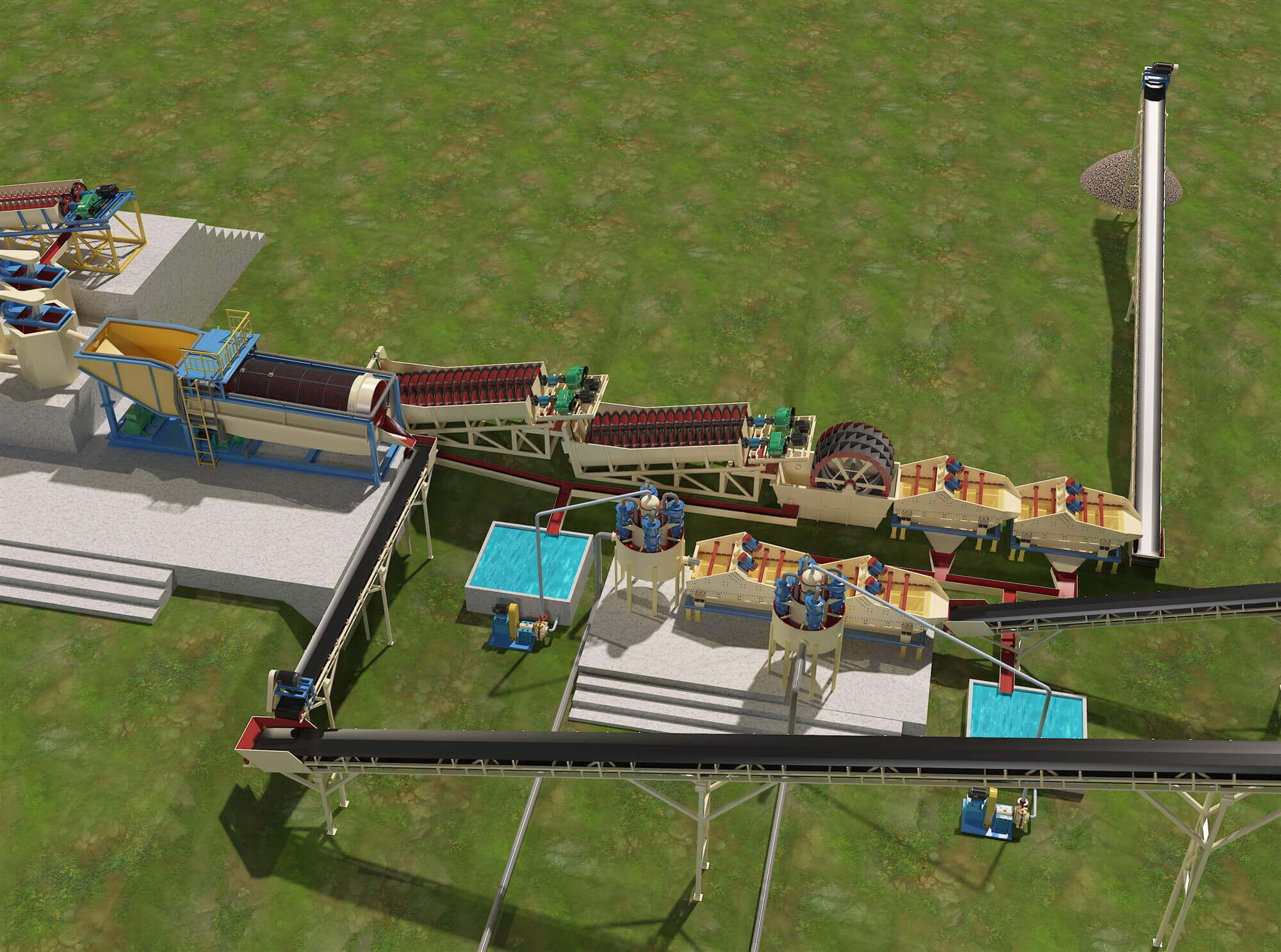
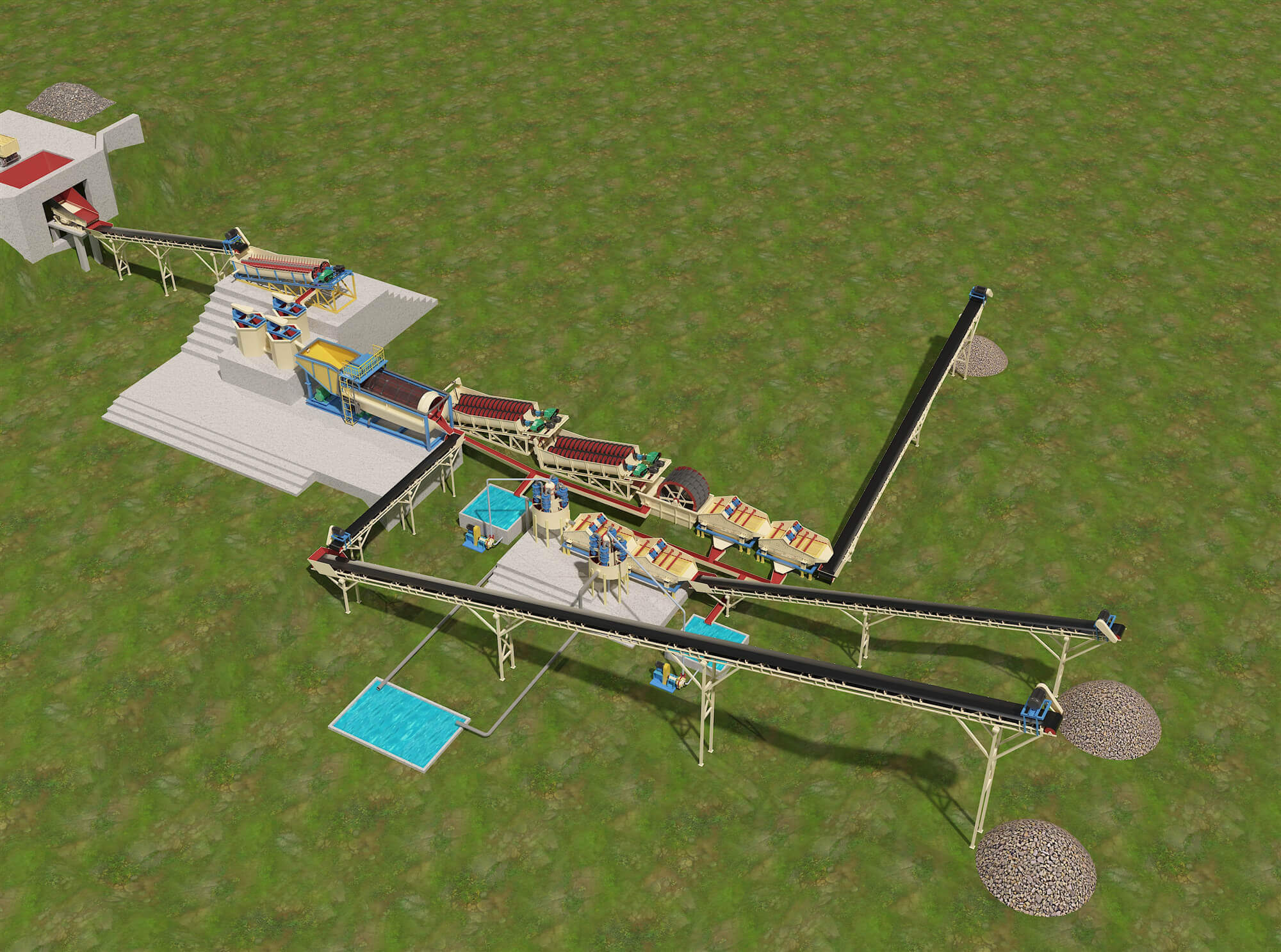
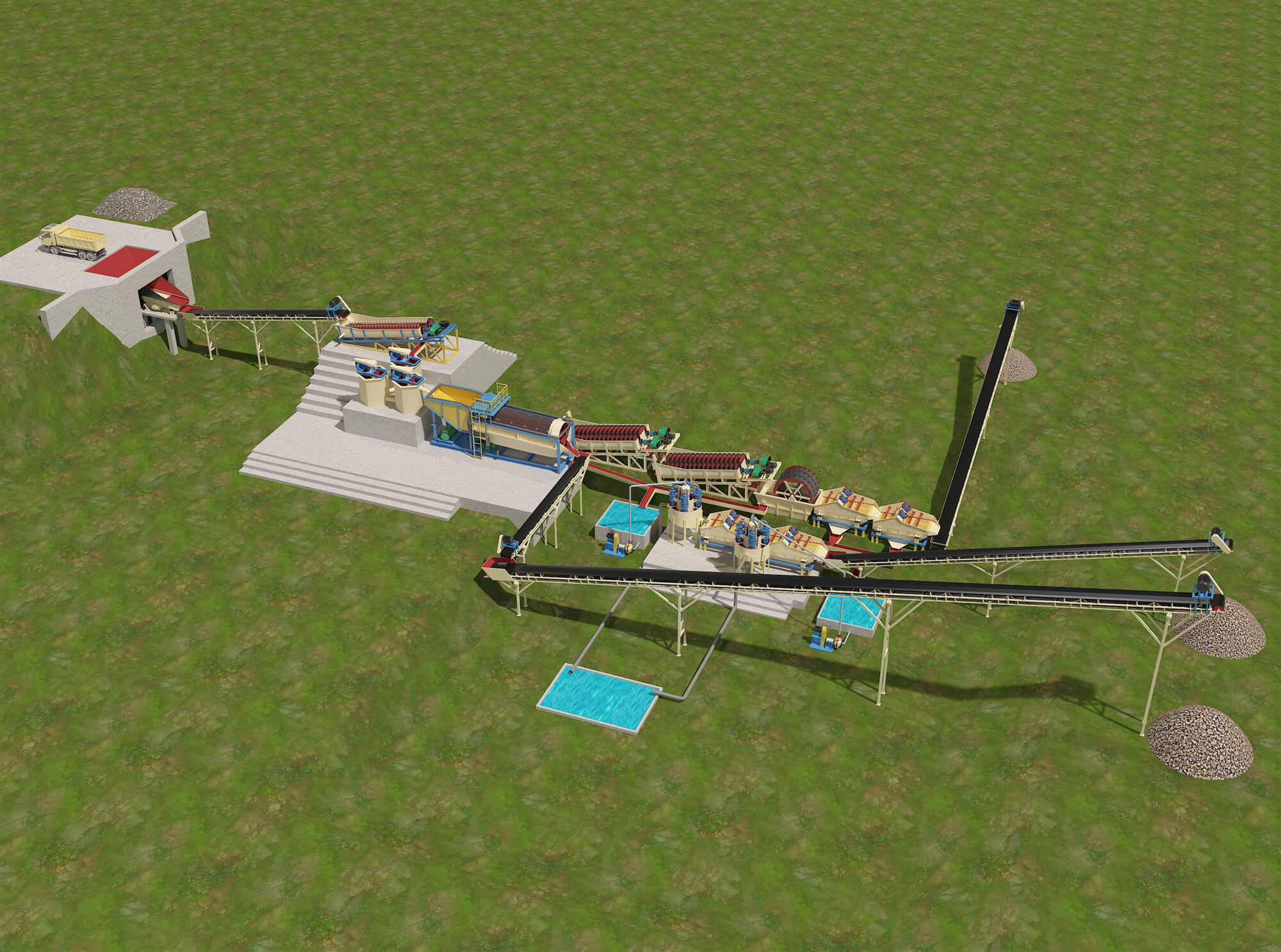
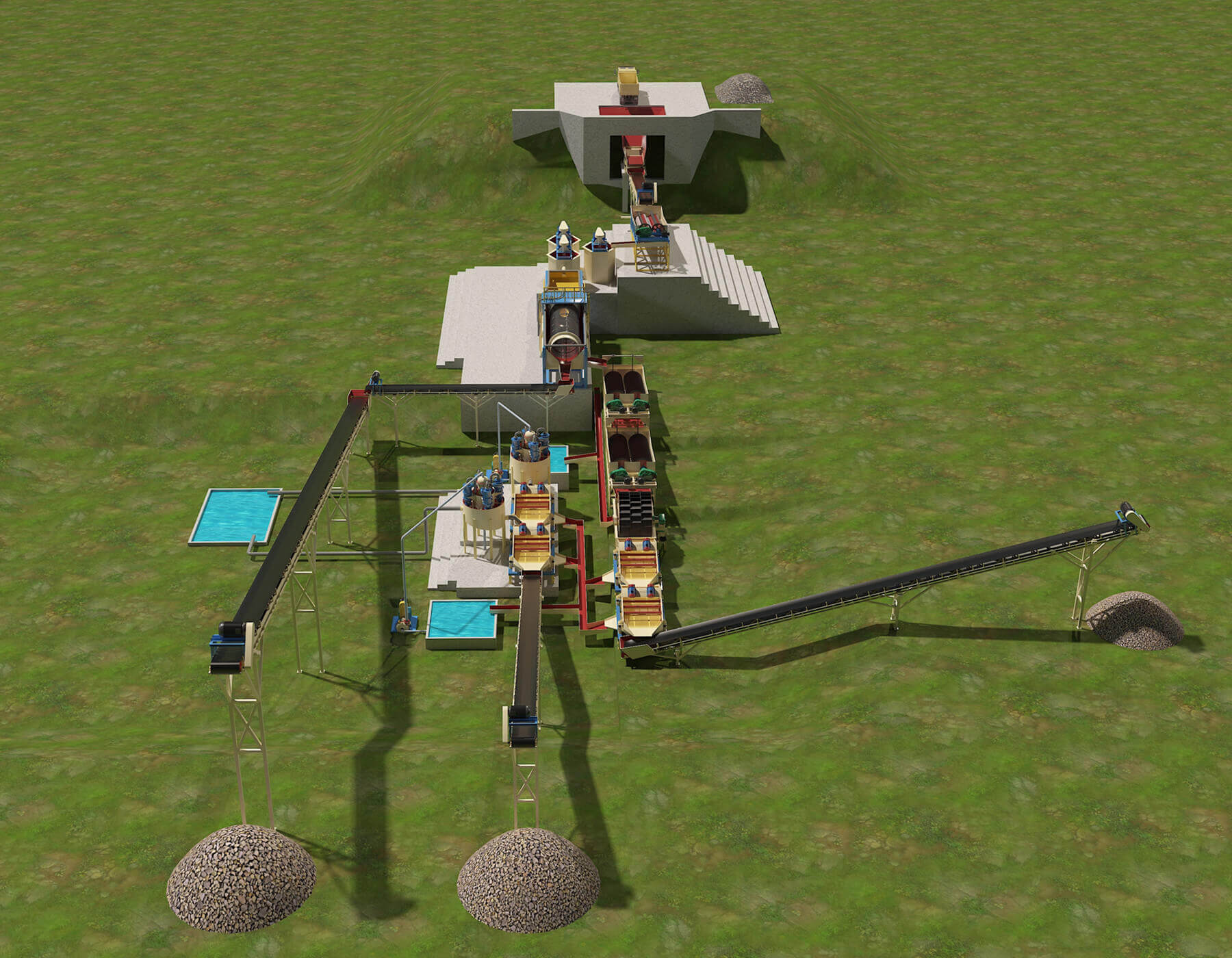
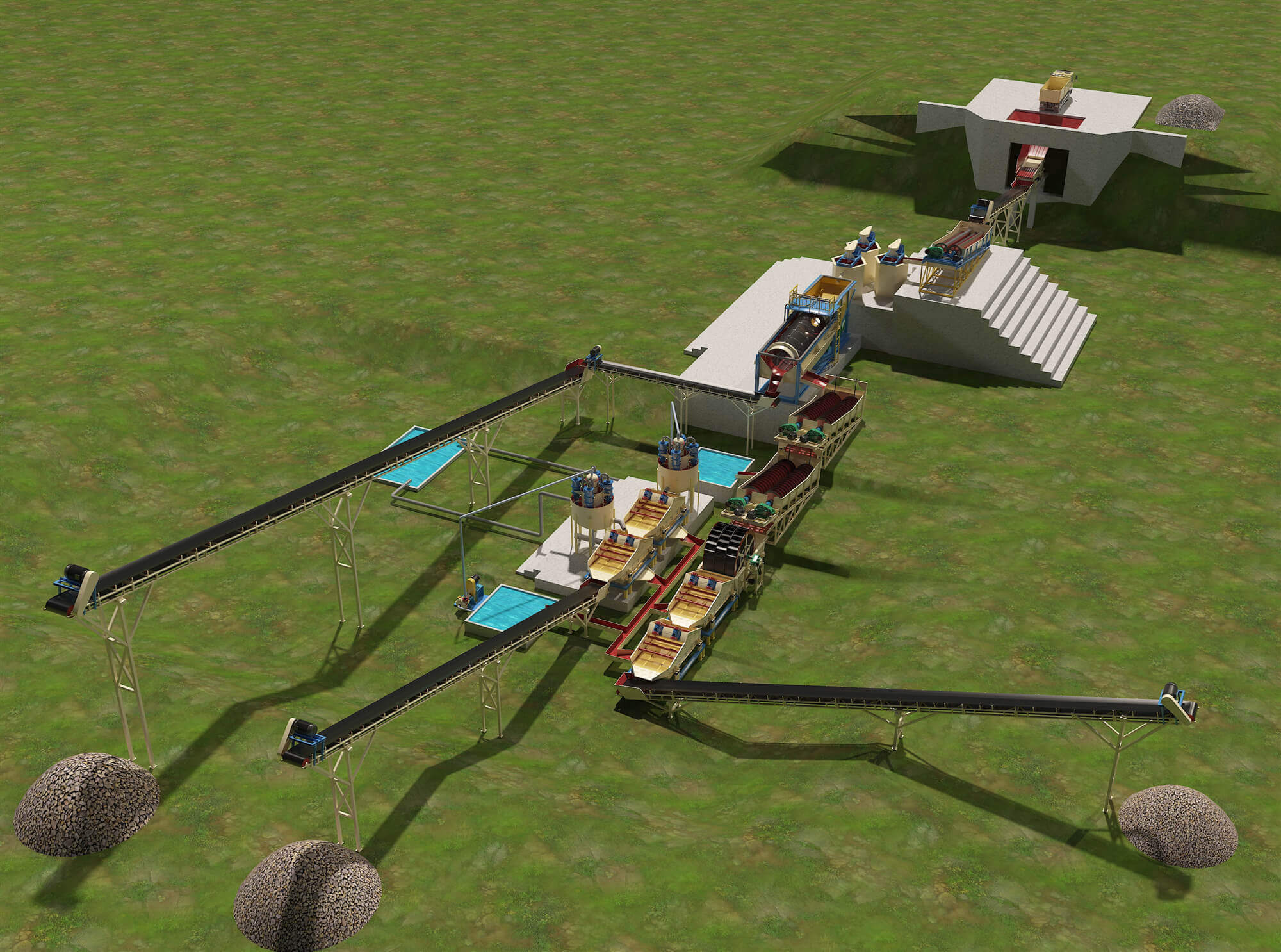
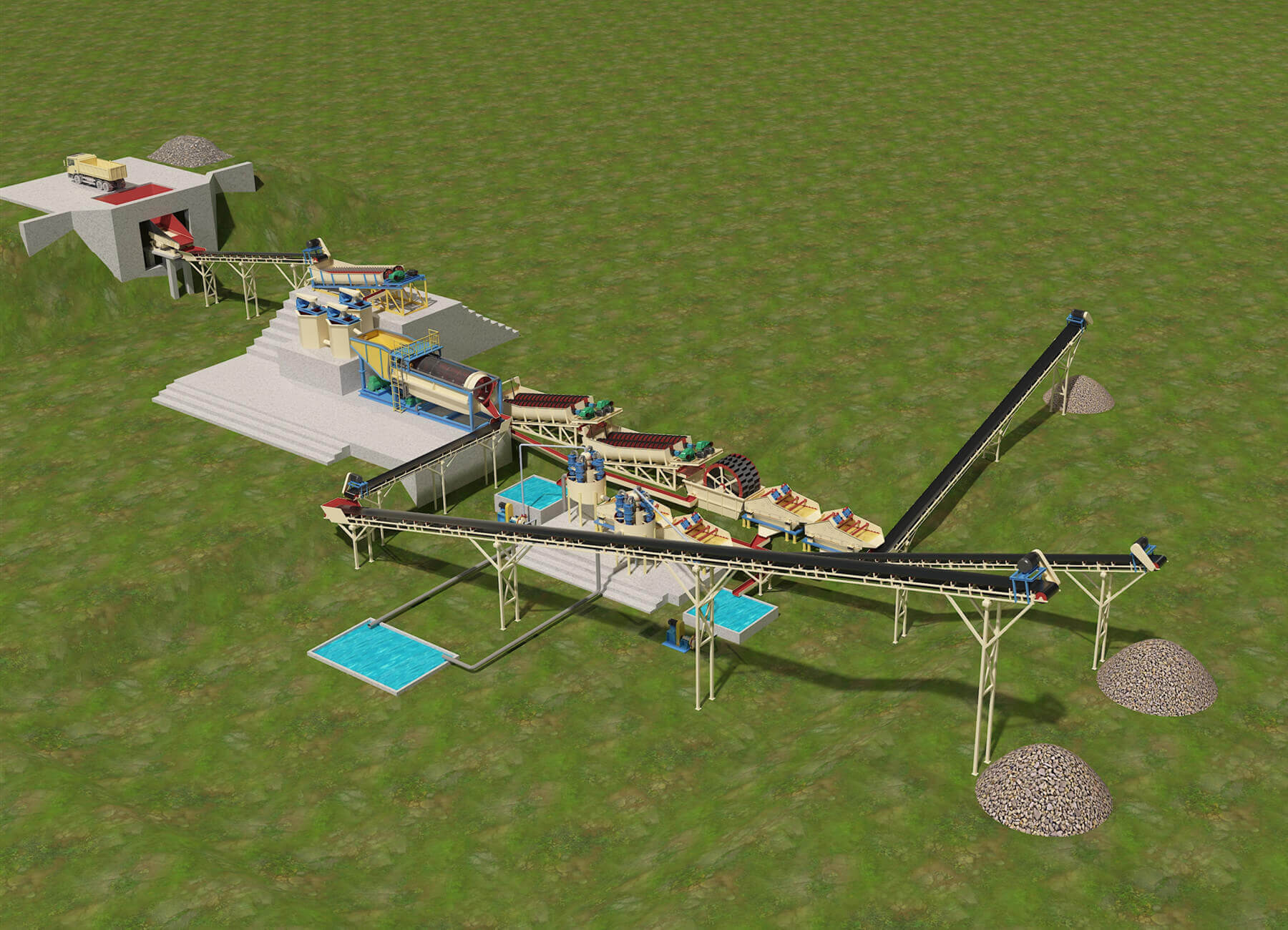
Planta de proceso de reciclaje de caolín 150TPH
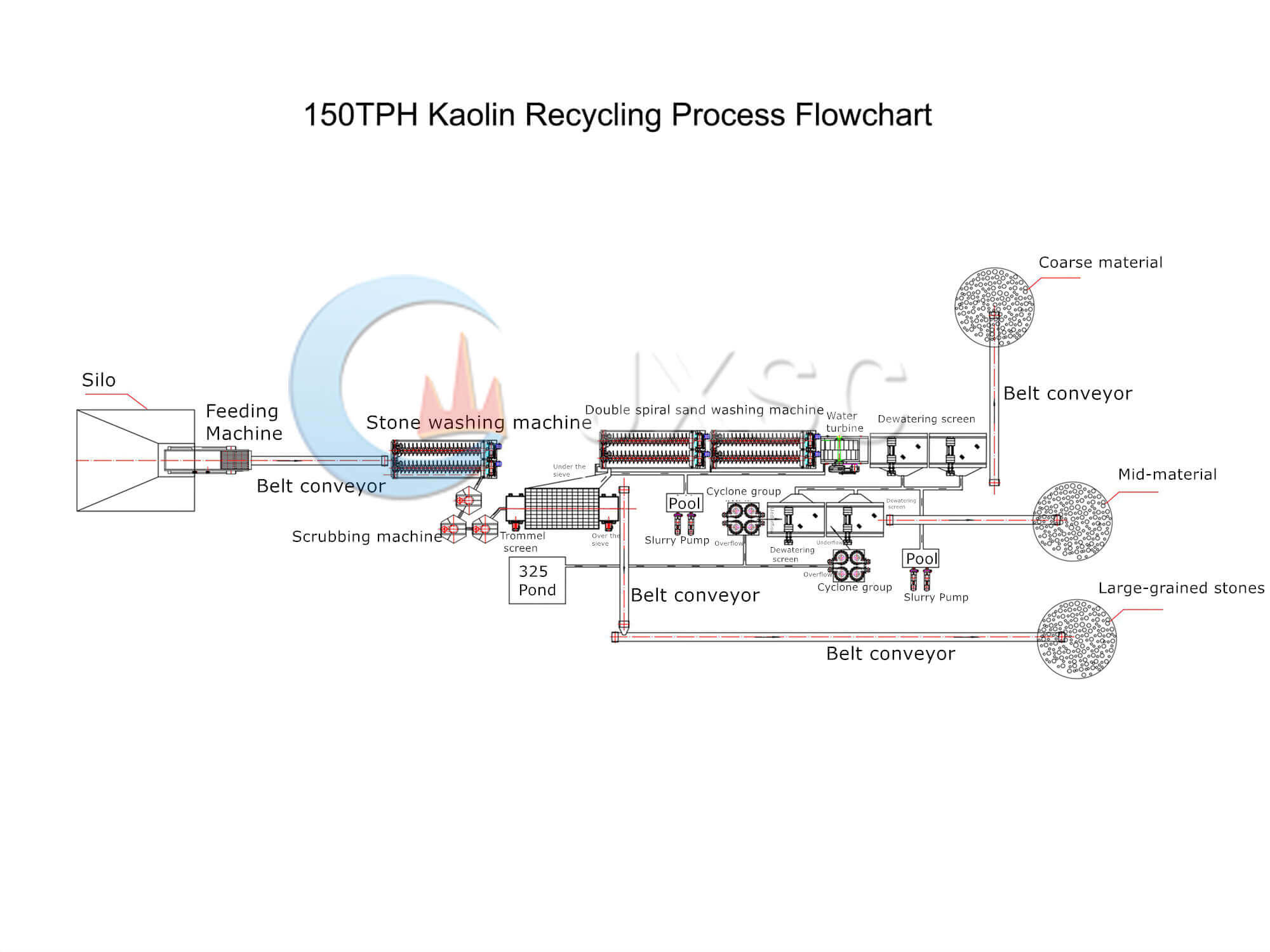
150TPH Recycling Process Overview (Flowchart Explained)
- Utilice una carretilla elevadora o una excavadora para alimentar las materias primas a la tolva, y un alimentador debajo de la tolva alimentará uniformemente las materias primas a la cinta transportadora, y el cinta transportadora will send the raw materials to the log washer. The function of the log washer is to disperse, stir, and clean the agglomerated kaolin clay.
- Se introduce el lavador por atrición para una mayor limpieza. La función del depurador de atrición es frotar y desprender mejor el limo pegajoso del caolín.
- After washing by the attrition scrubber, the material then enters the trómel de cribado to screen out big waste stones, which are sent to a far place by belt conveyor, and the material under the screen enters the double spiral sand washer.
- El rebosadero de la primera etapa de la doble espiral lavadora de arena is kaolin concentrate, the underflow goes to the second stage of the spiral sand washer for further washing, the overflow of the second stage is kaolin concentrate, and the underflow goes to the wheel sand washer.
- The overflow from the wheel sand washer is the concentrate, and the underflow goes to the dewatering screen.
- Los materiales bajo la pantalla de la primera criba de deshidratación are the kaolin concentrate, the over-screen materials go to the second dewatering screen for further dehydration, over screen materials of the second dewatering screen are coarse particle waste. Use a belt conveyor to send away, and under the sieve is the concentrate.
Kaolin Concentrate under the screen of two dewatering screens into a 2# pond.
El concentrado de caolín procedente de los desbordamientos de los dos lavadores de arena en espiral y del lavador de arena de ruedas se introduce en la balsa 1#. - Utilice la bomba para lodo to send 1# pond concentrate into 1# cyclone group, and the overflow of the cyclone group is kaolin concentrate, underflow flows to the dewatering screen for dehydration. And under the screen of the dewatering screen is a concentrate which goes into the 2# pond. Over the screen, materials are medium particles of waste, which are transported away with a belt conveyor.
The under-screen concentrates of 4 dewatering screens are all in a 2# pond, and they are pumped to a 2# grupo ciclón con una bomba de lodo. El flujo inferior del grupo de ciclones 2# va a la criba de deshidratación, y el flujo superior es concentrado de caolín. - Por último, el rebose de los dos grupos de ciclones (concentrado de caolín) fluirá a la balsa de 325 concentrados.
Planta de reciclaje de caolín
 |
 |
 |
||
 |
 |
 |
Plant Layout Features
Our optimized layout ensures:
- Efficient material flow
- Minimal cross-contamination
- Compact footprint
- Easy maintenance access
Key Equipment in the Recycling System
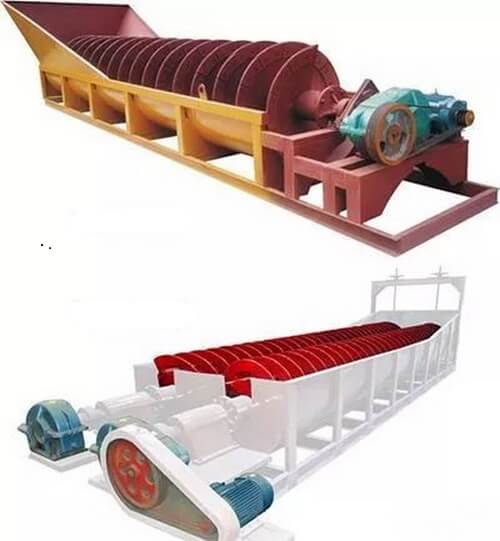 Lavadora de arena en espiral Lavadora de arena en espiral |
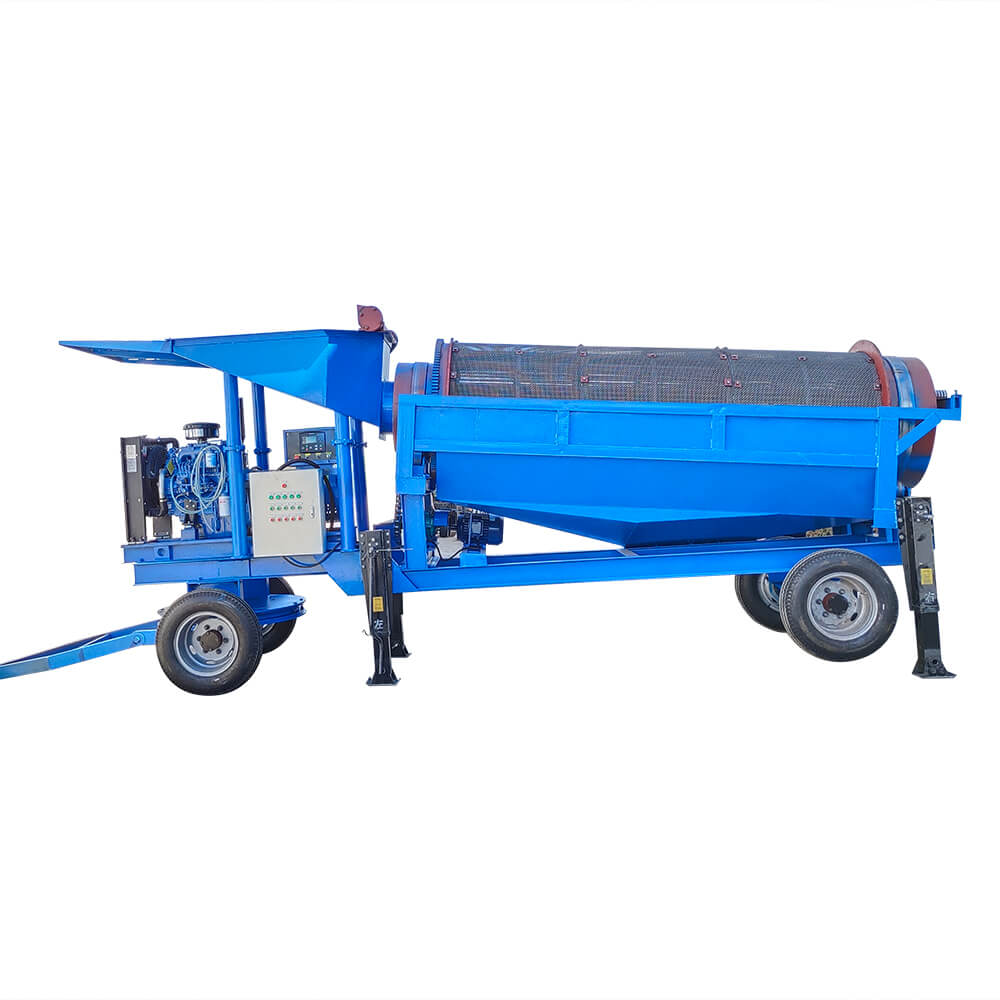 Criba Trommel Criba Trommel |
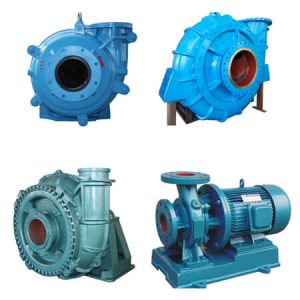 Bombas para lodos Bombas para lodos |
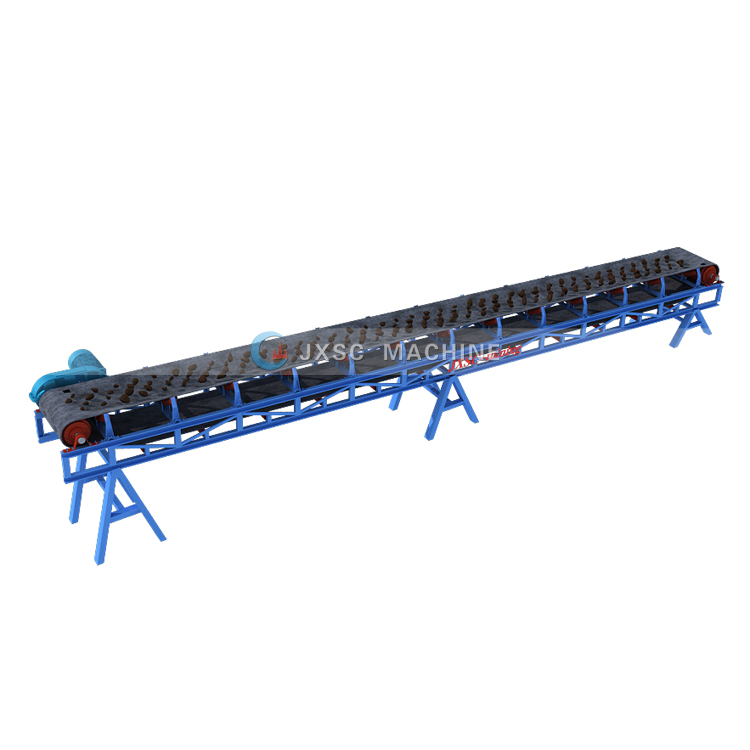 Cinta transportadora Cinta transportadora |
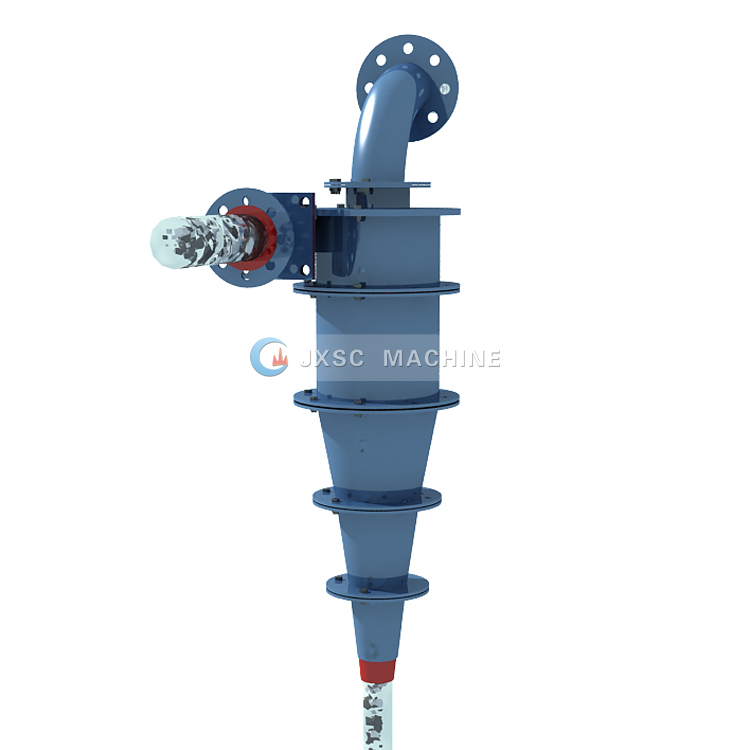 Hidrociclón Hidrociclón |
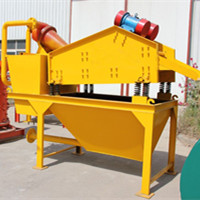
Tamiz de desagüe |
This complete 150TPH solution maximizes kaolin recovery while addressing environmental responsibilities through comprehensive tailings processing. The multi-stage system ensures high-quality output suitable for industrial applications while minimizing waste.
ÚLTIMOS PRODUCTOS
-

SFM-8 Lab Grinder
【Max. Power Consumption】 150W 【Morta…
-
Cyclosizer
【Feeding Capacity】< 100g/time 【Feeding …
-
JKZ/2JKZ Mine Shaft Sinking Hoist
【Power Source】Electric Motor Drive 【Motor Spee…


 English
  French
  Spanish
  Portuguese
  Indonesian