



Gold ore processing faces critical challenges in crushing and grinding. These issues directly impact production efficiency and gold recovery rates. Many mines struggle with unstable particle sizes and wasteful energy use.
The main problems in gold ore crushing and grinding include inconsistent particle sizes, inefficient equipment operation, poor grinding uniformity, improper media selection, clay interference, and outdated manual control methods. These issues can reduce gold recovery by 5-15% while increasing energy consumption by 20-30%.
Understanding these problems is just the first step. Let’s examine each challenge in detail and explore practical optimization strategies that can transform your operation.
What Are the Most Common Problems in Gold Ore Crushing and Grinding Processes?
Every day, gold processing plants lose valuable material due to preventable crushing and grinding issues. These problems silently eat into your profits while increasing operational costs.
The seven most frequent operational problems are: 1) unstable crushing results, 2) inconsistent particle size control, 3) low equipment efficiency, 4) uneven grinding fineness, 5) improper grinding media selection, 6) clay content interference, and 7) outdated manual control systems. Together, they form major barriers to optimal gold recovery.
Detailed Analysis of Core Problems
1. Crushing Instability
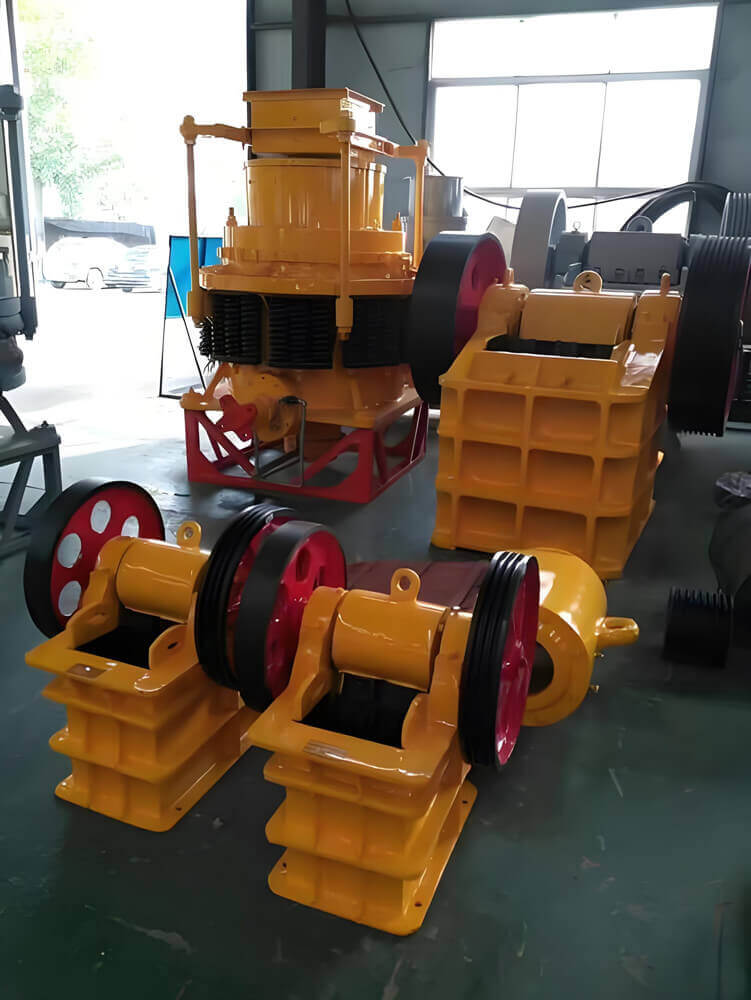
The primary ore from some gold mines is characterized by high hardness and a dense structure; for example, in quartz vein-type gold deposits, the massive raw ore is difficult for crushing equipment to break down effectively. This directly leads to a sudden increase in the load on crushers, a significant drop in processing efficiency per unit of time, and even frequent instances of ore jamming and material blockages, which severely disrupt production continuity. At some mines, due to inconsistent crushing performance, daily throughput can fluctuate by more than 30% of the design capacity, significantly impacting the execution of production schedules.
2. Particle Size Issues
Significant fluctuations in the particle size of crushed products and inconsistent feed sizes entering the grinding mill are typical issues in the crushing and grinding process.
- Undercrushed coarse ore significantly increases the grinding load on milling equipment and prolongs the grinding time.
- Over-crushed fine ore constitutes ineffective crushing, which not only increases energy consumption during the crushing stage but may also lead to the sludging of gold particles—when fine slurry envelops gold particles, it prevents effective contact with the gold minerals during subsequent gold recovery processes, directly reducing gold recovery rates.
3. Equipment Efficiency
Crushing and screening equipment that operates under heavy loads for extended periods is highly susceptible to severe wear on consumable parts such as liners, hammers, and screens. This not only increases maintenance and replacement costs but also leads to higher energy consumption and frequent blockages. More critically, if the processing capacities of primary, secondary, and tertiary crushing equipment are improperly configured, it can create bottlenecks in the production process. For example, if the primary crusher has excessive capacity while the tertiary crusher lacks sufficient capacity, a large backlog of ore will accumulate at the tertiary crushing stage, significantly reducing overall production efficiency.
4. Grinding Uniformity
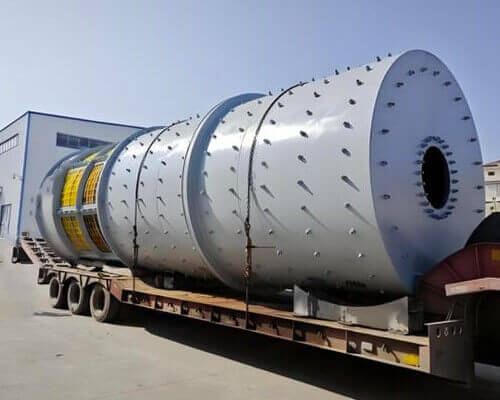
Variations in mill operating efficiency, liner wear, and operator practices can all lead to poor ore grinding results, resulting in two extreme scenarios: insufficient grinding or over-grinding. Insufficient grinding results in the incomplete liberation of gold minerals from gangue, making effective separation during subsequent beneficiation impossible. Over-grinding, in turn, causes gold particles to become muddied and leads to wasted energy. Both scenarios result in significant fluctuations in beneficiation indicators, making it challenging to maintain gold recovery rates at the designed level.
5. Media Problems
The size and ratio of grinding media (primarily steel balls) are key factors affecting grinding efficiency.
- If the steel balls are too large, they cannot effectively grind fine-grained ore, resulting in significant under-grinding.
- If the steel balls are too small, they lack the impact crushing capacity required for coarse-grained ore, which significantly prolongs the grinding time.
6. Clay Interference
When the clay content in raw gold ore is high (such as in weathered gold deposits or mixed deposits of placer and bedrock gold), fine clay adheres extensively to the surface of the ore. On the one hand, this reduces the impact and crushing effects between ore particles, leading to decreased crushing efficiency; on the other hand, the fine clay clogs the discharge openings of crushers and the screen apertures of screening equipment, resulting in abnormal ore particle sizes, a sharp drop in equipment processing capacity, and even equipment shutdowns or malfunctions.
7. Control Limitations
Currently, some small and medium-sized gold ore processing plants still rely on manual, experience-based adjustments to control key parameters of the crushing and grinding process, such as the discharge size of crushers, the feed rate of mills, and slurry concentration. When ore properties change (such as fluctuations in ore hardness, clay content, or grade), manual adjustments are difficult to make in a timely and precise manner. This prevents the crushing and grinding system from quickly adapting to changes in the ore, resulting in persistent fluctuations in production metrics.
How to Systematically Optimize Gold Ore Crushing and Grinding Systems?
Fixing gold processing problems isn’t about quick fixes. It requires understanding the entire mineral processing chain and making coordinated improvements.
Effective optimization includes: implementing “more crushing, less grinding” principles, precise size control, optimized grinding regimes, proper media selection, clay management, automation systems, and comprehensive ore testing. Systematic approaches can increase recovery by 3-8% while reducing energy use by 15-25%.
Implementation Strategies
1. Crushing Circuit Optimization
- Add a tertiary crushing stage
- Install high-pressure grinding rolls (HPGR) where appropriate
- Typical results:
25-40% reduction in grinding feed size
10-20% energy savings in grinding
2. Particle Size Control
- Install online particle size analyzers
- Implement automatic crusher gap adjustment
- Target narrow size ranges (e.g., 10-12mm for SAG mill feed)
3. Grinding Improvements
- Conduct grind-optimization tests
- Consider staged grinding approaches
- Key parameters to monitor:
Mill power draw
Circulating load
Classification efficiency
4. Media Optimization
- Conduct grinding media audits
- Optimal media size formula:Media Size (mm) = 25.4 × (F80^0.5 × Wi^0.5) / (SG × D^0.33 × RPM^0.5)
- High-chrome media typically lasts 2-3× longer than forged steel
5. Clay Management
- Add scrubbing equipment before grinding
- Consider hydrocyclones for clay removal
- Typical benefits:
15-30% reduction in reagent consumption
Improved thickening and filtration
6. Automation Systems
- Install online analyzers (size, density, grade)
- Implement model-based control systems
- Case study results:
±2% stabilty in P80 size
5-8% throughput increase
7. Ore Testing Program
- Conduct full geometallurgical testing
- Develop ore-specific processing protocols
- Create dynamic adjustment matrices
Conclusión
Optimizing gold ore crushing and grinding requires addressing seven key problem areas through systematic improvements. By implementing modern control strategies, proper equipment selection, and comprehensive ore testing, plants can significantly improve recovery rates while reducing operating costs. The most successful operations combine technical upgrades with ongoing process monitoring and adjustment. These methods have proven to increase profits while future-proofing operations against declining ore grades.
ÚLTIMOS PRODUCTOS
-

SFM-8 Lab Grinder
【Max. Power Consumption】 150W 【Morta…
-
Cyclosizer
【Feeding Capacity】< 100g/time 【Feeding …
-
JKZ/2JKZ Mine Shaft Sinking Hoist
【Power Source】Electric Motor Drive 【Motor Spee…


 English
  French
  Spanish
  Portuguese
  Indonesian