



Many iron ore producers can increase iron grade, but they still struggle to meet the strict requirements of modern green steel plants. Poor concentrate quality leads to lower recovery, higher energy use, and lower profits. I have found that the right beneficiation process can change all of these results.
Ultra-pure iron concentrate is produced through a series of mineral processing steps that remove silica, alumina, phosphorus, sulfur, and other unwanted minerals while increasing the total iron (Fe) grade. Modern beneficiation combines crushing, grinding, classification, magnetic separation, flotation, and other advanced purification methods to produce concentrates with more than 71% Fe for direct reduction and low-carbon steel production.
The iron ore industry is changing faster than ever. Steel producers now expect cleaner raw materials. Governments also ask for lower carbon emissions. I have seen this trend grow year after year. That is why I believe understanding ultra-pure iron concentrate is no longer only for engineers. It is now important for every mining company that wants to stay competitive.
What Is Ultra-pure Iron Concentrate?
Many people think all iron concentrate is the same. I once believed that simply increasing the iron grade was enough. I soon learned that impurities matter just as much as iron content.
Ultra-pure iron concentrate is a premium iron ore product with a very high iron grade, usually above 71% Fe, and very low levels of sílice, alumina, phosphorus, sulfur, titanio, and other gangue minerals. It is mainly used for direct reduced iron (DRI), electric arc furnace (EAF) steelmaking, and other high-quality steel products where raw material purity directly affects productivity and emissions.
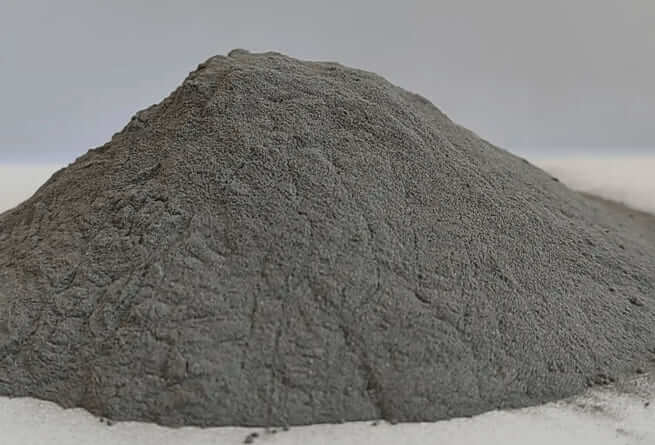
When I visit mineral processing plants, I always ask one simple question. What does the customer really need? Years ago, many steel mills accepted concentrates with 65% Fe. Today, many direct reduction plants ask for much higher grades and much lower impurity levels. This change has pushed mining companies to improve their beneficiation flowsheets.
Ultra-pure iron concentrate differs from ordinary concentrate in that it prioritizes both iron recovery and impurity removal. A concentrate with high silica may still have a good iron grade, but it creates more slag during ironmaking. More slag means higher energy use and higher production costs. Low phosphorus and sulfur are also important because they affect the quality of finished steel.
The following table shows a simple comparison.
| Product | Fe Grade | Silica Content | Typical Application |
| Standard Concentrate | 62–66% | Alto | Blast Furnace |
| Premium Concentrate | 67–69% | Medio | Pellet Plants |
| Super Concentrate | 70–71.5% | Bajo | DRI Production |
| Ultra-pure Concentrate | Above 71.5% | Very Low | Green Steel & High-purity Iron |
I also notice that customers now ask about particle size, moisture, and mineral liberation. These factors can influence pellet quality and reduction efficiency. A good concentrate is no longer judged by one number. It is judged by its complete chemical and physical profile.
Why Is Iron Concentrate Quality Becoming the Most Important Factor in Green Steel Production?
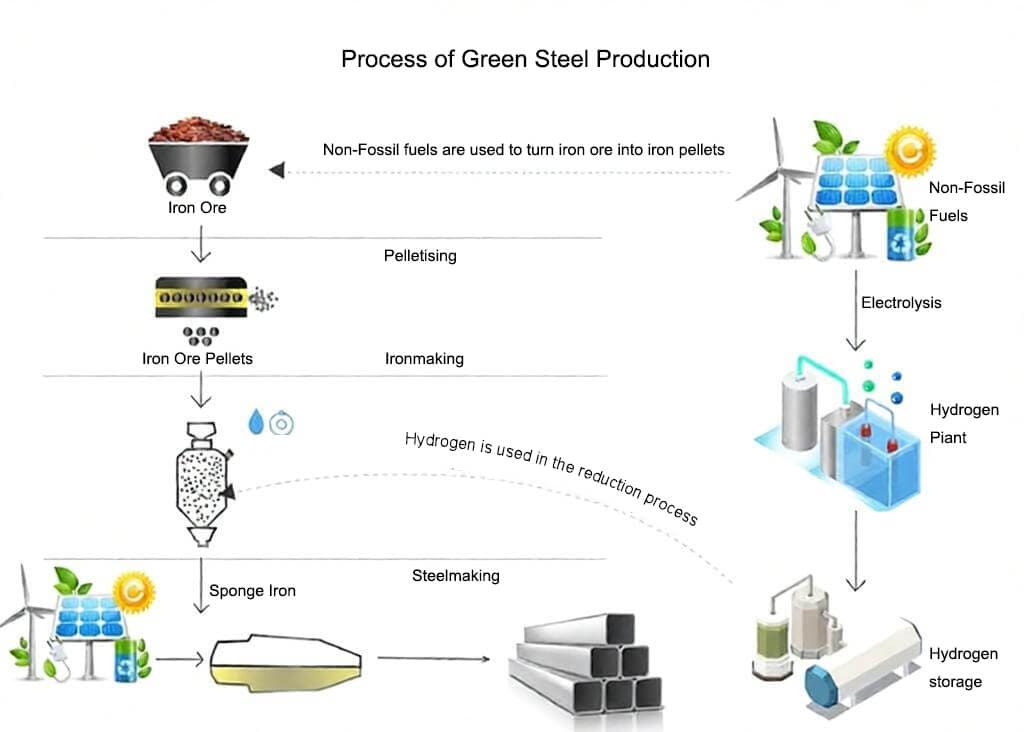
Steel companies face pressure from customers and governments to reduce carbon emissions. Many producers invest in hydrogen and electric furnaces, but they cannot achieve good results if the iron concentrate still contains high levels of impurities.
High-quality iron concentrate improves direct reduction efficiency, reduces slag generation, lowers energy consumption, decreases carbon emissions, and increases steel quality. Cleaner feed materials also reduce operating costs because less waste must be removed during ironmaking.
I often explain this idea with a simple example. Imagine two trucks carrying the same weight of iron concentrate. One truck contains 65% iron. The other contains 71.5% iron. The second truck carries much more useful iron and much less waste rock. The steel plant pays to transport both trucks, but only one delivers the maximum value.
The same idea applies inside a steel plant. Every kilogram of silica or alumina becomes slag. Producing slag requires heat. Heat requires energy. More energy means more fuel or more electricity. The operating cost increases at every step.
The demand for direct reduced iron has also changed concentrate specifications. Hydrogen-based reduction works best with high-grade concentrates because impurities can slow reduction reactions and increase operating costs.
The following table summarizes the effect of concentrate quality.
| Quality Factor | Effect on Steelmaking |
| Higher Fe Grade | Higher productivity |
| Lower Silica | Less slag formation |
| Lower Alumina | Better furnace operation |
| Lower Phosphorus | Higher steel quality |
| Lower Sulfur | Improved mechanical properties |
| Better Liberation | Higher recovery during beneficiation |
I have also seen customers become interested in environmental performance. High-grade concentrates reduce waste throughout the value chain. They require less coke in traditional blast furnaces and improve the performance of hydrogen direct reduction. This makes concentrate quality an important part of the green steel transition rather than only a mining issue.
What Is the Beneficiation Process for Ultra-pure Iron Concentrate?
Producing ultra-pure iron concentrate is much more complex than simply crushing and separating ore. Every stage removes different impurities and prepares the material for the next process.
En iron beneficiation process usually includes crushing, grinding, classification, magnetic separation, gravity separation, reverse flotation, dewatering, and quality control. Some plants also use advanced technologies such as triboelectrostatic separation, selective grinding, and intelligent process control to produce concentrates suitable for direct reduction and ultra-high-purity iron production.
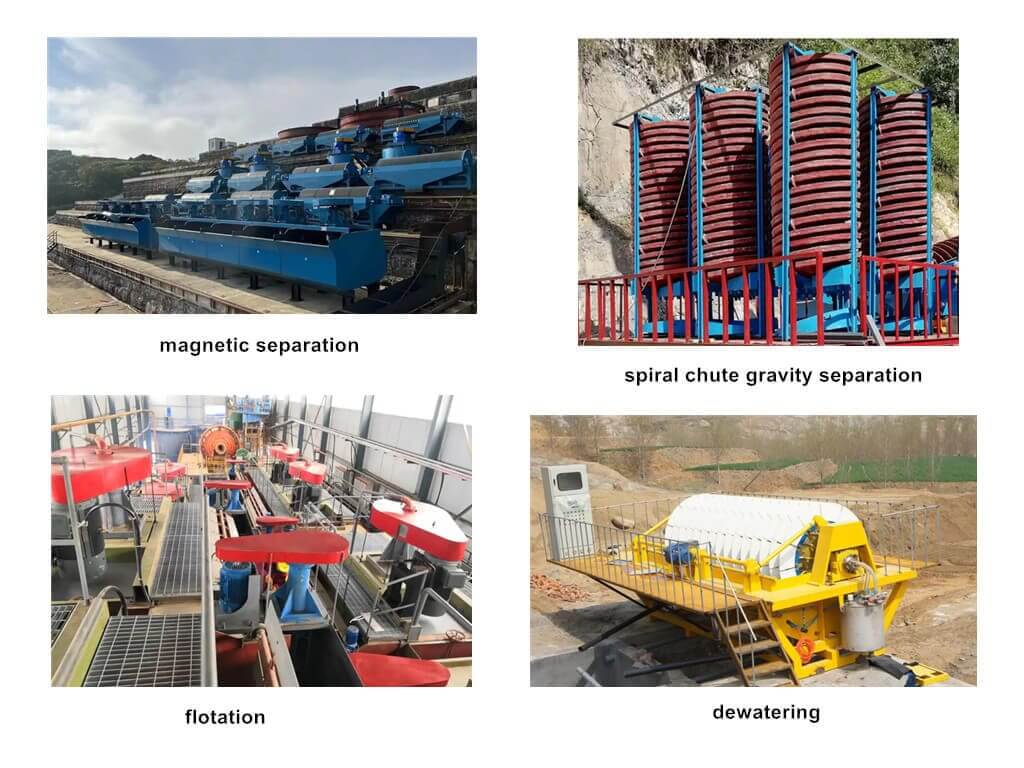
I like to think of beneficiation as a chain. Every step depends on the quality of the previous one. A mistake during crushing can reduce liberation. Poor grinding can lower magnetic separation efficiency. Incorrect flotation reagent dosage can increase silica content.
A modern beneficiation plant normally follows these steps.
Typical Process Flow
| Escenario | Main Purpose |
| Trituración | Reduce ore size |
| Rectificado | Liberate iron minerals |
| Clasificación | Control particle size |
| Separación magnética | Recover magnetic iron minerals |
| Separación por gravedad | Remove heavy gangue when suitable |
| Reverse Flotation | Remove silica and other impurities |
| Deshidratación | Produce transportable concentrate |
| Quality Testing | Verify chemical specifications |
Reverse flotation has become one of the most important technologies for the production of premium concentrates. Instead of floating iron minerals, this process floats silica away from the iron concentrate. Modern flotation reagents can reduce silica to extremely low levels while maintaining high iron recovery.
Some companies also introduce dry beneficiation technologies such as triboelectrostatic belt separation. These systems use electrical charging instead of water to separate minerals. This approach saves water and reduces reagent consumption, especially in dry mining regions.
I also see more companies adopting online analyzers and artificial intelligence. Sensors monitor concentrate grade in real time. Process control systems automatically adjust grinding, magnetic separators, and flotation reagent dosage. These improvements help plants produce more stable concentrate quality with lower operating costs.
How Has Beneficiation Evolved from Simple Magnetic Separation to Intelligent Multi-stage Purification?
Many older concentrators relied almost entirely on magnetic separation. That method worked well for some magnetite ores, but modern steel production demands much cleaner concentrates than magnetic separation alone can provide.
Modern beneficiation combines multiple separation technologies with digital monitoring, advanced mineral characterization, and intelligent process optimization. The goal is no longer only to recover iron. The goal is to remove every unnecessary impurity while maintaining high recovery and low operating costs.
When I compare old plants with new concentrators, the difference is easy to see. Earlier plants often followed a simple flow of crushing, grinding, magnetic separation, and filtration. Today’s plants may include several grinding stages, multiple separadores magnéticos, reverse flotation circuits, fine particle classification, automated sampling, and digital control systems.
The development can be summarized below.
| Traditional Process | Modern Intelligent Process |
| Single magnetic separation | Multi-stage magnetic separation |
| Manual sampling | Online analyzers |
| Fixed operating settings | AI-based optimization |
| Wet processing only | Wet and dry beneficiation |
| Focus on recovery | Focus on purity and recovery |
Artificial intelligence is becoming another important tool. Machine learning can predict concentrate grade before laboratory results are available. Digital twins can simulate plant performance under different operating conditions. These technologies help operators respond more quickly to changes in ore quality.
I believe the next generation of beneficiation plants will combine mineral processing with automation, renewable energy, and hydrogen-ready concentrate production. The industry is moving from simple ore upgrading toward complete resource optimization. Companies that invest in cleaner and smarter beneficiation today will be better prepared for the future of green steel.
Conclusión
Ultra-pure iron concentrate has become a key raw material for modern steelmaking. Higher iron grade and lower impurities improve productivity, reduce energy use, and support low-carbon steel production. I believe the future belongs to beneficiation plants that combine advanced separation technologies with intelligent process control. As customer requirements continue to rise, companies that invest in efficient and sustainable beneficiation processes will gain both technical and commercial advantages.
ÚLTIMOS PRODUCTOS
-

Inclined Vibrating Screen
The inclined vibrating screen is a simple and eff…
-
High Temperature & Pressure Gold Desorption Electrolysis System
High-Temperature & Pressure Gold Desorption Elect…
-
Normal Temperature & Pressure Gold Desorption Electrolysis System
The normal temperature & pressure gold desorption…


ÚLTIMAS NOTICIAS
- Shaking Table, 3-Disc Dry Magnetic & Electrostatic Separator for W-Sn-Ta-Nb
- Mineral Analysis: The Foundation for Successful Mineral Processing Projects
- What Is Over-Grinding and How Can It Be Prevented?
- Fluorspar vs Graphite vs Quartz: Non-Metal Minerals Beneficiation Differences
- Tailings Dam Safety: 5 Critical Parameters to Monitor
 English
  French
  Spanish
  Portuguese
  Indonesian