



Non-ferrous metal oxide ores, such as copper, lead, and zinc oxides, often pose significant challenges in processamento de minerais due to their complex composition, poor floatability, and fine dissemination characteristics. Unlike sulfide ores, oxide minerals typically exhibit weaker collector adsorption and lower selectivity during conventional flotation processes. Therefore, specialized flotation techniques have been developed to enhance recovery rates and optimize concentrate grades. This article explores the characteristics of non-ferrous metal oxide ores and examines key flotation methods—including sulfidation, organic acid flotation, and leaching-precipitation-flotation—that enable efficient mineral separation and economic extraction.
Characteristics of Non-ferrous Metal Oxide Ores
Sulfide minerals in nature are transformed into oxide minerals by the action of oxygen and ions in air or water. This oxidation process mainly occurs in the upper part of the deposit, and the thickness of the oxide layer varies depending on geological conditions, typically ranging from 10 to 50 meters. Based on the percentage of metals in the ore existing as oxide minerals, ores can be classified into oxide ores, sulfide ores, and mixed ores. Specifically, ores with an oxidation rate exceeding 30% are classified as oxide ores; those with an oxidation rate below 10% are sulfide ores; and those in between are classified as mixed ores. The main components of non-ferrous metal oxide ores include copper oxide, lead oxide, and zinc oxide ores.
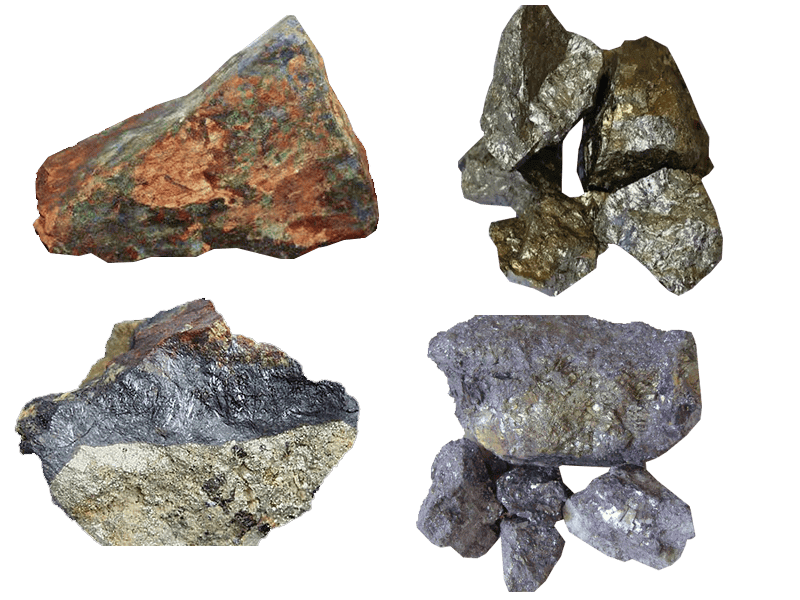
Non-ferrous metal oxide ores possess a series of unique characteristics, such as complex structure, fine disseminated grain size, high brittleness and susceptibility to mud formation, diverse mineral composition, significant differences in floatability, and the frequent presence of large amounts of slime and soluble salts. Furthermore, the properties of oxide ores vary significantly between different deposits, and even different sections of the same deposit can exhibit significant variations in oxidation levels and ore properties. These characteristics make the flotation of oxide ores relatively difficult.
Non-ferrous Metal Oxide Ores Flotation
Sulphidization Method
In the flotation process, the main copper oxide minerals we commonly encounter are malachite and azurite, which have high copper content but moderate density and hardness. Other minerals include chrysocolla and cuprite. For these non-ferrous metal oxide minerals, fatty acid collectors exhibit good collecting properties, but unfortunately, their selectivity is poor, especially when the gangue is a carbonate mineral, making it difficult to improve the concentrate grade.
During sulfidation, the dosage of sodium sulfide is usually controlled within the range of 1–2 kg/(t raw ore). It should be noted that because sulfiding agents such as sodium sulfide are easily oxidized and have a short reaction time, the resulting sulfidation film is not very stable and may detach during vigorous stirring. To avoid this, the sulfiding agent should be added in batches and can be added directly to the first cell of the flotation machine without pre-stirring. Furthermore, the pH value of the pulp also affects the sulfidation rate; generally, the lower the pH value, the faster the sulfidation rate. When the slime content is high and dispersion is required, a dispersant such as water glass can be added. Meanwhile, the collector is generally butyl xanthate or a mixture of butyl xanthate and xanthate. During the flotation process, the pH of the pulp needs to be maintained at around 9. If the pH is too low, lime can be added as needed to adjust it.
Organic Acid Flotation Method
Organic acids and their soaps are highly effective for the flotation of malachite and azurite. This method is suitable if the gangue minerals are not carbonates. However, if the gangue contains a large amount of floatable iron and manganês minerals, it will affect the selectivity of the flotation and reduce the performance indicators. When using organic acid collectors, gangue depressants such as sodium carbonate, water glass, and phosphates, as well as pulp conditioners, are often added.
In addition, there are instances where sulfidation and organic acid flotation are combined. First, copper sulfide and some copper oxide are floated using sodium sulfide and xanthate, and then the remaining copper oxide is floated using organic acids.
Leaching-Precipitation-Flotation Process
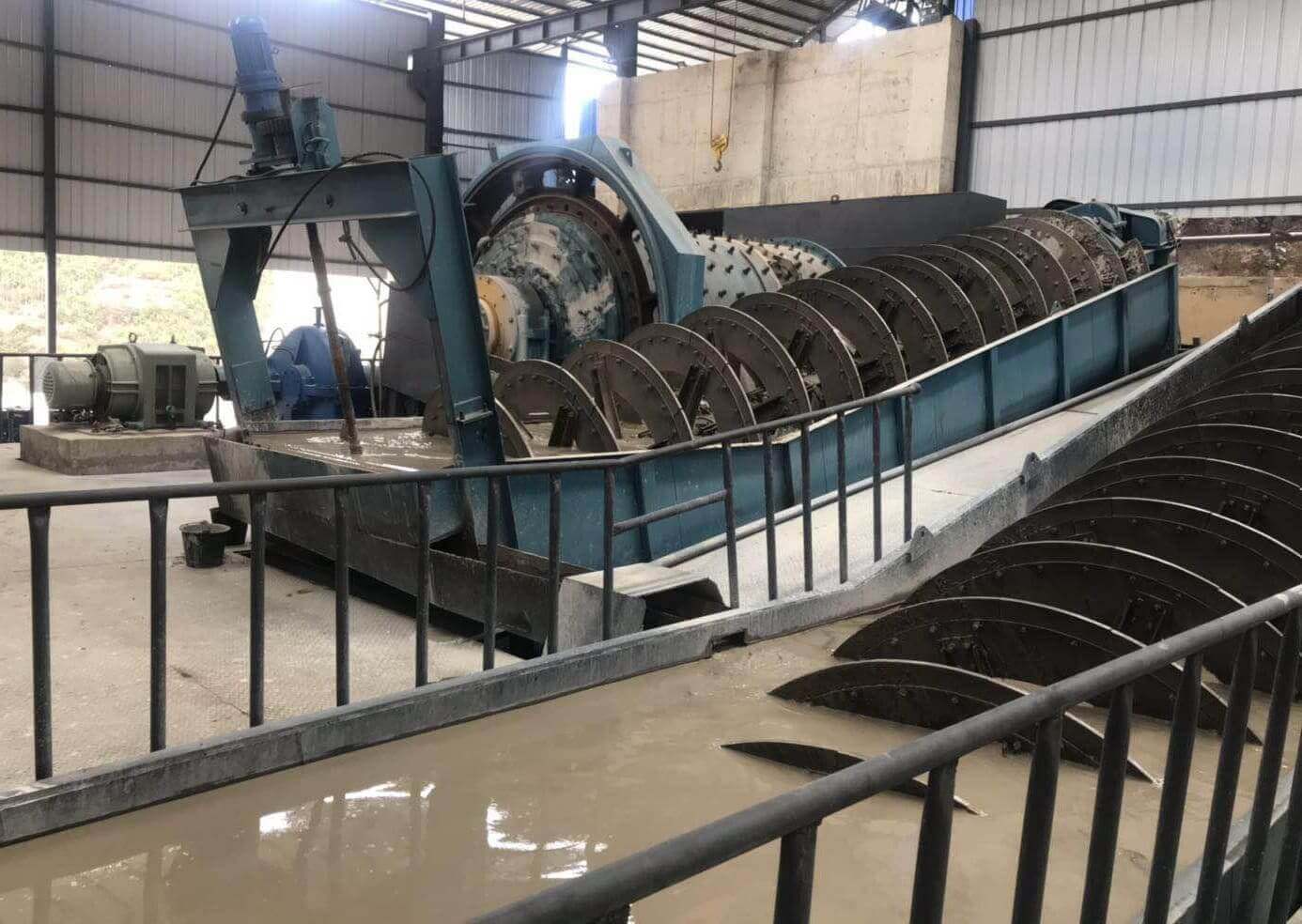
When sulfidation and organic acid methods fail to meet requirements, the leaching-precipitation-flotation method can be attempted. This method utilizes the easy solubility of copper oxide minerals in sulfuric acid. First, copper ions are released from the ore through leaching, then iron powder is used for displacement, causing metallic copper to precipitate. Finally, the precipitated copper is floated to obtain a concentrate. During implementation, the ore needs to be ground to achieve monomer liberation according to the mineral distribution and particle size. The leaching solution should be controlled as a 0.5%–3% dilute sulfuric acid solution. For ores that are difficult to leach, leaching can be performed by heating to 45–70°C. Flotation is carried out under acidic conditions, and commonly used collectors are cresol black or biflavonoids.
Ammonia Leaching-Sulfide Precipitation-Flotation Process
If the ore contains a high amount of alkaline gangue, acid leaching becomes too costly. An ammonia leaching-sulfide precipitation-flotation method can be considered. In this method, the ore is finely ground, and then sulfur powder is added for ammonia leaching. During the leaching process, copper ions react with NH3 and CO2, and are precipitated by sulfide ions to form new copper sulfide particles. After ammonia recovery and copper sulfide flotation, good indicators can be obtained. However, attention must be paid to ammonia recovery to avoid environmental pollution.
Segregation-Flotation Process
O Segregation-Flotation Process is suitable for processing difficult-to-process oxidized copper ores, especially ores with high mud content, where bound copper accounts for more than 30% of the total copper, and ores containing large amounts of chrysocolla and cuprite. This method generates copper chloride through chlorination reduction roasting, which volatilizes from the ore and is reduced to metallic copper in the furnace, adsorbed onto coal particles, and then separated by flotation. The advantage of this method is that it can comprehensively recover gold, silver, and other rare metals, but the energy consumption and cost are relatively high.
Flotation of Mixed Copper Ores
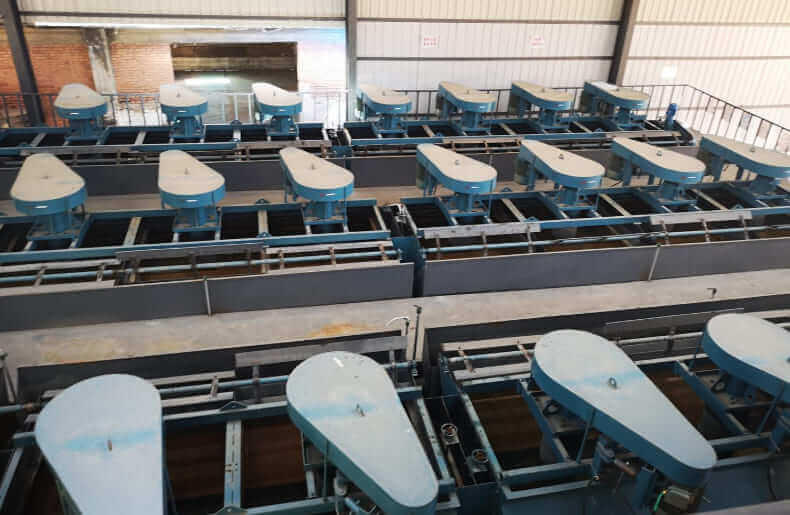
The flotation process for mixed copper ores needs to be determined experimentally. Methods can be used to simultaneously float sulfide and oxide minerals, or sulfide minerals can be floated first, followed by oxide minerals. During the flotation process, the dosage of sodium sulfide and the collector needs to be adjusted according to the oxide content in the ore. In foreign countries, the processing technology for oxide copper ores often employs sulfide flotation and acid leaching-precipitation-flotation methods.
Conclusão
Non-ferrous metal oxide ore flotation remains a critical yet challenging aspect of mineral processing, requiring tailored techniques to overcome poor natural floatability and achieve competitive recovery rates. Methods such as sulfidation, organic acid flotation, and leaching-precipitation approaches have proven effective in enhancing mineral selectivity and concentrate quality. As extraction technologies advance and environmental considerations grow more stringent, further optimization of these methods will be essential for sustainable metal production. Continued research into novel reagents, hybrid processes, and automation holds promise for improving both efficiency and profitability in the flotation of oxide ores.
PRODUTOS MAIS RECENTES
-

SFM-8 Lab Grinder
【Max. Power Consumption】 150W 【Morta…
-
Cyclosizer
【Feeding Capacity】< 100g/time 【Feeding …
-
JKZ/2JKZ Mine Shaft Sinking Hoist
【Power Source】Electric Motor Drive 【Motor Spee…


 English
  French
  Spanish
  Portuguese
  Indonesian