
newbg

Les 10 premières mines d'or du monde 2019

Date de publication:01 août 2019

Did you know the world’s 10 largest gold mines contribute over 10% of global production in the 2019 production rankings revealed? In this exclusive guide, we’ll tour these colossal operations that literally move mountains to extract precious metals.

The World’s Gold Production at a Glance

  • 2018 global output: 3,503 tons (+61 tons from 2017)
  • Top 10 mines produced in 2019: 346.06 tons collectively
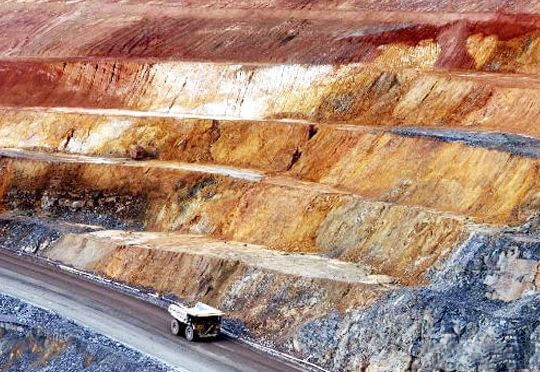
 

Top 10 Gold Mines in the World: 2019 Production Rankings Revealed

1. Muruntau Gold Mine

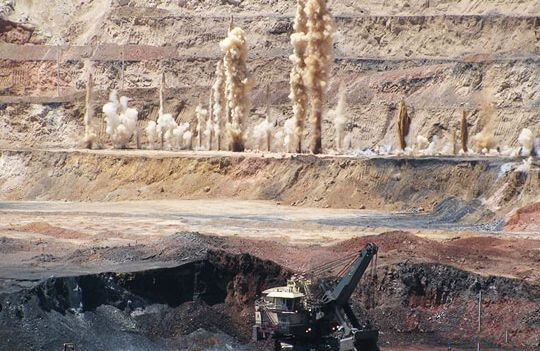
Mine d'or de Muruntau

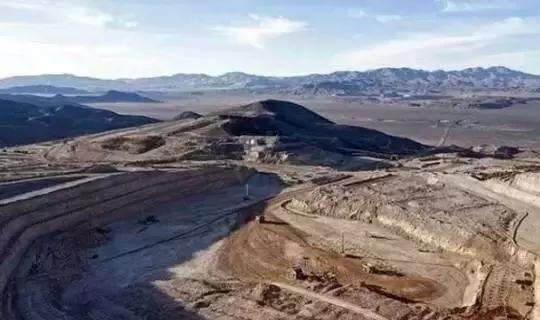
Muruntau est located in the hinterland of the Zilkum Desert in Uzbekistan and is owned by the Uzbek government.

It is easily awarded the title of the world’s largest gold mine, producing almost twice as much as the second-ranked mine. However, GFMS pointed out that the mine’s information is not transparent because the Muruntau mine has long been a state secret.

2. Pueblo Viejo Mine

Mine de Pueblo Viejo

Pueblo Viejo is a mine jointly developed by Barrick Gold and Canadian Gold, with a 6:4 shareholding ratio. The mine is located in the Dominican Republic, and its production increased by 22.65% year-on-year in 2017.

3. Goldstrike Mine

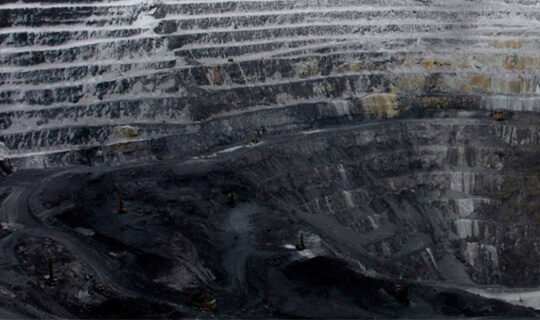
Mine Goldstrike

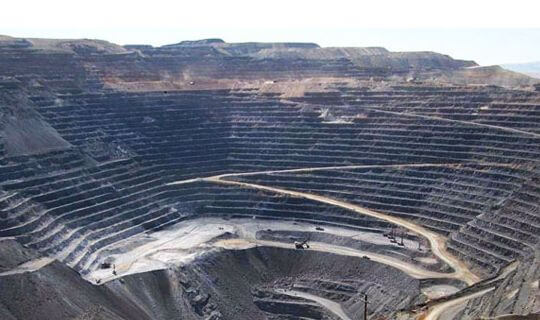
Goldstrike Gold Mine est one of Barrick Gold’s largest gold mines en Nevada, USA. The mine se compose de an open-pit mine and two underground mines. As of December 31, 2017, Goldstrike’s gold reserves were 251.94 tons. In 2018, the mine is expected to produce between 28.3 tons and 29.58 tons at a production cost of $910/oz to $980/oz.

4. Grasberg Mine

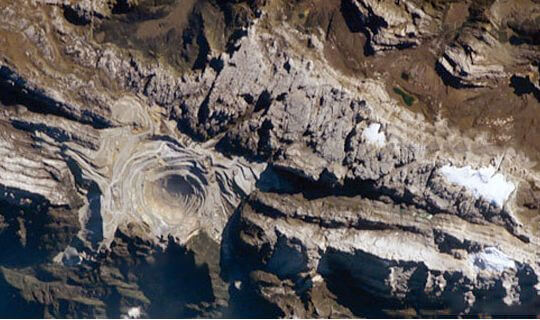
Mine d'or de Grasberg

Grasberg est un copper-gold mine en Indonesia. Freeport-McMoRan mainly owns the mine, and the Indonesian government owns approximately 9% of the shares. The mine has been in operation since 1990, but has recently faced some problems: Freeport-McMoRan and the Indonesian government have disputed the terms of the contract, which may result in the loss of thousands of workers.

5. Cortez Mine

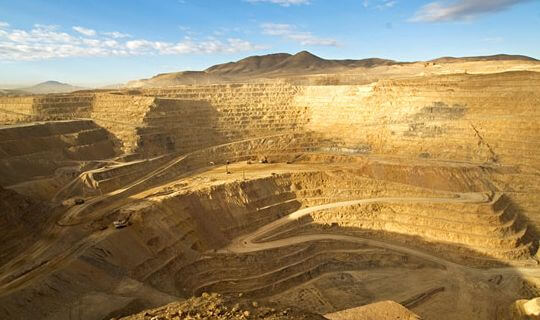
Mine d'or de Cortez

Cortez is another large mine owned by Barrick Gold, located in Nevada, USA. The gold production of the Cortez gold mine increased by 6.11% year-on-year in 2017, is expected to be between 38.88 tons and 40.12 tons in 2018, and the annual maintenance cost is $430/ounce to $470/ounce. As of December 31, 2017, the mine’s gold resource reserves were 317.26 tons.

6. Lihir Mine

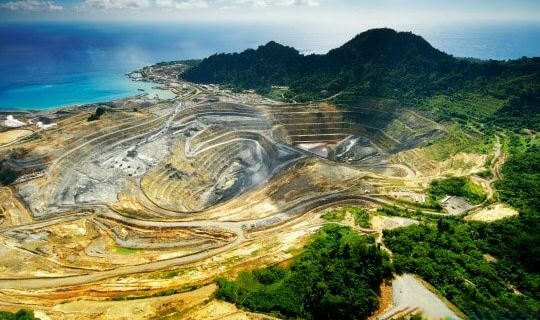
Mine de Lihir

Lihir était acquired by Newcrest Mining in 2010. The mine is located on Lihar Island in Papua New Guinea. Since 1997, the mine has produced 311 tons of gold.

7. Carlin Mine

Mine de Carlin

Carlin est un Newcastle-owned gold mine en New South Wales that includes Phoenix, Long Canyon, and Twin Creeks. Mine’s output increased by 6.14% in 2018.

8. Olimpiada Mine

Mine Olimpiada

Olimpiada est located in Russia and is an open-pit mine owned by Polar Gold. The Olympia gold mine began production in 1996 and is the company’s largest gold business. The mine’s gold reserves reached 936.22 tons. In 2018, the mine’s gold production increased by 17.88% year-on-year.

9. Boddington Mine

Mine Boddingtonc

Boddington est one of Australia’s largest gold mines. The mine was initially owned by three companies (Newmont, Anglo Ashanti, and New Jersey) and is now wholly owned by Newmont. The Bodington Gold Mine’s 2018 gold production increased by 10.62% year-on-year.

10. Kalgoorlie Super Pit Mine

Kalgoorlie Super Pit

Kalgoorlie Super Pit est located in Western Australia and is operated by a joint venture between Barrick and Newmont in a 5:5 ratio. The output of the mine will increase significantly due to the higher ore grade.

Global Gold Industry Insights: Key Trends and Takeaways


The world’s top 10 gold mines represent both engineering marvels and economic powerhouses, collectively producing 346+ tons annually—over 10% of global output. Here’s what makes them extraordinary:

1. Dominant Players

  • Barrick Gold et Newmont Mining lead the charge, operating half of these mega-mines—including Nevada’s prolific Cortez and Australia’s Kalgoorlie Super Pit.
  • Muruntau (Uzbekistan) stands alone, producing double the output of its nearest rival, but its state-secret status highlights transparency divides in the industry.

2. Geopolitical Hotspots

  • North America & Australia dominate with high-tech, large-scale operations, while Indonesia (Grasberg) et Papua New Guinea (Lihir) grapple with political complexities.
  • Mines span 5 continents, proving gold’s universal demand but uneven accessibility.

3. Growth Trends

  • 2018 was a boom year: 8 of 10 mines increased production, led by Pueblo Viejo (+22.65%) and Russia’s Olimpiada (+17.88%).
  • Corporate vs. State Models: Privately run mines (e.g., Barrick’s Nevada sites) showcase efficiency, while state-controlled assets prioritize secrecy.


  • These mines don’t just extract gold—they fuel global markets, spark tech innovation, and even reshape geopolitical alliances. Their excavated canyons rival natural wonders, yet their true impact lies in the economic and political currents they generate.


🔍 Want More? Explore our guides to:

Did you know? The combined waste rock moved annually by these mines could bury Manhattan!

    Nous contacter