



Introduction
Barytine, a critical non-renewable mineral resource, plays an indispensable role in industries such as oil & gas drilling, barium chemicals, and fillers. With increasing demand and finite natural reserves, efficient barite recycling has become essential to sustain industrial needs while minimizing environmental impact. This case study examines a 15TPH barite recovery plant in Morocco, showcasing the process flow, equipment used, and considerations for optimal recovery.
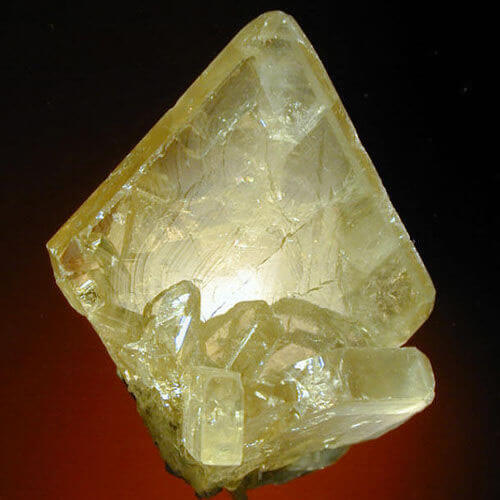
Pourquoi recycler la barytine ?
Drilling Mud Weighting Agent: In some oil wells and gas wells, drilling mud and clay have a specific gravity of about 2.5, and water has a specific gravity of 1, so the specific gravity of the mud is low. Sometimes the mud weight cannot be balanced with the underground oil and gas pressure. Cause a blowout accident. In the case of high underground pressure, it is necessary to increase the specific gravity of the mud. Adding barite powder to the mud is an effective measure to increase the specific gravity of the mud. The density of barite is high. Nearly 90% of the barite produced in the world is used as drilling mud for oil and natural gas. The production of barite is closely related to the rise and fall of the oil and gas drilling industry.
Price Volatility & Scarcity: La barytine est principalement utilisée dans les boues de forage pétrolier, de sorte que le prix du pétrole et la demande de barytine sont étroitement liés. Les prix mondiaux actuels du pétrole restent élevés et de nombreux pays envisagent de renforcer la prospection et l'exploitation pétrolières, ce qui entraînera inévitablement une augmentation de la demande mondiale de barytine.
With the uncontrolled development of barite minerals, resulting in a serious shortage of barite resources, the price of barite powder has risen again and again. Many oil companies have been helpless and have begun to find barite recycling methods, but with little effect. At present, some petroleum companies separate the barite from the waste liquid and then add it to the mixing station to mix with the newly added barite powder and mud. It is hoped that the barite can be recycled by this method. But different from the newly added barite, the recovered barite becomes very smooth under the action of friction during drilling and has an oil film attached to its surface, which follows the wall of the mixing tank under the action of the high-speed rotating mixer. It sinks to the bottom of the réservoir de mélange, so it is not feasible to recycle the barite by stirring; in most cases, the barite is thrown away once it is used, which not only wastes resources but also has an impact on the environment. Therefore, barite recycling is necessary to save resources and reduce the impact on the environment.
Barite Recovery Case: Morocco 15TPH Barite Recovery Plant
Matière première : Barytine
Capacité : 15TPH
Pays : Marocain
Alimentation Size : < 8 mm
Organigramme
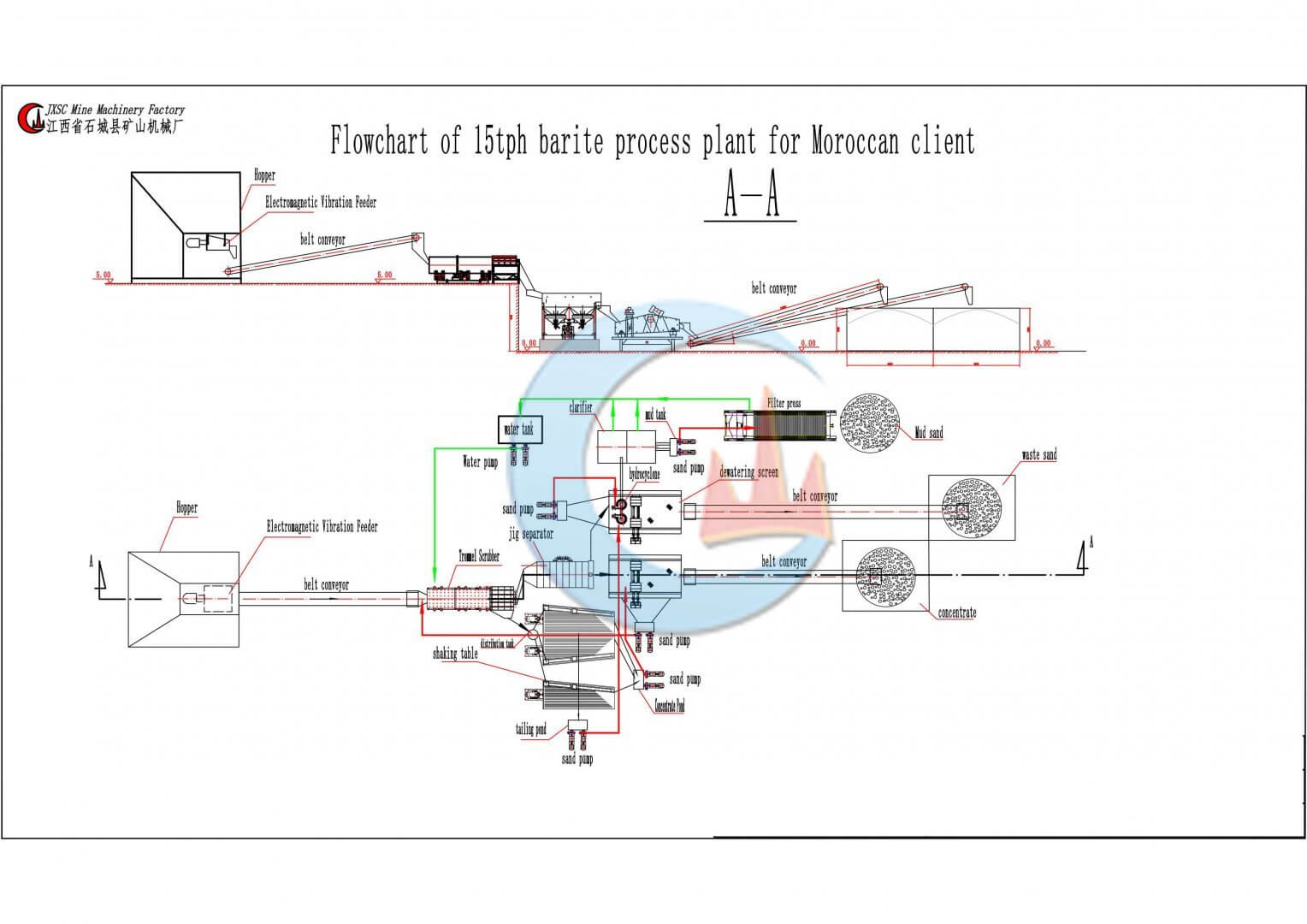
Equipment Used in This Barite Recovery Plant
- Trémie
- Alimentateur vibrant électromagnétique
- Laveur à tambour
- Tables à secousses
- Convoyeur à bande
- Séparateur à sas
- Tamis de déshydratation
- Pompe à sable
- Hydrocyclone
- Filtre-presse
- Pompe à eau
Explication de l'usine de traitement de la barytine
- The size of the barite raw material is less than 8mm. Load the raw material into the hopper.
- Utiliser le alimentateur vibrant électromagnétique to feed the barite raw material to the belt conveyor until the trommel scrubber.
- The under-screen (0- 2 mm) slurry of the laveur à tambour will go to a distribution tank and be fed to three sets of shaking tables.
- The over the screen (2-8mm) of the trommel scrubber will flow to the séparateur à jig.
- The concentrate from the shaking tables and jig separator will go to a concentrate pond and be pumped to a concentrate dewatering screen.
- The over-concentrate dewatering screen materials are concentrates will be conveyed away by belt conveyor to the concentrate zone.
- The under-concentrate dewatering screen materials will be pumped back to the trommel scrubber by a sand pump.
- The tailings of shaking tables and jig separator will go to a tailings pond and be pumped to a tailings dewatering screen.
- The over-tailing dewatering screen materials, waste sand, will be conveyed away by belt conveyor to the waste zone.
- The under-tailing dewatering screen materials will be pumped to the cyclone hydraulique by a sand pump.
- The underflow of the hydro cyclone will flow to the tailings dewatering screen.
- The overflow of the hydro cyclone will flow to clarifiers.
- The mud outlet of the clarifiers will go to a mud tank.
- The mud in the mud tank will be pumped to the filter press by a filter press feed pump.
- The clean water from the filter press and the clean water from the clarifier will be joined together and go to water tanks.
- L'eau contenue dans les réservoirs d'eau sera pompée vers l'épurateur à trommel par une pompe à eau.
The above barite process plant does not use matériel de broyage because the raw material in this case is 0- 8 mm. For larger mining ore, 3 crushers are recommended.
Recommended Rock Crushers
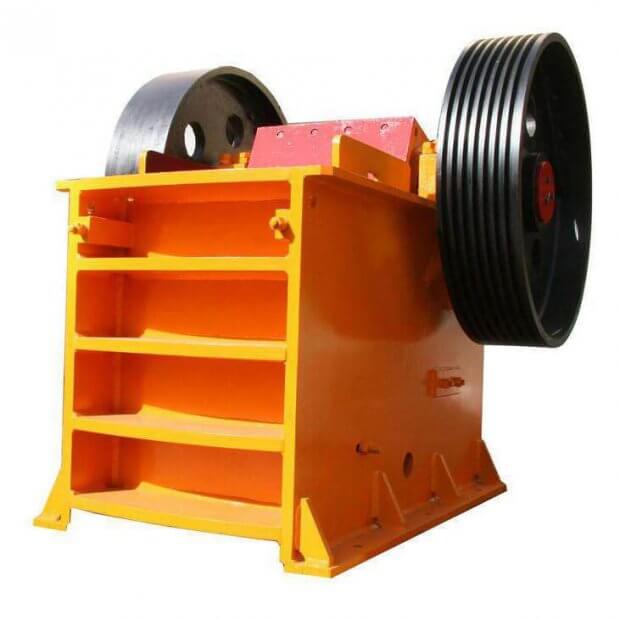
Concasseur à mâchoires
This is traditional equipment that is used by many users. It is very suitable for processing barite. The main features of a concasseur à mâchoires are:
- L'élément central de l'équipement est la plaque de mâchoire, qui est entraînée par le moteur pour que les plaques de mâchoire se pressent l'une contre l'autre afin d'achever l'opération de concassage, de sorte que la décharge est plus uniforme.
- Il existe de nombreux types de matériaux traités par cet équipement. Outre la barytine, il peut également broyer des matériaux de même dureté, notamment le marbre, le basalte, le calcaire, etc.
- Les exigences des utilisateurs étant de plus en plus élevées, ce dispositif a été considérablement amélioré en termes de fonction, de performance et de structure, de sorte que son taux d'application est élevé.
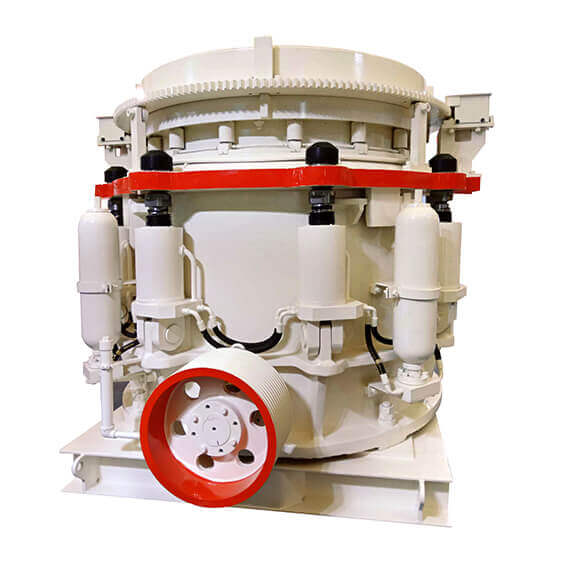
Concasseur à cône
Les concasseur à cône is a type of equipment with high technological content in the crushing field. It has the following advantages in the processing of barite:
- Ce dispositif adopte une structure tridimensionnelle, de sorte que son espace au sol est progressivement réduit, mais ses performances sont de plus en plus parfaites et ses fonctions de plus en plus nombreuses, ce qui permet de répondre aux besoins d'application réels des utilisateurs.
- Its production capacity is very large. In the process of developing this equipment, we attach great importance to the production capacity of the equipment, so its work efficiency will be higher, and the output will reach the ideal application standard of the user.
- Le rapport de broyage est une grandeur physique qui mesure l'uniformité des rejets de l'équipement de broyage. Plus le rapport de broyage est élevé, plus la décharge sera fine. Dans le cas contraire, l'état de fonctionnement de l'équipement est très stable et l'avantage du rapport de broyage peut être obtenu. réflechir.
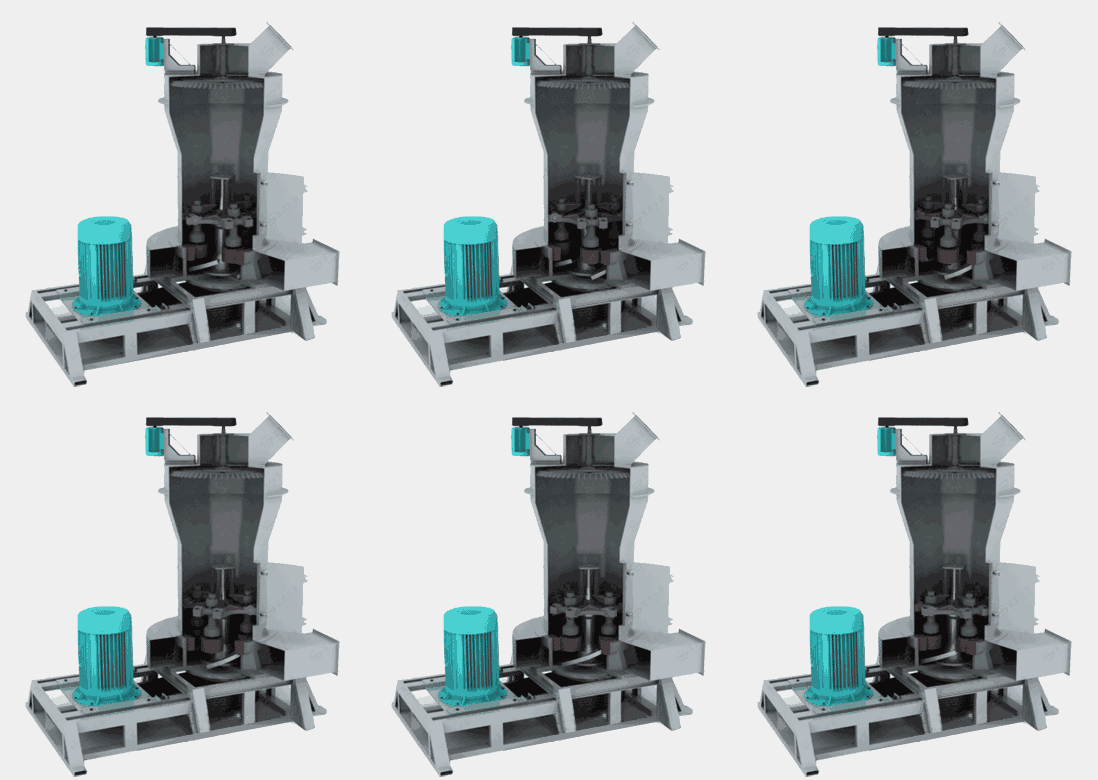
Moulin Raymond
Since barite is a non-metallic mineral, it is reasonable to process it with a Broyeur Raymond. This equipment has the following advantages:
- L'équipement peut réaliser la fonction d'auto-ajustement afin de répondre aux différents besoins des utilisateurs en termes de décharge, de sorte que son taux d'utilisation global sera plus élevé et qu'il pourra jouer une plus grande valeur pratique.
- Par rapport aux équipements de la génération précédente, le facteur de sécurité de ces équipements est très élevé. Nous avons installé un circuit de protection autour du moteur de l'équipement afin qu'il puisse jouer un rôle décisif dans la protection de l'équipement et éviter des dommages plus importants à l'équipement.
- Lors de la mise au point des équipements, nous procédons à un contrôle de qualité très strict. Nous nous efforçons d'atteindre la perfection dans chaque processus et procédé, de sorte que sa durée de vie est plus longue et qu'il peut être utilisé pendant 8 à 10 ans par rapport à des équipements similaires.
Conclusion
This Moroccan case demonstrates how a tailored 15TPH barite recovery plant integrates scrubbing, gravity separation, and water recycling to maximize resource reuse. For operations with larger ore (> 8 mm), supplementary crushers like jaw/cone crushers or Raymond mills are recommended.
Sustainable barite recovery not only conserves dwindling reserves but also aligns with environmental goals. For customized solutions, consult expert manufacturers like Machine JXSC to optimize your barite recycling process.
DERNIERS PRODUITS
-

SFM-8 Lab Grinder
【Max. Power Consumption】 150W 【Morta…
-
Cyclosizer
【Feeding Capacity】< 100g/time 【Feeding …
-
JKZ/2JKZ Mine Shaft Sinking Hoist
【Power Source】Electric Motor Drive 【Motor Spee…


 English
  French
  Spanish
  Portuguese
  Indonesian