Gold ore processing methods vary significantly depending on the ore’s physical, chemical, and mineralogical properties. For example, gold ore with a large difference in specific gravity and coarse grain size is generally treated by séparation par gravité; The difference in wettability of mineral surface, large or dilute gold ore with fine grain size is generally treated by the flotation separation method; For some complex refractory gold ores, to maximize gold recovery and recycle other useful ingredients, it is technically necessary to choose a multi-process joint process, which is economically justified.
1. Gravity Separation for Gold Ore
Gravity separation is ideal for ores where gold and gangue minerals exhibit:
- A large difference in specific gravity
- Coarse gold particle size
Key Gravity Separation Equipment from JXSC:
- Chutes à spirale (wear-resistant rubber-lined for extended durability)
- Gabarits
- Tables à secousses
Advantage:
- Longer equipment lifespan (4–6 times that of standard chutes)
- Lower operational costs
2. Flotation Separation for Fine-Grained & Low-Wettability Gold Ores
Flotation is preferred when:
- Gold particles are finely disseminated
- The surface wettability difference between gold and gangue is significant
Key Flotation Equipment:
- Machines de flottation (standardized)
- Auxiliary equipment (non-standard), including:
- Stirring tanks
- Reagent feeders
3. Complex & Refractory Gold Ores: Combined Processes
For challenging ores, a multi-process approach maximizes gold recovery while recycling other valuable minerals in an economically viable way.
Gold Ore Processing Methods for Two Major Ore Types
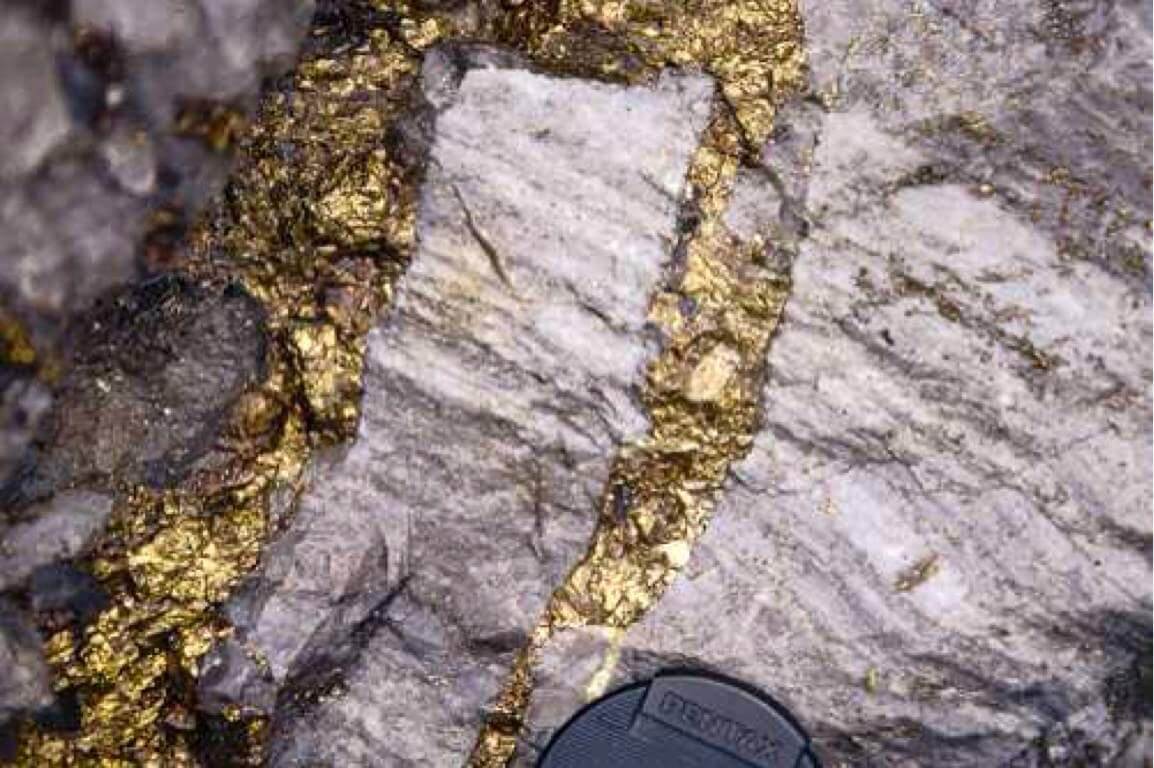
Il y a two main types of common gold ore: quartz vein type gold ore and sulfide gold-bearing ore. Below, we outline key techniques for two common gold ore types: quartz vein gold ore and sulfide gold-bearing ore, as well as the optimal equipment and processes for each.
Quartz Vein Gold Ore Processing
The quartz-vein-type gold ore beneficiation process is mainly cyanidation and flotation.
Cyanidation
The cyanidation method is used to leach gold or silver from gold or silver ore with an aqueous solution of an alkali metal cyanide as the solvent, and then extract gold or silver from the solution.
The extraction of gold and silver by cyanidation mainly includes cyanide leaching and deposition extraction steps.
- The cyanide leaching process includes two methods: tank leaching and heap leaching cyanidation.
- The deposition extraction method has a zinc addition method. (Zinc wire replacement method and zinc powder replacement method), activated carbon adsorption method (carbon slurry method, CIP and carbon leaching method, CIL), ion exchange resin method (resin slurry method, RIP and RIL), electrolytic deposition method, magnetic carbon method, and the like.
The determination of the process mainly depends on the particle size of gold and the symbiotic relationship with other minerals. In the case of contaminated or thin film-free gold on the surface of the ore, a part of the gold can be recovered by jig separator re-selection to reduce the tailings grade and reduce the cyanide leaching time.
Flottation
When the ore floatability is good, the quartz ore-bearing gold ore flotation can produce tailings treated by the cyanidation process, and the flotation tailings can be floated and then floated to improve the flotation recovery rate.
In most cases, cyanidation is more common in quartz vein-type gold ore. The main considerations are ore grinding fineness, cyanide concentration in the slurry, and leaching time. At the same time, in order to reduce the amount of cyanidation work, a process of re-cyanation of flotation concentrate can be employed.
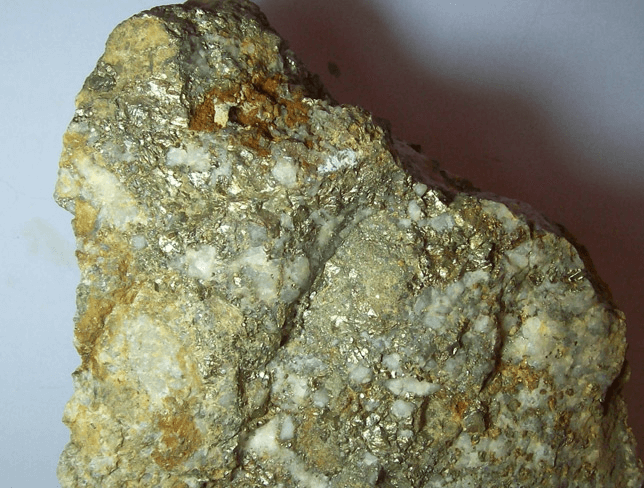
Sulfide-containing Gold Ore
Most gold-bearing sulfide ore can be treated by flotation, and some can be treated by cyanuration, or by a combination method, or by fusion, or by séparation par gravité.
The choice of the flotation or cyanidation process depends on the recovery rate of gold, the comprehensive utilization of associated minerals, etc.
- If the ore contains more coarse gold, it must be pre-selected because coarse gold is more difficult to dissolve in cyanide solution, and the flotation method is also difficult to recycle.
- When the surface of the gold particles is clean, and there is no harmful component in the ore, the amalgamation method is better than the gravity separation method.
- In the production practice, the commonly used gold-containing sulfide ore dressing process is: first flotation, flotation concentrate can be directly cyanidated, or can be cyanated after grinding, or by gravity separation and amalgamation.
Final Recommendations for Gold Processing Plants
- For the gold mining plant, try to adopt a mature, simple, and easy production process.
- Under this premise, there must be room for the selection of mineral processing equipment and the construction of the plant, which will provide conditions for future production development and process improvement.
- Optimize based on ore characteristics (e.g., particle size, mineral associations).
Conclusion
Understanding your ore type—quartz vein or sulfide gold-bearing—is key to selecting the most effective gold recovery process. Gravity separation, flotation, and cyanidation form the backbone of gold processing, with combined methods improving refractory ores’ recovery rates.
Would you like a tailored process flow design for your specific gold ore? Let’s optimize for maximum efficiency!






 English
  French
  Spanish
  Portuguese
  Indonesian