



What Are Non-Ferrous Metals?
In the narrow sense, the nonferrous metals refer to all metals except iron, manganese, and chromium. In a broad sense, non-ferrous metals also include non-ferrous alloys. Non-ferrous alloys are composed mainly of non-ferrous metal (usually greater than 50%) and contain one or more other elements.
Nonferrous metals are valued for their unique properties that outperform those of ferrous metals in many industrial applications.
Key Characteristics of Nonferrous Metals:
- Corrosion resistant
- Excellent conductivity (heat & electricity)
- Lightweight (for some types)
- Non-magnetic
- Malleable and ductile
Classification of Nonferrous Metals
Dans les applications pratiques, les métaux non ferreux sont généralement divisés en cinq catégories :
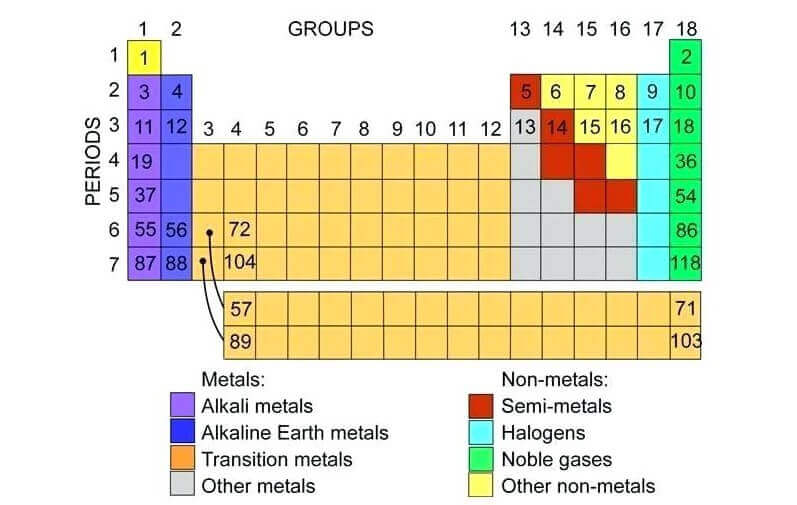
- Light Metals (Density < 4.5g/cm³): Aluminum, magnesium, potassium, sodium, calcium, strontium, barium, and the like.
- Heavy Metals (Density > 4.5g/cm³): Copper, nickel, cobalt, lead, zinc, tin, antimony, bismuth, cadmium, mercury, and the like.
- Precious Metals: The price is higher than that of common metals, the abundance of the crust is low, the purification is difficult, and the chemical properties are stable, such as gold, silver, and platinum group metals.
- Semi-metal: The property is between metal and non-metal, such as silicon, selenium, tellurium, arsenic, boron, and the like.
- Rare Metals: Including rare light metals such as lithium, strontium, barium, etc. Rare refractory metals such as titanium, zirconium, molybdenum, tungsten, etc.; Rarely dispersed metals such as gallium, indium, antimony, etc. Rare earth metals such as lanthanum, cerium, and lanthanide metals. Radioactive metals such as radium, francium, polonium, uranium, thorium, and the like.
You may also be interested in:
Méthodes de traitement des minerais sulfurés de métaux non ferreux
Qu'est-ce qu'un minéral de terre rare ? À quoi servent les terres rares ?
Nonferrous Metals List
La Chine a classé le fer, le chrome et le manganèse parmi les substances suivantes métaux ferreux en 1958.
Métaux non ferreux (à l'exception du métal noir 64 sortes de métal) comprennent : aluminium, magnésium, potassium, sodium, calcium, strontium, baryum, cuivre, plomb, zinc, étain, cobalt, nickel, antimoine, mercure, cadmium, bismuth, or, argent, platine, ruthénium, rhodium, palladium, osmium, iridium, béryllium, lithium, rubidium, césium, titane, zirconium, hafnium et vanadium, niobium, tantale, tungstène, molybdène, gallium, indium, thallium, germanium, rhénium, lanthane, cérium, praséodyme, néodyme, samarium, europium, gadolinium, terbium, dysprosium, holmium, erbium, thulium, ytterbium et lutécium, scandium, yttrium et thorium..
Nonferrous Alloys: Enhanced Performance
When nonferrous metals combine with other elements (>50% base metal), they form superior alloys with:
- Higher strength & hardness
- Improved temperature resistance
Common Alloys Include:
- Aluminum alloys (aircraft components)
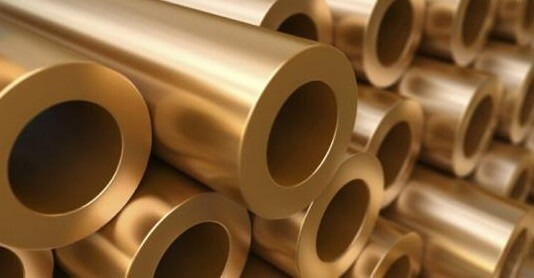
- Copper alloys (brass, bronze)
- Nickel superalloys (turbine blades)
The strength and hardness of non-ferrous alloys are generally higher than those of pure metals; the electrical resistance is larger than that of pure metals, the temperature coefficient of resistance is small, and it has good comprehensive mechanical properties.
Les alliages non ferreux couramment utilisés sont les alliages d'aluminium, les alliages de cuivre, les alliages de magnésium, les alliages de nickel, les alliages d'étain, les alliages de niobium, les alliages de titane, les alliages de zinc, les alliages de molybdène, les alliages de zirconium, etc.
Critical Applications Across Industries
Les métaux rares étant importants dans l'industrie moderne, ils sont parfois séparés des métaux non ferreux et deviennent une classe unique. Juxtaposés aux métaux ferreux et aux métaux non ferreux, ils constituent les trois grandes catégories de métaux.
Non-ferrous metals are not only the basic materials for the development of the national economy & people’s daily life, but also are essential materials and important matériaux stratégiques for the national defense industry and the development of science & technology. Agricultural modernization, industrial modernization, national defense, and the modernization of science and technology are all inseparable from non-ferrous metals. For example, cutting-edge weapons such as airplanes, missiles, rockets, satellites, nuclear submarines, and the components or components required for cutting-edge technologies such as atomic energy, television, communications, radar, and electronic computers are mostly made of light metals and rare metals in non-ferrous metals; There are no non-ferrous metals such as nickel, cobalt, tungsten, molybdenum, vanadium and niobium, and there is no production of alloy steel.
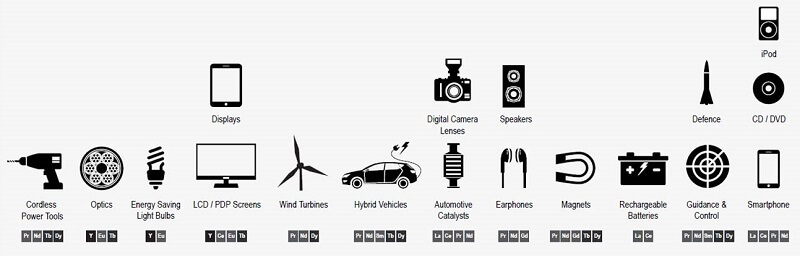
Aujourd'hui, les métaux non ferreux sont devenus une base matérielle importante pour déterminer le développement de l'économie, de la science et de la technologie d'un pays, ainsi que la construction de la défense nationale. Il s'agit d'une ressource stratégique essentielle pour renforcer la puissance globale du pays et préserver la sécurité nationale. Les pays industrialisés, en particulier, sont en concurrence pour développer l'industrie des métaux non ferreux et augmenter les réserves stratégiques de métaux non ferreux.
At JXSC Mining Solutions (since 1985), we provide cutting-edge mineral processing technologies for nonferrous metals extraction. Facing mineral processing challenges? Contact our experts today.
DERNIERS PRODUITS
-

SFM-8 Lab Grinder
【Max. Power Consumption】 150W 【Morta…
-
Cyclosizer
【Feeding Capacity】< 100g/time 【Feeding …
-
JKZ/2JKZ Mine Shaft Sinking Hoist
【Power Source】Electric Motor Drive 【Motor Spee…


 English
  French
  Spanish
  Portuguese
  Indonesian