



The coal industry remains a cornerstone of global energy and industrial production, but maximizing efficiency requires the right mining, processing, and equipment selection strategies. Whether you’re operating a large-scale mining complex or optimizing a washing plant, understanding extraction technology, beneficiation methods, and data-driven equipment choices is critical.
This guide explores three crucial aspects of modern coal production:
Coal Mining Equipment: Key Technologies from Extraction to Processing – (Digging deeper into excavators, longwall systems, and crushing tech)
Coal Washing Technology: From Rough Separation to Precision Processing – (How jigs, dense medium cyclones, and flotation refine raw coal)
How to Choose Coal Washing Equipment? – A 7-Factor Scientific Approach (Avoiding costly mistakes with smart selection criteria)
By the end, you’ll gain actionable insights to boost productivity, reduce costs, and meet environmental standards—all while leveraging the latest innovations.
Coal Mining Equipment: Key Technologies from Extraction to Processing
As a crucial component of the global energy system, coal mining and processing necessitate the use of modern mining equipment for efficient, safe, and environmentally friendly operations. From open-pit mining to underground operations, from crushing and screening to washing and quality improvement, the advancement of équipement minier directly affects the production efficiency, safety level, and sustainable development of the coal industry.
1. Coal mining equipment (mining stage)
(1) Open-pit mining equipment
- Electric shovels & hydraulic shovels: used for surface stripping and coal loading.
- Wheel loaders: flexible and efficient equipment for short-distance transportation.
- Dump trucks: with a load capacity of 300-450 tons, suitable for large-scale open-pit mines.
- Drilling equipment: used for drilling holes in rock formations before blasting.
(2) Underground mining equipment
- Longwall fully mechanized mining system (coal mining machine + hydraulic support + scraper conveyor): achieves efficient and automated coal mining.
- Continuous miners: Suitable for room-and-pillar mining.
- Mining winches and mine cars: Used for underground coal and material transportation.
- Tunnel boring machines: Used for rapid excavation in hard rock tunnels.
2. Coal Processing Equipment (Coal Preparation Plant)
(1) Crushing & Screening Equipment
- Jaw Crusher (Coal Crushing)
- Impact/Cone Crusher (Medium and Fine Crushing)
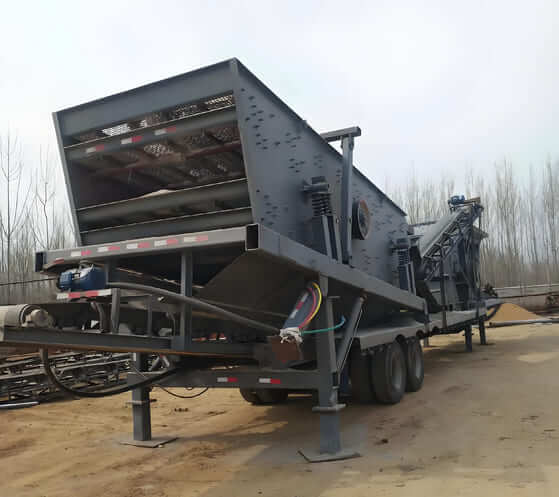
- Tamis vibrant (Classification Screening)
(2) Coal Washing Equipment (Coal Quality Improvement)
- Jig (Coal Separation)
- Heavy Medium Cyclone (High-Efficiency Separation of High-Sulfur Coal)
- Machine de flottation (Removal of Gangue and Sulfur from Fine Coal)
- Centrifugal Dewatering Machine (Reducing Coal Slurry Moisture)
3. Transportation & Storage Equipment
- Belt Conveyor (Long-Distance, High-Volume Transportation)
- Stacker/Reclaimer (Coal Storage Management)
- Ship Loader & Railway Rapid Loading System (Coal Export)
4. Coal Mine Safety and Intelligent Equipment
- Gas Monitoring System (Preventing Coal Mine Gas Explosions)
- Mine Inspection Robots (Reducing the Risk of Manual Mine Entry)
- 5G+ Intelligent Fully Mechanized Mining Face (Remote Control of Shearers, Automatic Shearer Frame Movement)
- VR Training System (Miner Safety Operation Training)
Future Trends: Green & Intelligent
- Low-Emission Equipment (Electric Mining Trucks, Hydrogen Drilling Rigs).
- Unmanned Mining (Level 4 Autonomous Driving Mining Trucks, AI Geological Prediction).
- Digital Coal Preparation Plants (Optimizing Coal Preparation Efficiency Based on Big Data).
Conclusion
The coal industry is transforming from a “labor-intensive” to a “technology-intensive” industry, with equipment upgrades being the core driving force. Future coal mines will be smarter, cleaner, and more efficient. Is your mine ready for this transformation?
Complete Guide to Coal Washing Equipment: From Rough Separation to Precision Processing
Coal washing is a critical process for the clean utilization of coal. Efficient washing equipment can significantly improve coal quality, reduce ash/sulfur content, lower transportation costs, and meet environmental regulations. This article systematically introduces various washing technologies, covering physical separation, chemical treatment, and smart advancements.
1. Key Processes in Coal Washing
The coal washing process typically includes four stages: “Preparation → Separation → Dewatering → Tailings Treatment,” with corresponding equipment as follows:
Raw Coal → Crushing & Screening → Separation (Jigging/Heavy Medium/Froth Flotation) → Dewatering (Centrifuge/Filter Press) → Clean Coal & Tailings Disposal
2. Core Washing Equipment & Technologies
(1) Separation Equipment (Dividing Coal and Gangue by Size/Density Differences)
| Equipment Type | Principe | Applicable Coal | Advantages/Limitations |
| Séparateur à sas | Pulsating water stratifies light coal and heavy gangue | Coarse coal (>6mm) | Low cost, but average precision |
| Dense Medium Cyclone | Separation using magnetite suspension density | Difficult-to-wash/high-sulfur coal | High precision (Ep 0.03~0.05) |
| Air Dense Medium Fluidized Bed | Gas-solid fluidized bed mimics liquid density | Arid regions/water-scarce mines | No water needed, strict size limits |
| Froth Flotation Cell | Bubbles adhere to hydrophobic coal particles | Fine coal (<0.5mm) | Reduces sulfur, but chemicals increase costs |
(2) Dewatering Equipment (Reducing Moisture in Clean Coal)
- Centrifuge (for particles >0.5mm, moisture reduced to 8%~10%)
- Filter Press (for coal slurry, moisture ≤20%)
- High-Frequency Vibrating Screen (pre-dewatering before centrifugation)
(3) Auxiliary Equipment
- Crusher (reduces feed size for better separation)
- Magnetic Separator (recovers magnetite from dense medium systems)
- Épaississeur (recycles water from tailings for reuse)
Cutting-Edge Technologies & Future Trends
(1) Smart Washing
- AI-Based Sorting Systems: XRT/XRF sensor-based dry separators reduce water usage.
- Digital Twin: Simulates washing plants in real time, optimizing chemicals and settings.
(2) Green Innovations
- Chemical-Free Flotation (e.g., electrolytic bubble technology).
- Dry Tailings Discharge (minimizes sludge pollution).
(3) Modular Design
- Containerized compact washing plants for decentralized mining operations.
Conclusion: The Future of Washing Equipment
Under China’s “Dual Carbon” goals, coal washing is shifting from focusing on efficiency gains to emphasizing clean value addition. Next-gen equipment will be smarter (IoT + AI), water-efficient (dry separation), and low-carbon (hydrogen-powered). Is your washing plant keeping pace with innovation?
How to Choose Coal Washing Equipment?
Improper selection can lead to low washing efficiency, increased operating costs, or substandard environmental performance. The following is an in-depth analysis of 7 key factors.
1. Identify Coal Quality Characteristics
Distribution de la taille des particules
- Lump Coal (>25mm): Prioritize a dynamic screen jig or an intelligent dry separator (XRT).
- Fine Coal (6-25mm): Dense Medium Cyclone (high precision) or a compound dry separator (water-saving).
- Coal Slurry (<0.5mm): Must use a flotation column + filter press combination.
Density Characteristics
Use floatation and sinking tests to determine the δ ± 0.1 content:
- <10% → Easy to Separate Coal (Jig is sufficient).
- 10%-20% → Medium Separability (Requires Dense Medium Separation).
- 20% → Extremely Difficult to Separate Coal (Requires a combined Dense Medium + Flotation Process).
Impurity Composition
- High-Sulfur Coal: Requires flotation desulfurization or microwave desulfurization equipment.
- High-Gange: Use a dual-stage crushing + pre-gangue discharge system.
2. Determine Product Positioning
| End Use | Key Indicators | Recommended Processed Route |
| Metallurgical Coking Coal | Ash ≤ 9.5%, Sulfur ≤ 1.2% | Dense Medium Cyclone + Flotation + Deep Desulfurization |
| Power Plant Thermal Coal | Calorific Value > 4500 kcal | Jig/Dry Separator + Simple Dehydration |
| Chemical Feed Coal | Volatile Matter 28%-35% | Full-Size Sorting (25mm-0mm Interlocking) |
3. Environmental Compliance Constraints
Traitement des eaux usées
- Water-scarce areas: Dry separation (air separation bed/photoelectric separation) is mandatory.
- Water circulation system: A concentrator and filter press must be used to achieve a closed-loop system.
Noise Control: Low-noise centrifuges (<85dB) are preferred.
Solid Waste Utilization: Gangue processing requires a brick-making/power generation interface.
4. Detailed Cost-Effectiveness Calculation
Investment Comparison Table (Processing Capacity 1 Million Tons/Year)
| Option | Equipment Investment($) | Power Consumption (kWh/t) | Dielectric Loss | Labor Cost Advantage |
| Jig Process | 1-1.8 Million | 2.8-3.5 | None | Simple Operation |
| Dense Medium Process | 2-3 Million | 5.0-6.5 | 1.2 kg/t | Requires a Professional Team |
Decision Recommendations:
- Annual Profit < 4 Million: Choose a Jig + Dry Separation Combination.
- Annual Profit > 7Million: Invest in a Dense Medium System + Intelligent Transformation.
5. Essential Items for Intelligent Upgrades
Required Configurations
- Online Ash Analyzer (Gamma Ray/MICRO Model).
- DCS Automatic Dosing System (Saving 15%-20% of Flotation Reagents).
Value-Added Features
- Digital Twin Operation and Maintenance (Predicting Equipment Failures).
- Coal Quality Big Data Cloud Platform (Optimizing Coal Blending Plans).
6. Reliability Considerations (Avoiding Hidden Losses)
Key Component Lifespan:
- Wear-Resistant Liner for Dense Medium Cyclone (Silicon Carbide Material ≥ 8,000 Hours).
- Centrifuge Screen Basket (Laser Welding Process Extends Lifespan by 2 Times Compared to Traditional Methods).
7. Implementation: Three-Step Approach
- Sampling and Testing: Commission the China Coal Research Institute to Conduct a Comprehensive Factor Analysis.
- Pilot Validation: Conduct a Minimum of 72 Hours of Continuous Trial Operation.
- Phased Construction: Install the Main Sorting Equipment First, Then Add the Dewatering/Tail Coal Module.
Conclusion
The future of coal relies not just on extraction, but on intelligent processing and optimized equipment selection. From advanced longwall miners and automated sorting systems to AI-driven washing solutions, the industry is shifting toward precision, sustainability, and automation.
Key Takeaways:
- Mining efficiency depends on matching equipment (draglines, continuous miners) to deposit conditions.
- Washing advancements (dry separation, smart flotation) cut water usage while improving purity.
- Equipment selection requires analyzing coal type, target markets, ROI, and regulatory compliance.
DERNIERS PRODUITS
-

Inclined Vibrating Screen
The inclined vibrating screen is a simple and eff…
-
High Temperature & Pressure Gold Desorption Electrolysis System
High-Temperature & Pressure Gold Desorption Elect…
-
Normal Temperature & Pressure Gold Desorption Electrolysis System
The normal temperature & pressure gold desorption…


DERNIÈRES NOUVELLES
- Modern Cyanide Residue Treatment Technologies for Gold Processing
- Traditional De-cyanidation Technologies for Gold Cyanide Residues
- Shaking Table, 3-Disc Dry Magnetic & Electrostatic Separator for W-Sn-Ta-Nb
- Mineral Analysis: The Foundation for Successful Mineral Processing Projects
- What Is Over-Grinding and How Can It Be Prevented?
 English
  French
  Spanish
  Portuguese
  Indonesian