



Introduction to Kaolin and Its Importance
Kaolin is a non-metallic mineral, a kind of clay and clay rock dominated by kaolinite clay minerals. Because it is white and delicate, it is also called white cloud soil.
Kaolin minerals are composed of kaolinite cluster minerals such as kaolinite, dickite, pearlite, halloysite, etc. The main mineral component is kaolinite.
The crystalline chemical formula of kaolinite is 2SiO2·Al2O3·2H2O, and its theoretical chemical composition is 46.54% SiO2, 39.5% Al2O3, and 13.96% H2O. Kaolin minerals belong to the 1:1 type layered silicate. The crystals are mainly composed of silicon-oxygen tetrahedra and aluminum hydroxide octahedra. Among them, the silicon-oxygen tetrahedra are connected in a two-dimensional direction to form a hexagonal arrangement by sharing a vertex angle. In the grid layer, the apex oxygen is not shared by each silicon-oxygen tetrahedron; the apex oxygen of the silicon-oxygen tetrahedron layer and the oxygen-assisting octahedral layer form a 1:1 unit layer.
Wide Range of Applications of Kaolin
Kaolin has a wide range of uses, as it is a versatile material that serves critical roles in primary, secondary, and specialty applications. Such as:
- Primary applications: It is mainly used in papermaking, ceramics, and refractory materials.
- Secondary uses: Followed by coatings, rubber fillers, enamel glazes, and white cement raw materials.
- Specialty applications: A small amount is used in plastics, paints, pigments, grinding wheels, pencils, daily cosmetics, soaps, etc.
- Other uses: Pesticides, medicines, textiles, petroleum, chemicals, building materials, national defense, and other industrial sectors.
The Need for Kaolin Recycling
Kaolin will produce a large amount of tailings after ore dressing and recycling. As the recycling of kaolin tailings is low, with the continuous accumulation of tailings, it will encroach on a large amount of land, pollute water quality, cause vegetation damage and soil erosion, and even cause Debris flow, seriously affecting the ecological environment. Therefore, comprehensive utilization of kaolin tailings and recycling them can effectively prevent waste of resources and damage to the environment. Our 150TPH recycling plant addresses these environmental concerns while recovering valuable material.
150TPH Kaolin Recycling Process Plant
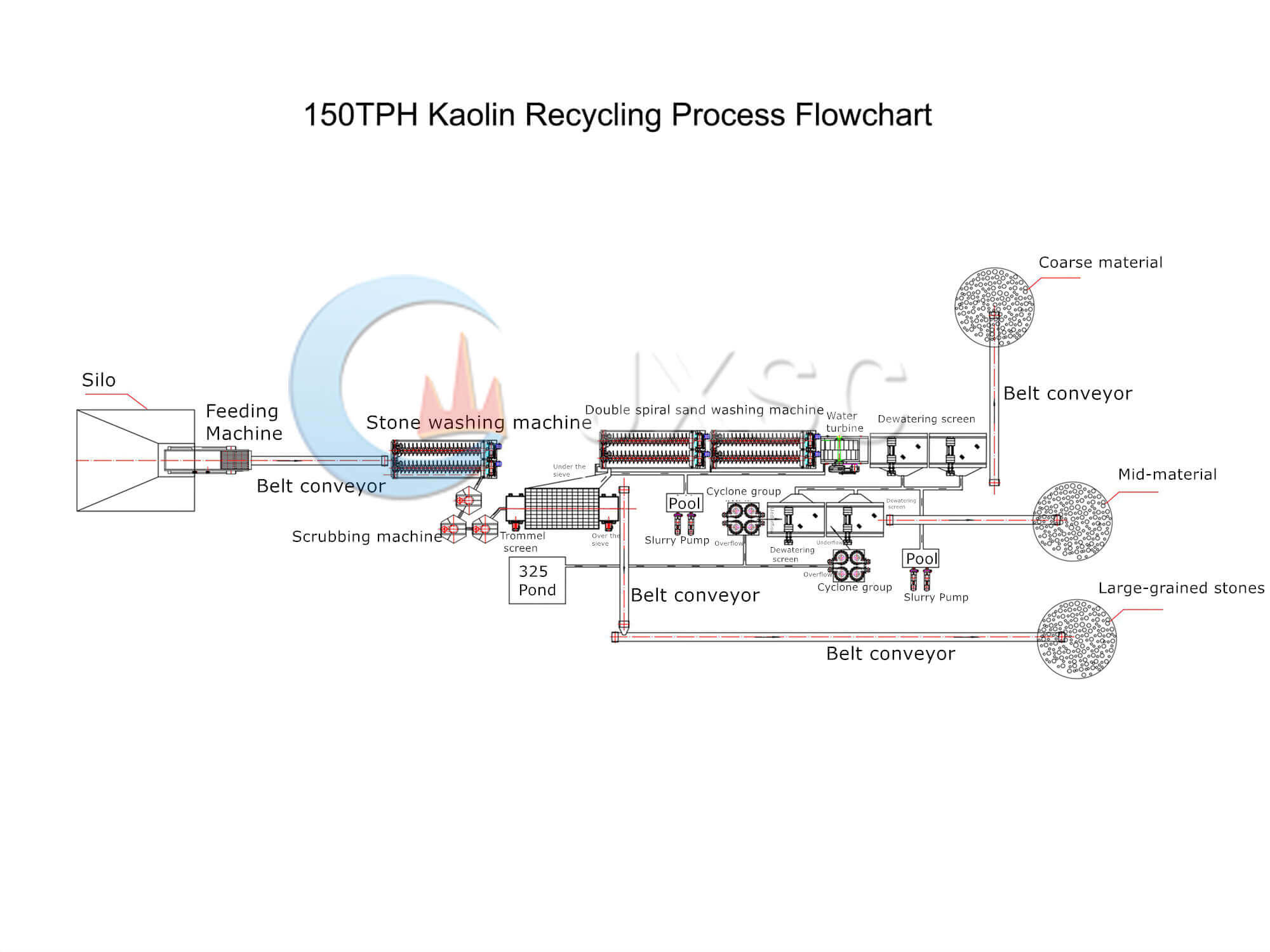
150TPH Recycling Process Overview (Flowchart Explained)
- Use a forklift or excavator to feed the raw materials to the hopper, and a feeder below the hopper will evenly feed the raw materials to the belt conveyor, and the belt conveyor will send the raw materials to the log washer. The function of the log washer is to disperse, stir, and clean the agglomerated kaolin clay.
- Enter the attrition scrubber for further cleaning. The function of the attrition scrubber is to better rub and fall off the sticky slime from the kaolin.
- After washing by the attrition scrubber, the material then enters the trommel screen to screen out big waste stones, which are sent to a far place by belt conveyor, and the material under the screen enters the double spiral sand washer.
- The overflow of the first stage of the double spiral sand washing machine is kaolin concentrate, the underflow goes to the second stage of the spiral sand washer for further washing, the overflow of the second stage is kaolin concentrate, and the underflow goes to the wheel sand washer.
- The overflow from the wheel sand washer is the concentrate, and the underflow goes to the dewatering screen.
- The under-screen materials of the first dewatering screen are the kaolin concentrate, the over-screen materials go to the second dewatering screen for further dehydration, over screen materials of the second dewatering screen are coarse particle waste. Use a belt conveyor to send away, and under the sieve is the concentrate.
Kaolin Concentrate under the screen of two dewatering screens into a 2# pond.
Kaolin Concentrate from the overflows of the two spiral sand washers and wheel sand washer is into 1# pool. - Use the slurry pump to send 1# pond concentrate into 1# cyclone group, and the overflow of the cyclone group is kaolin concentrate, underflow flows to the dewatering screen for dehydration. And under the screen of the dewatering screen is a concentrate which goes into the 2# pond. Over the screen, materials are medium particles of waste, which are transported away with a belt conveyor.
The under-screen concentrates of 4 dewatering screens are all in a 2# pond, and they are pumped to a 2# cyclone group with a slurry pump. The underflow of the 2# cyclone group goes to the dewatering screen, and the overflow is kaolin concentrate. - Finally, the overflow of the two cyclone groups (kaolin concentrate) will flow to the 325 concentrate pool.
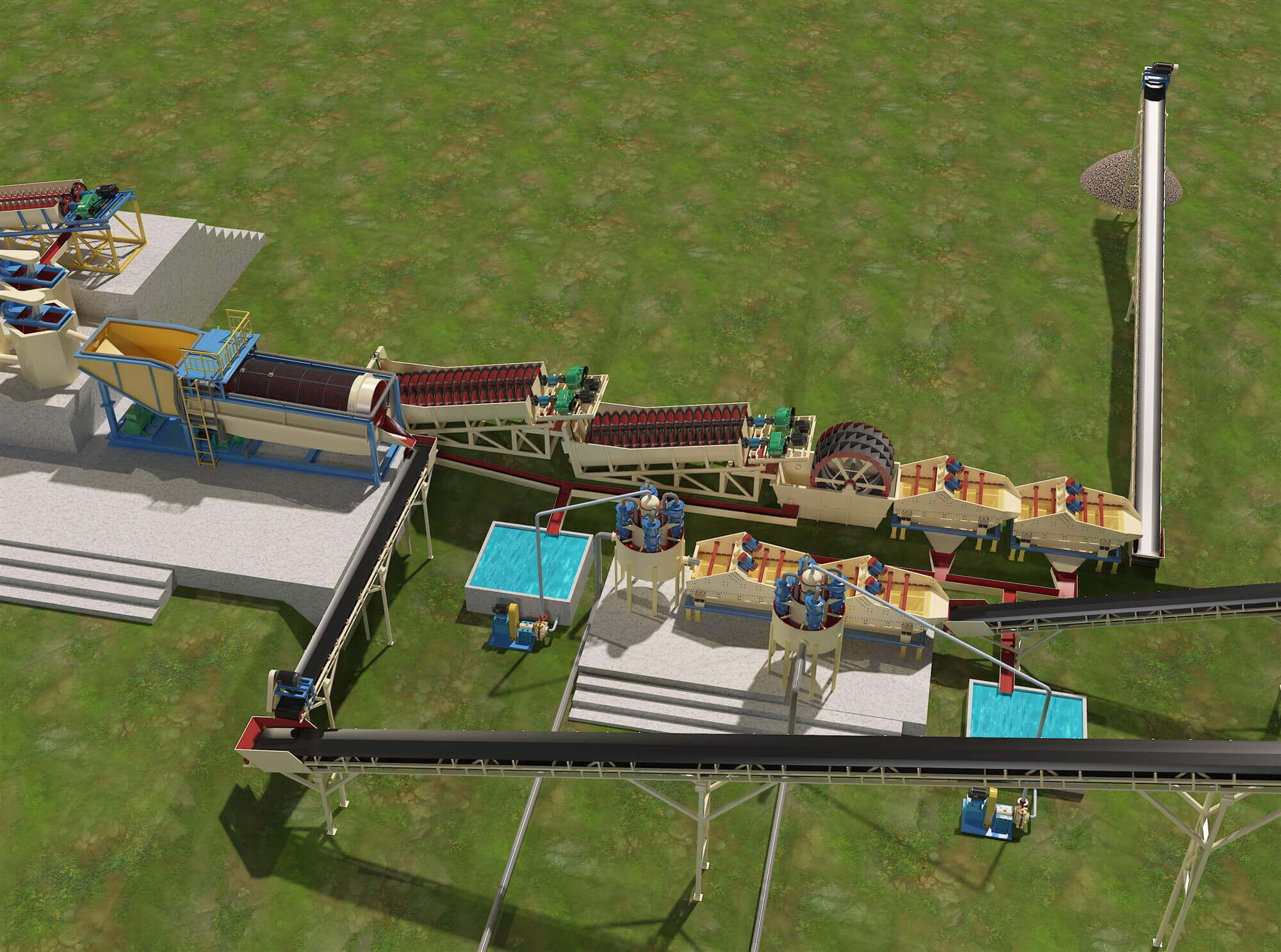
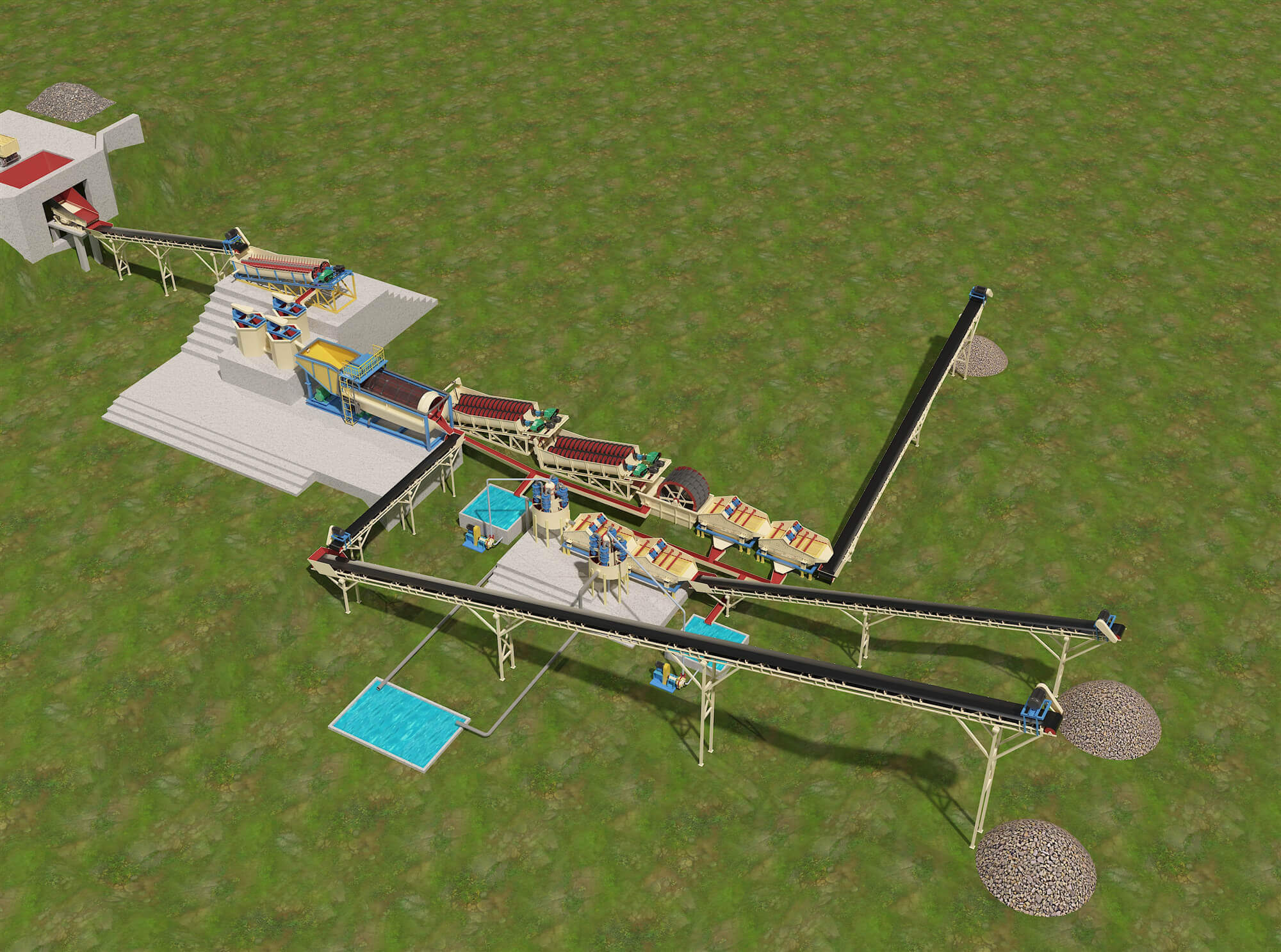
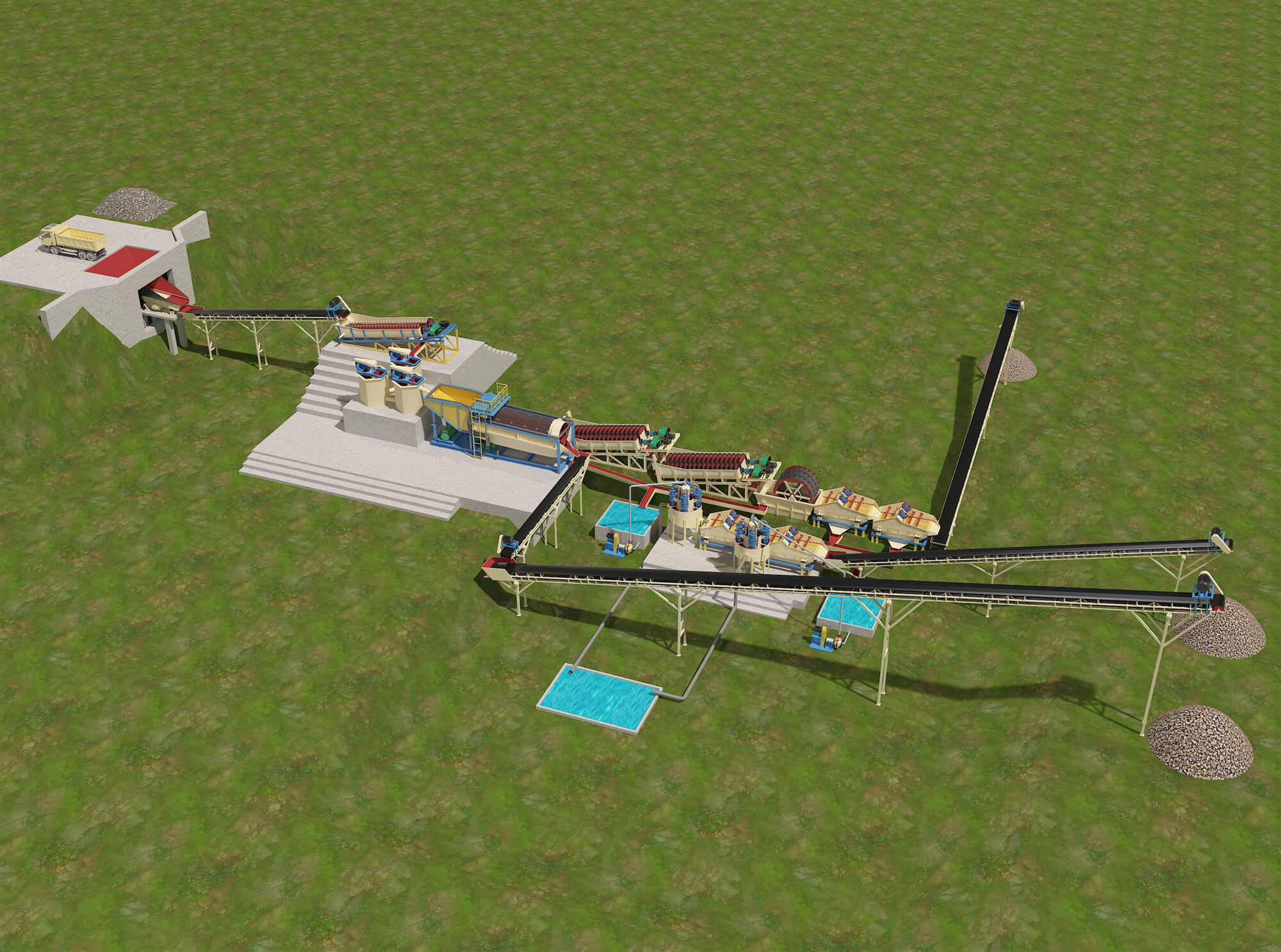
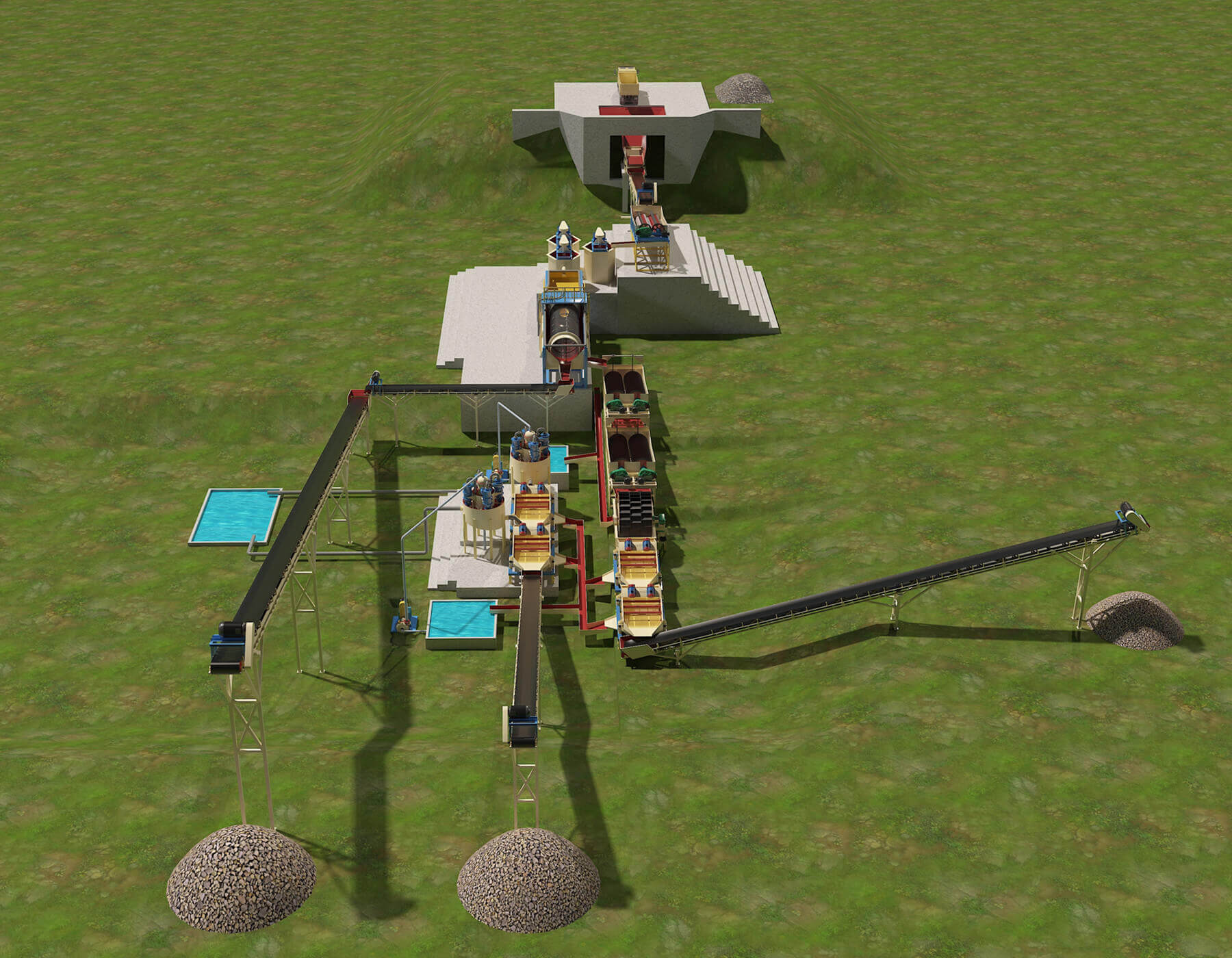
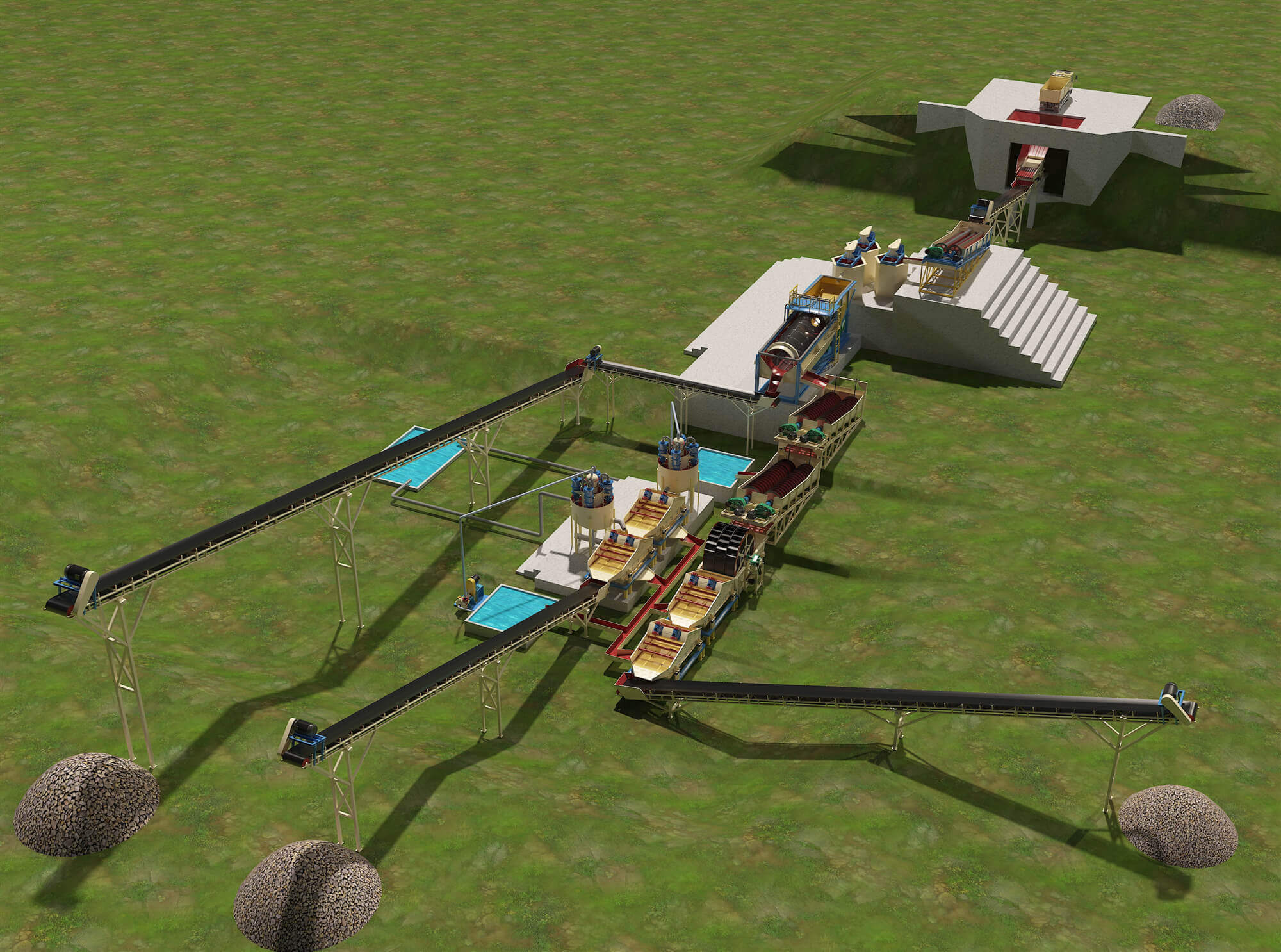
Kaolin Recycling Process Plant Layout
 |
 |
 |
||
 |
 |
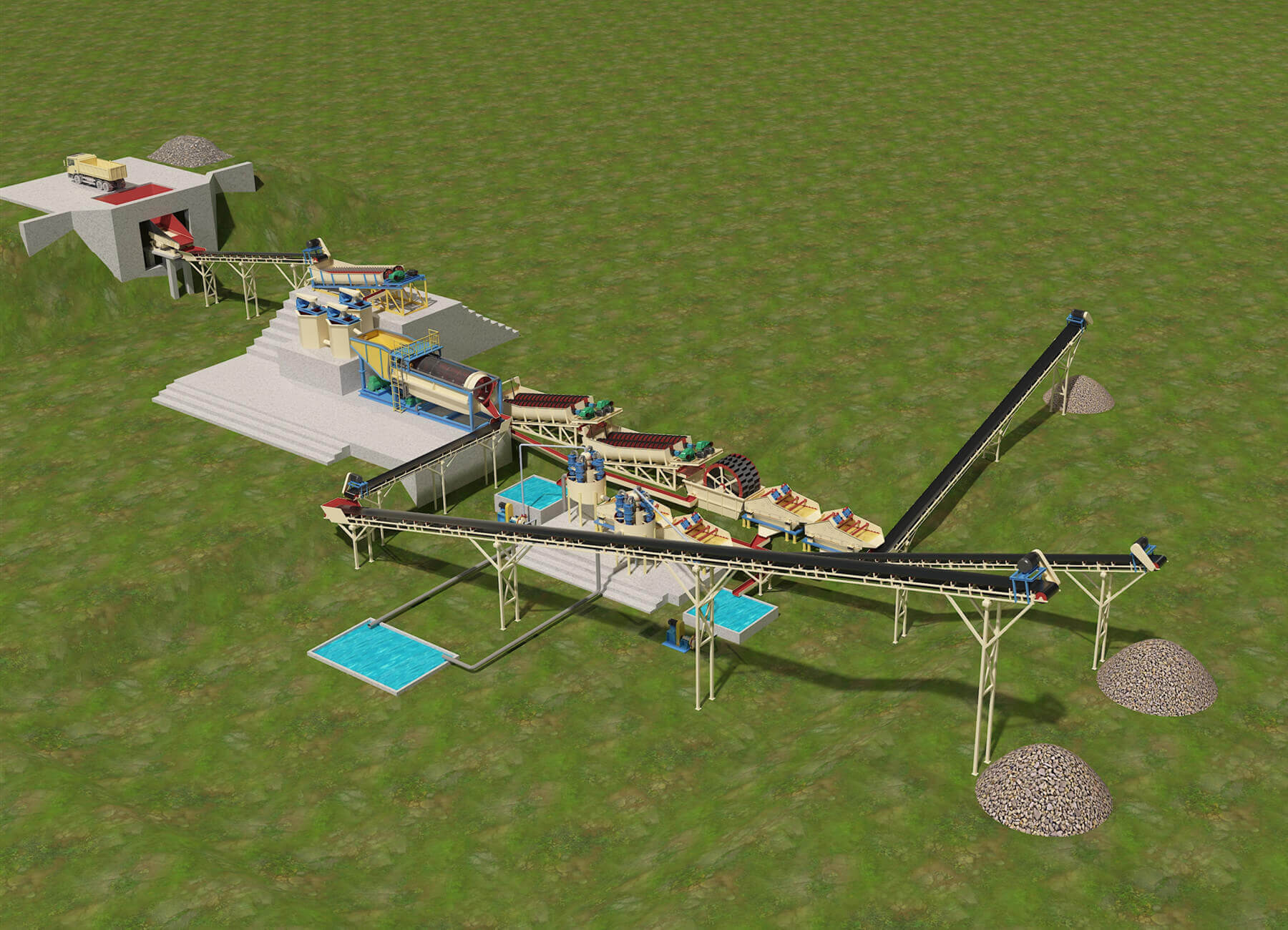 |
Plant Layout Features
Our optimized layout ensures:
- Efficient material flow
- Minimal cross-contamination
- Compact footprint
- Easy maintenance access
Key Equipment in the Recycling System
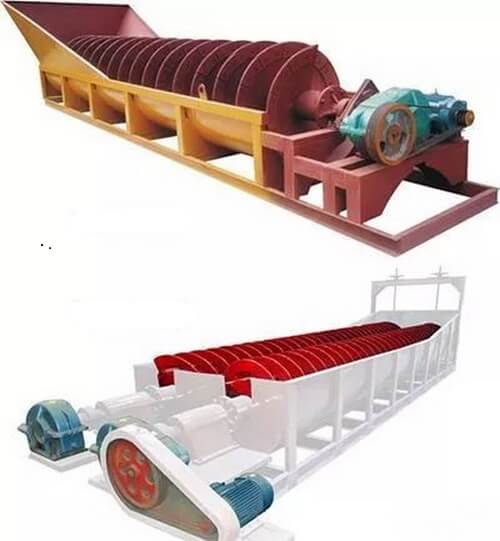 Spiral Sand Washer Spiral Sand Washer |
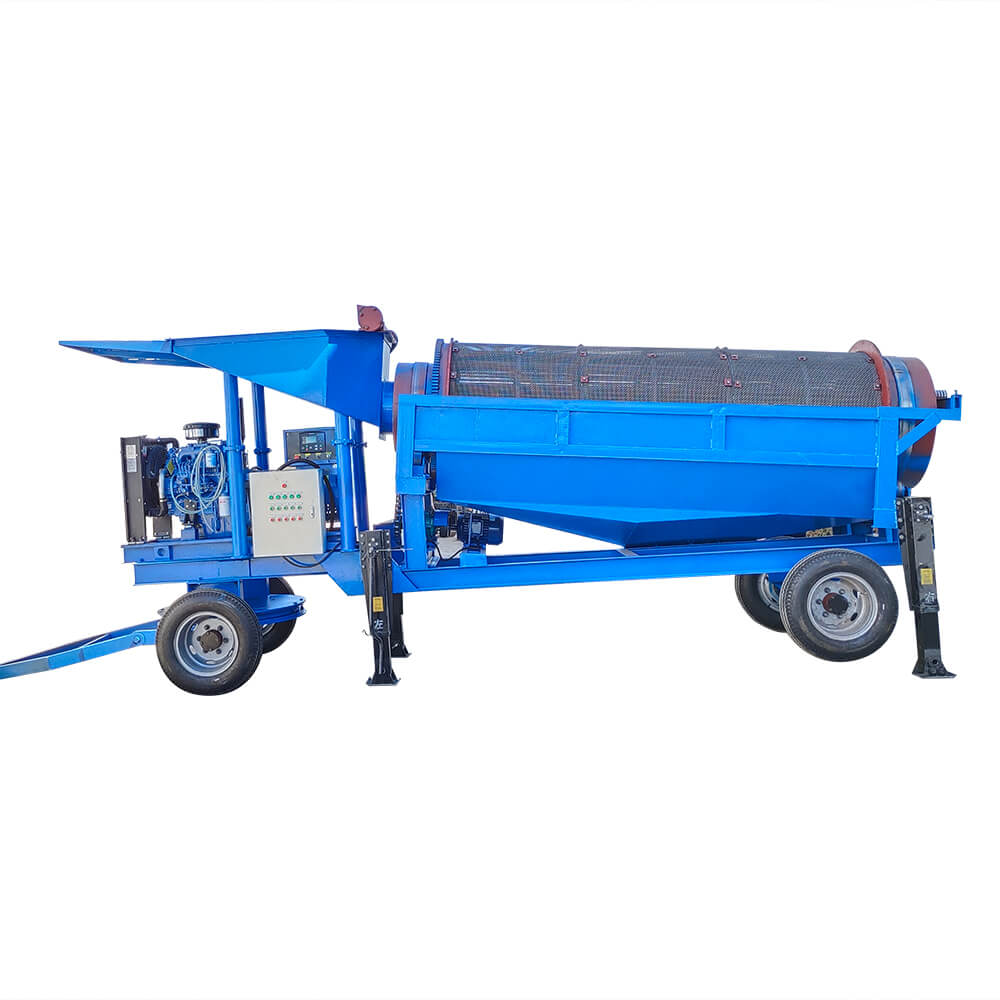 Trommel Screen Trommel Screen |
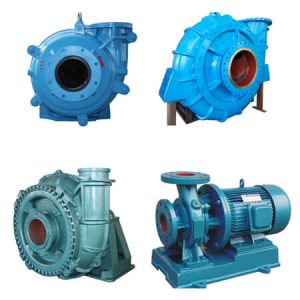 Slurry Pumps Slurry Pumps |
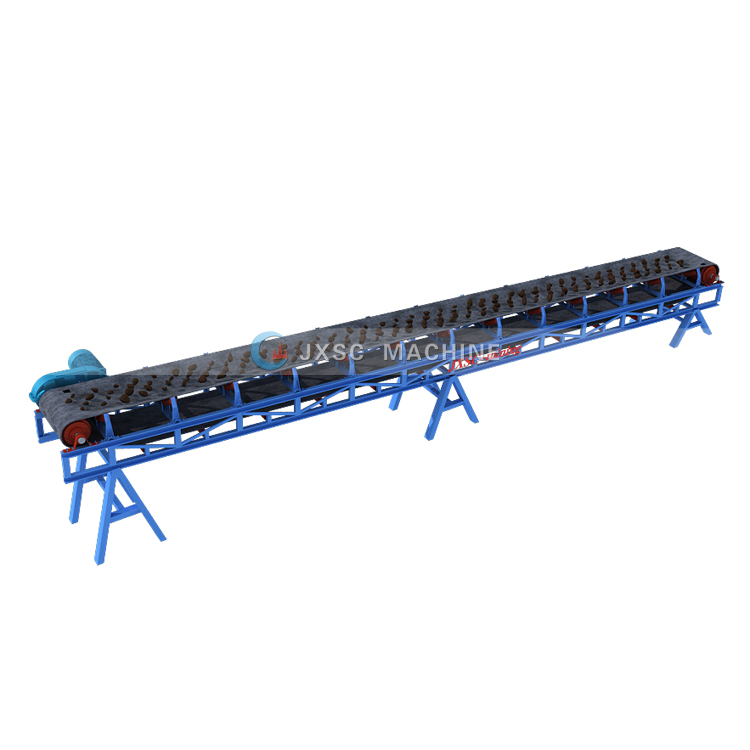 Conveyor Belt Conveyor Belt |
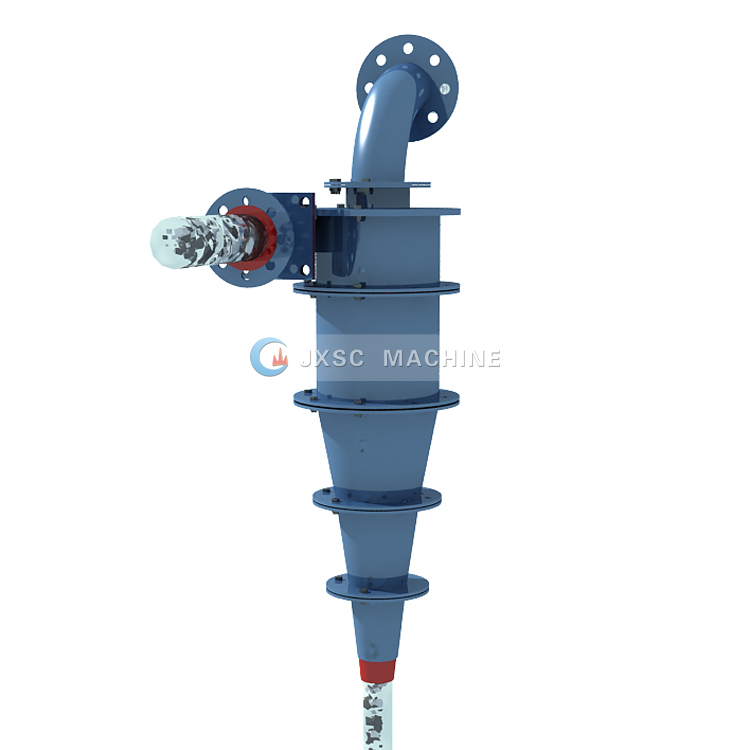 Hydrocyclone Hydrocyclone |
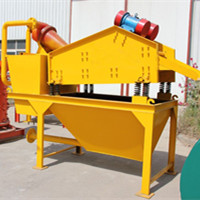
Dewater Screen |
This complete 150TPH solution maximizes kaolin recovery while addressing environmental responsibilities through comprehensive tailings processing. The multi-stage system ensures high-quality output suitable for industrial applications while minimizing waste.
LATEST PRODUCTS
-

Inclined Vibrating Screen
The inclined vibrating screen is a simple and eff…
-
High Temperature & Pressure Gold Desorption Electrolysis System
High-Temperature & Pressure Gold Desorption Elect…
-
Normal Temperature & Pressure Gold Desorption Electrolysis System
The normal temperature & pressure gold desorption…


LATEST NEWS
- Shaking Table, 3-Disc Dry Magnetic & Electrostatic Separator for W-Sn-Ta-Nb
- Mineral Analysis: The Foundation for Successful Mineral Processing Projects
- What Is Over-Grinding and How Can It Be Prevented?
- Fluorspar vs Graphite vs Quartz: Non-Metal Minerals Beneficiation Differences
- Tailings Dam Safety: 5 Critical Parameters to Monitor
 English
  French
  Spanish
  Portuguese
  Indonesian