newbg

Diamond Ore Mining Equipment

Published time:14 June 2018

Introduction

The global diamond mining industry relies on sophisticated processing systems to recover these precious gems from low-grade ore (often <1 carat/ton). This guide examines:

  • Geological formation of economic diamond deposits
  • Key equipment for alluvial & hard rock operations
  • Processing flowsheets from leading mines
  • Emerging recovery technologies

Key Fact: Over 75% of commercial diamonds require density-based separation due to particle sizes below 10mm.

Geology of Diamond Ore

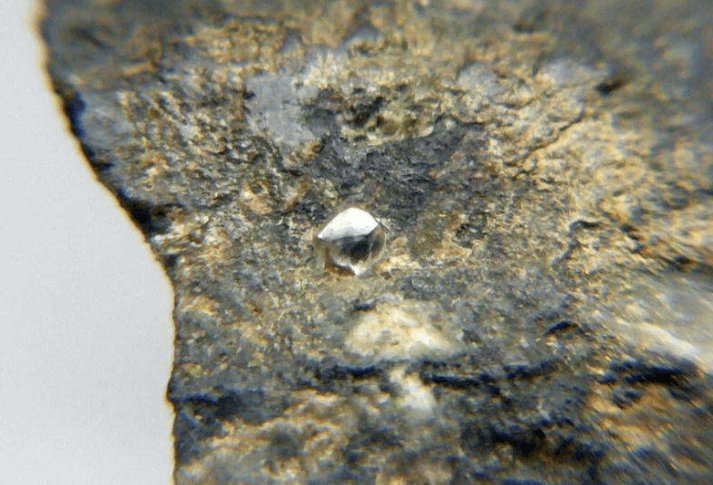
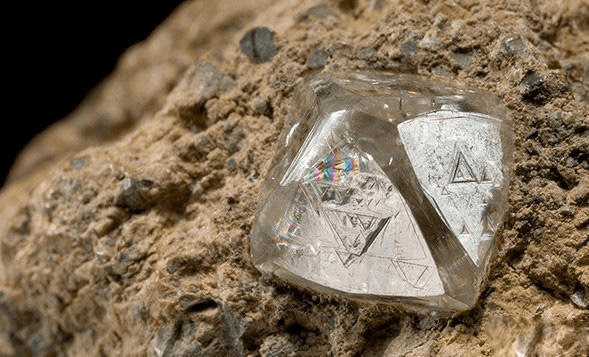
Diamonds ore are extremely rare, with concentrations of at most parts per billion in source rock. most diamonds were found in alluvial deposits. Loose diamonds are also found along existing and ancient shorelines, where they tend to accumulate because of their size and density.

Rarely, they have been found in glacial till (notably in Wisconsin and Indiana), but these deposits are not of commercial quality. These types of deposit were derived from localized igneous intrusions through weathering and transport by wind or water.

Most diamonds come from the Earth’s mantle, and most of this section discusses those diamonds. However, there are other sources. Some blocks of the crust, or terranes, have been buried deep enough as the crust thickened so they experienced ultra-high-pressure metamorphism. These have evenly distributed microdiamonds that show no sign of transport by magma.  

A common misconception is that diamonds are formed from highly compressed coal. most diamonds that have been dated are far older than the first land plants. It is possible that diamonds can form from coal in subduction zones, but diamonds formed in this way are rare, and the carbon source is more likely carbonate rocks and organic carbon in sediments, rather than coal.

World’s Top 10 Biggest Diamond Mines

The 10 largest diamond mines in the world by measurable reserves contain more than one billion carats of recoverable diamonds. Russia has almost half of the world’s biggest diamond mines, while Botswana has two mines, including the world’s largest diamond-producing mine, Orapa. Details as below:

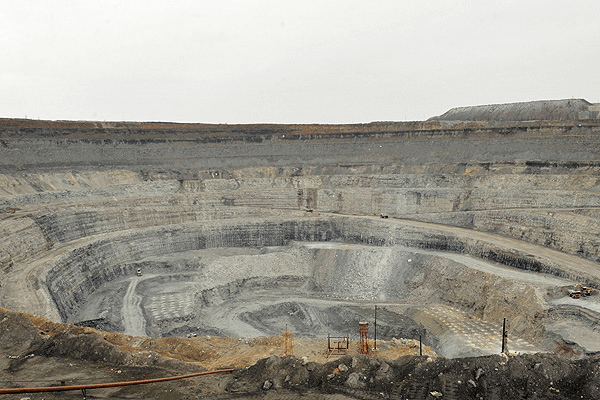
  • Jubilee, also known as the Yubileyny diamond mine, located in Sakha (Yakutia), Republic of Russia, is the biggest diamond mine in the world.
  • The Udachny diamond mine, also located in the Yakutia region of Russia, ranks as the world’s second-largest diamond mine by reserve size.
  • Mir or Mirny, another diamond mine in the Yakutia region of Russia, is the third biggest diamond mine in the world.
  • Argyle diamond mine, located in the Kimberley region of Western Australia, ranks as the world’s biggest diamond mine if JORC reserves alone are taken into account.
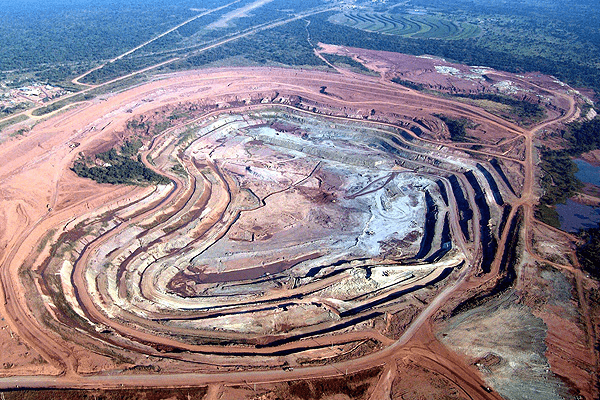
  • Catoca diamond mine in Angola ranks as the fifth biggest diamond mine in the world.
  • Venetia diamond mine, located 80km from Musina in Limpopo Province of South Africa, ranks as the world’s sixth largest diamond mine.
  • Grib diamond mine, which is yet to commence commercial production, is Russia’s fourth largest and the world’s seventh largest diamond mine.
  • Jwaneng diamond mine in the African country of Botswana ranks as the eighth biggest diamond mine in the world.
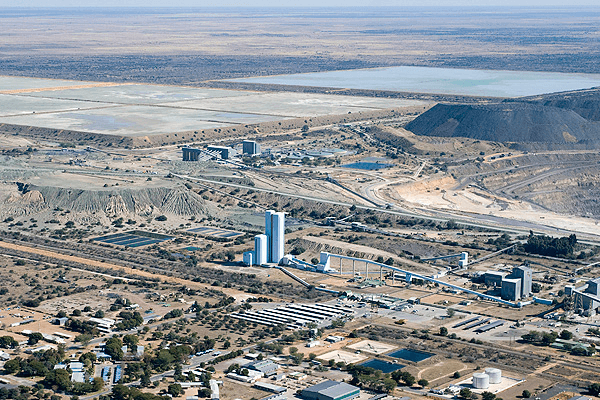
  • Orapa diamond mine, located 240km west of Francistown city in Central Botswana, is the ninth largest diamond mine in the world by reserve.
  • Botuobinskaya diamond mine, due to commence production in 2015, is located in the Nakyn kimberlite field, around 200km north-west of Nyurba in the Yakutia region of Russia.

Other countries that produce diamonds include Congo (gold), Brazil, Guyana, Venezuela, Central Africa, Garner, Guinea, Ivory Coast, Liberia, Namibia, Sierra Leone, Tanzania, Zimbabwe, Indonesia, India, China, Canada, and so on.

mining-equipment
mining equipment1
mining equipment2
mining equipment3
mining equipment4
mining equipment5

How to Wash and Separate Out Diamond With Diamond Ore Mining Equipment?

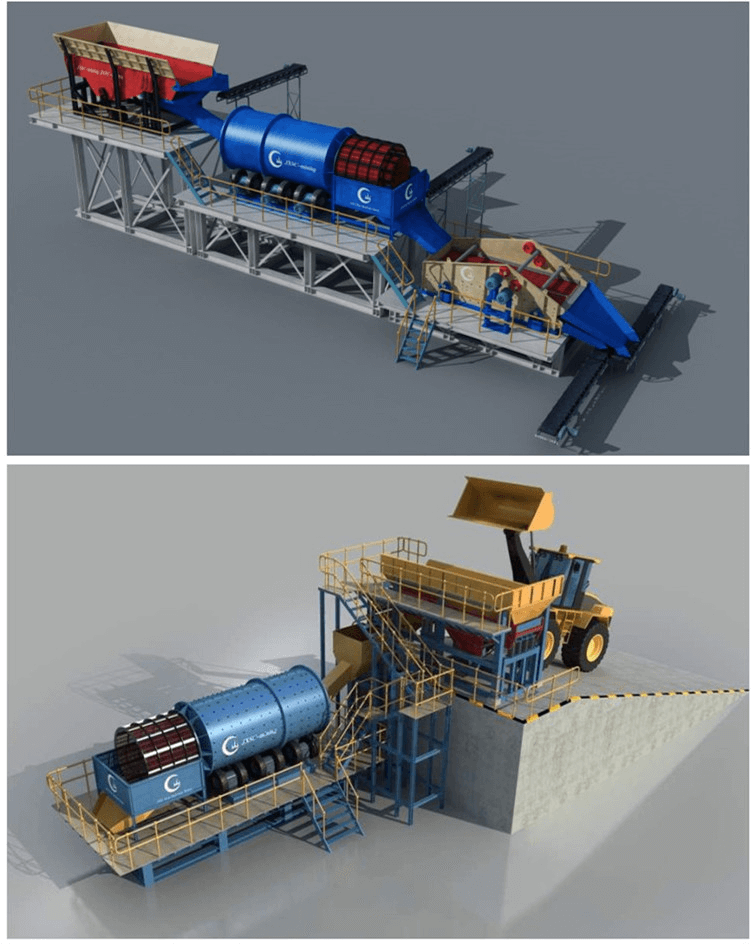
The diamond raw material mostly exists as alluvial type, sand, stone, gravel, sticky clay, etc. Need to use various kinds of diamond ore mining equipment to extract diamond. So firstly, will need to washing clean the material with diamond washing trommel scrubber, wash clean the sticky clay, remove some big stone by grizzly bar when feeding material, and sieving out needed size particles by high frequency vibration screen, this is according to the diamond ore sizes, for example, there has diamond size range 2-15mm, then screen mesh size can make 2 mm and 15 mm. After sieving out needed sizes, you can use the heavy media concentrator to concentrate diamond ore, such as a diamond jig separator, shaking table, etc., or use an X-ray machine to select out diamond. Those are all useful diamond ore mining equipment.

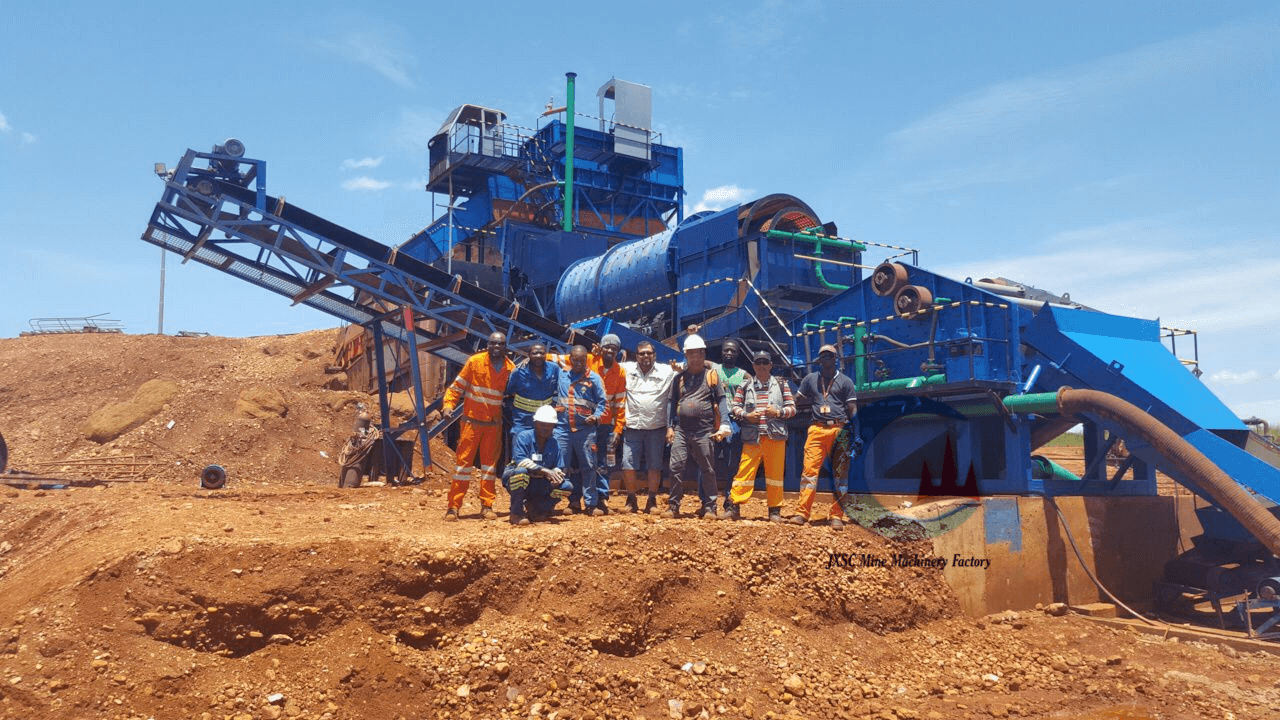
JXSC Mine Machinery Company in China has more than 40 years of professional experience in diamond ore mining equipment, can design a full set of diamond washing plant flowchart, provide a complete set of diamond mining equipment, and send an engineer to the diamond mine site for diamond mining equipment installation and commissioning guidance. Have already built many diamond washing plants in Angola, South Africa, Russia, Brazil, Botswana, etc.

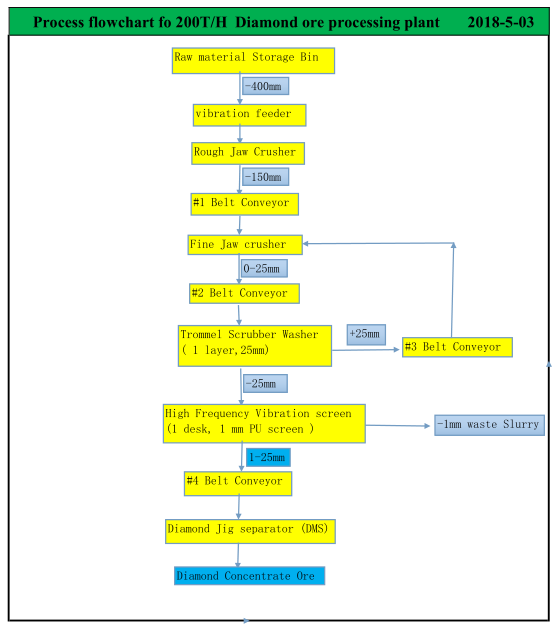
Below are some diamond washing plant flowchart descriptions that JXSC Engineers recommend for a diamond processing plant:

mining equipment6
mining equipment8

How to Extract Diamond by Diamond Ore Mining Equipment?

For Alluvial Diamond

Feeding->washing->primary sieving->2nd stage sieving out needed size particles->heavy media concentrator to concentrate diamond ore->X-ray to select diamond 

For Rock Diamond

Feeding->primary crushing->2nd crushing->washing-> sieving out needed size->heavy media concentrator to concentrate diamond ore->X-ray to select diamond

Primary Diamond Processing

Feeding

Diamond ore feeding machine can be a vibration feeder, feeding hopper, electromagnetic vibration feeder, belt feeder, wheel loader, or excavator feed directly. Depends on process capacity and raw material conditions to choose which feeding machine for diamond ore mining. The vibration feeder can be made with a grizzly bar to remove some big stones when feeding.

Washing

The diamond washing machine is for washing clean the clay and mud in diamond raw material, the most popular diamond ore washing machine is the diamond washing trommel scrubber. The diamond drum scrubber washer has an especially good washing effect for diamond ore, and can wash the sticky clay very clean.

Primary Sieving

After washing the clay clean with a diamond washing trommel scrubber, we need to remove some big waste stones; the under screen materail will go to the next machine. This diamond ore mining equipment can use a normal trommel screen or a diamond ore high-frequency vibration screen. Over-screen particles will be transferred away by a belt conveyor.

2nd Stage Sieving

After primary sieving, need 2nd stage sieving again to screen out needed size particles, usually use a high frequency vibration screen, screen size according to diamond concentrate size.Over-screen particles will be transferred away by belt conveyor, under screen partciles will go to the heavy medium concentrator machine to select diamond.

Heavy Medium Concentrator to Concentrate Diamond Ore

The diamond mining equipment heavy medium concentrator can be a diamond jig separator or a shaking table, depending on the diamond concentrate size.

X-ray to Select Diamond

The concentrate ore discharged from the heavy medium concentrator machine can use X-ray machine to select diamond concentrate.

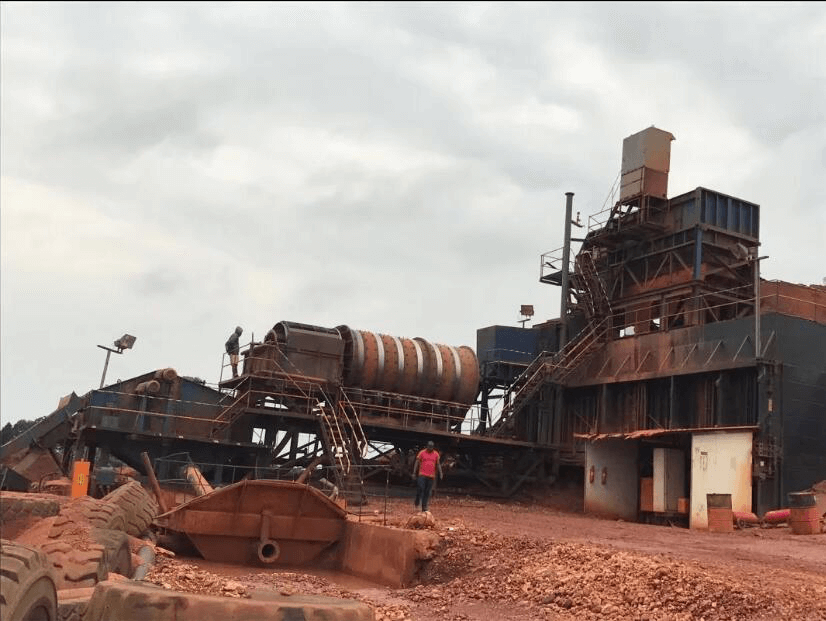
Below are some pictures of diamond washing plant diamond ore mining equipment project cases JXSC provides to customers:

mining equipment9
mining equipment11

Conclusion

This guide has explored the complete diamond mining process from geological formation to final recovery. With diamond concentrations measured in parts per billion and most deposits requiring density separation for particles under 10mm, specialized equipment like trommel scrubbers, jig separators, and X-ray sorters is essential for profitable operations. Whether processing alluvial deposits or hard rock sources, proper washing, sieving, and concentration processes can significantly improve recovery rates. For operations seeking optimized diamond recovery solutions, consulting with experienced equipment providers like JXSC with 40+ years of field expertise can help design efficient processing plants tailored to specific ore characteristics and production targets.

    Contact Us Now

    Privacy Overview
    logo

    This website uses cookies so that we can provide you with the best user experience possible. Cookie information is stored in your browser and performs functions such as recognising you when you return to our website and helping our team to understand which sections of the website you find most interesting and useful.

    Strictly Necessary Cookies

    Strictly Necessary Cookie should be enabled at all times so that we can save your preferences for cookie settings.

    3rd Party Cookies

    This website uses Google Analytics to collect anonymous information such as the number of visitors to the site, and the most popular pages.

    Keeping this cookie enabled helps us to improve our website.